
Okay....Alright, let’s not overcomplicate this.
You’ve probably applied for something online job, scholarship, whatever and had to upload your documents. Degree. Certificates. Maybe even your ID. And then what happens?
Nothing. You wait. Someone “verifies” it. Maybe they do, maybe they don’t. Maybe they email your university. Maybe your application just sits there.
It’s slow. It’s clunky. And honestly, it feels outdated.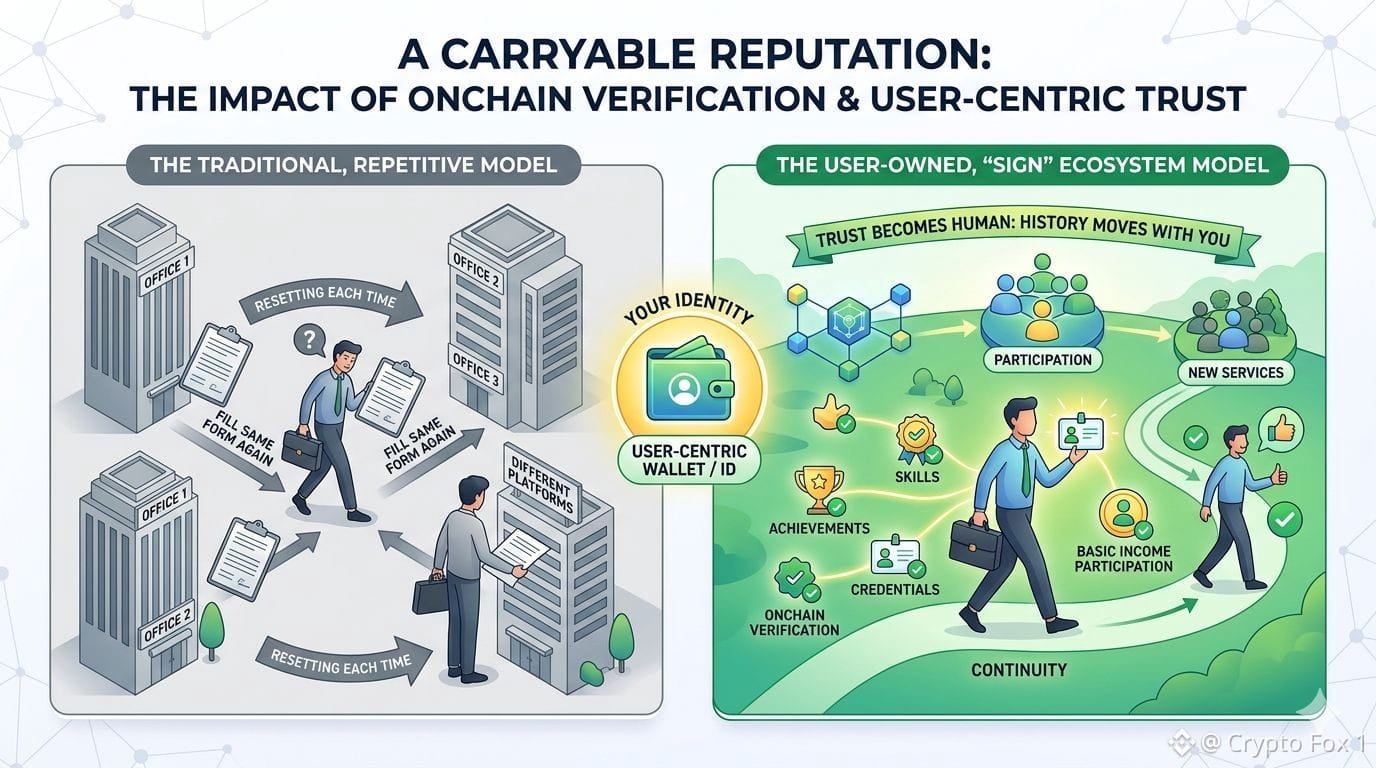
Now imagine a system jahan yeh sab instantly ho jaye. No waiting, no chasing emails, no uncertainty. You submit once—and verification ho jati hai within seconds. Yeh sirf convenience nahi hai, yeh ek fundamental shift hai.
Yahin par Sign Protocol apna role play karta hai. Iska core idea simple hai: trust ko automate kar do. Instead of relying on institutions manually confirming everything, system khud verification handle kare—cryptography ke through.
Aaj ka internet fast hai, lekin trust system abhi bhi slow hai. Har organization apna data alag rakhti hai. Jab bhi aapko kuch prove karna hota hai, process reset ho jata hai. Yeh repetition sirf inefficient nahi, frustrating bhi hai.
Sign Protocol is problem ko solve karne ke liye decentralized identity ka concept use karta hai. Aapki identity kisi server ya institution ke paas nahi hoti—wo aapke control mein hoti hai. Aapke credentials—degree, experience, certifications—digital proofs ban jate hain jo tamper-proof hote hain.
Iska dusra powerful angle hai tokenization. Aur yahan “token” sirf paisa nahi hota. Yeh access ho sakta hai, rewards ho sakte hain, memberships ho sakti hain. Matlab, aapka verified status directly unlock kar sakta hai opportunities—automatically.
Real-world impact samajhna ho to freelancers ka example best hai. Pakistan jese countries mein talent ki kami nahi hai, lekin trust barrier bohat bada hai. Clients ko proof chahiye hota hai, aur platforms middleman ban kar heavy commissions lete hain.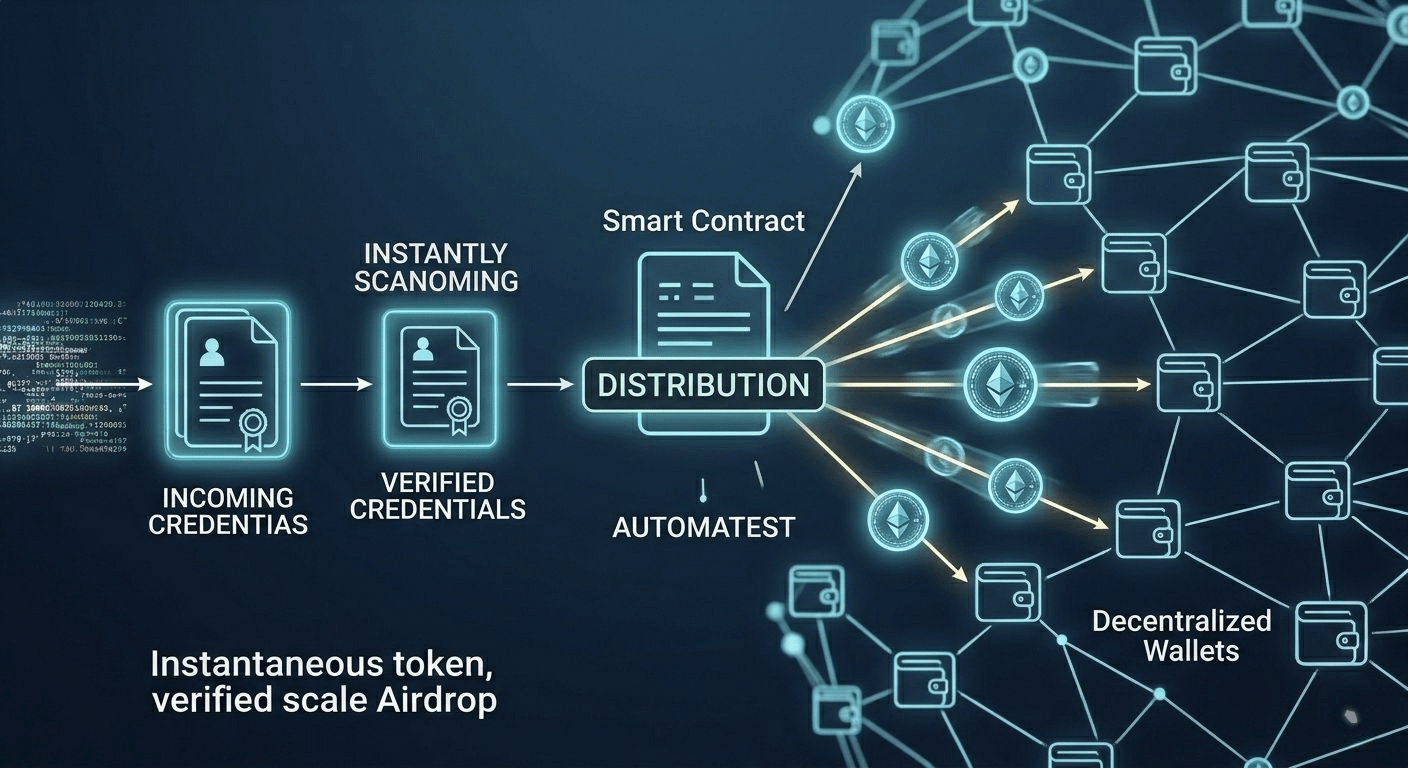
Agar verification global aur instant ho jaye, to freelancer ka reputation uske sath travel karega—platform ke sath nahi. Yeh sirf efficiency nahi, power redistribution hai.
Lekin challenges bhi clear hain. Privacy sab se bada concern hai. Har cheez verify karna easy ho jaye, lekin oversharing ka risk bhi badh jata hai. Isi liye zero-knowledge proofs jese solutions develop ho rahe hain—jahan aap proof dete ho bina full data reveal kiye.
Regulation bhi ek factor hai. Different countries alag pace se move kar rahi hain. Kuch governments adopt kar rahi hain digital identity systems, jab ke kuch abhi cautious hain. Yeh mismatch adoption ko slow kar sakta hai.
Phir accessibility ka issue hai. Har user tech-savvy nahi hota. Digital wallets, private keys—yeh sab aam user ke liye complex lag sakta hai. Agar usability improve nahi hui, to yeh system sirf limited audience tak reh jayega.
Badi picture mein dekhein to ek deeper shift ho raha hai: trust institutions se systems ki taraf move kar raha hai. Pehle aap government ya university par depend karte thay. Ab idea yeh hai ke system khud reliable ho sakta hai.
Kuch log is change ko embrace kar rahe hain, kuch hesitant hain. Aur honestly, dono sides valid hain.
Future uncertain hai. Yeh infrastructure invisible ban sakta hai—roz use hone wala bina notice kiye. Ya phir adoption hurdles ki wajah se slow ho sakta hai.
Lekin ek baat clear hai: yeh sirf technology ka evolution nahi hai. Yeh control ka shift hai.
Aapki identity kis ke paas hai? Aapki achievements ko kaun verify karta hai? Aur aapki credibility ka decision kaun leta hai?
Agar jawab “aap khud” ban jaye… to system fundamentally change ho jata hai.
Aur shayad yeh hi wo point hai jahan se real transformation start hota hai.
#SignDigitalSovereignInfra @SignOfficial $SIGN
