

Web3 didn’t remove trust.
It made trust reset every time you move.
That’s the contradiction most people ignore. We assumed transparency would solve the trust problem, but what it actually did was make everything visible without making anything reusable. Every transaction is onchain, every wallet is traceable, and every interaction leaves a record, yet none of that translates into trust that carries forward.
You can inspect a wallet in detail, but you cannot reuse what you learn from it. Each protocol interprets that data differently, applies its own assumptions, and ultimately treats the same user as if they are being evaluated for the first time. What emerges is not a system where trust compounds, but one where it continuously resets.
Web3 doesn’t lack data, it lacks memory.
That is the structural gap.
Transactions tell us that something happened, but they do not tell us what that action means in a way that other systems can reliably use. The burden of interpretation falls on every protocol individually, which leads to fragmented logic and inconsistent decisions. Trust becomes local, temporary, and non-transferable.
This limitation quietly shapes the entire ecosystem. Lending protocols default to overcollateralization not by design, but out of necessity. Sybil resistance becomes an endless filtering problem rather than a verifiable one. Reputation exists, but only in isolated pockets, never as a portable layer that follows the user.
Trust in Web3 doesn’t compound, it restarts.
And as long as that remains true, efficiency will always have a ceiling.
The issue is not visibility, it is the absence of structured meaning. Raw data is abundant, but without a shared way to interpret and verify it, every system is forced to rebuild trust from scratch. Transparency exposes information, but it does not standardize how that information should be understood.
This is where Sign introduces a different model by shifting the focus from transactions to attestations.
A transaction is a record of an event. An attestation is a verifiable claim about that event, enriched with context that defines what it represents. Instead of simply knowing that something happened, systems can verify what that action means.
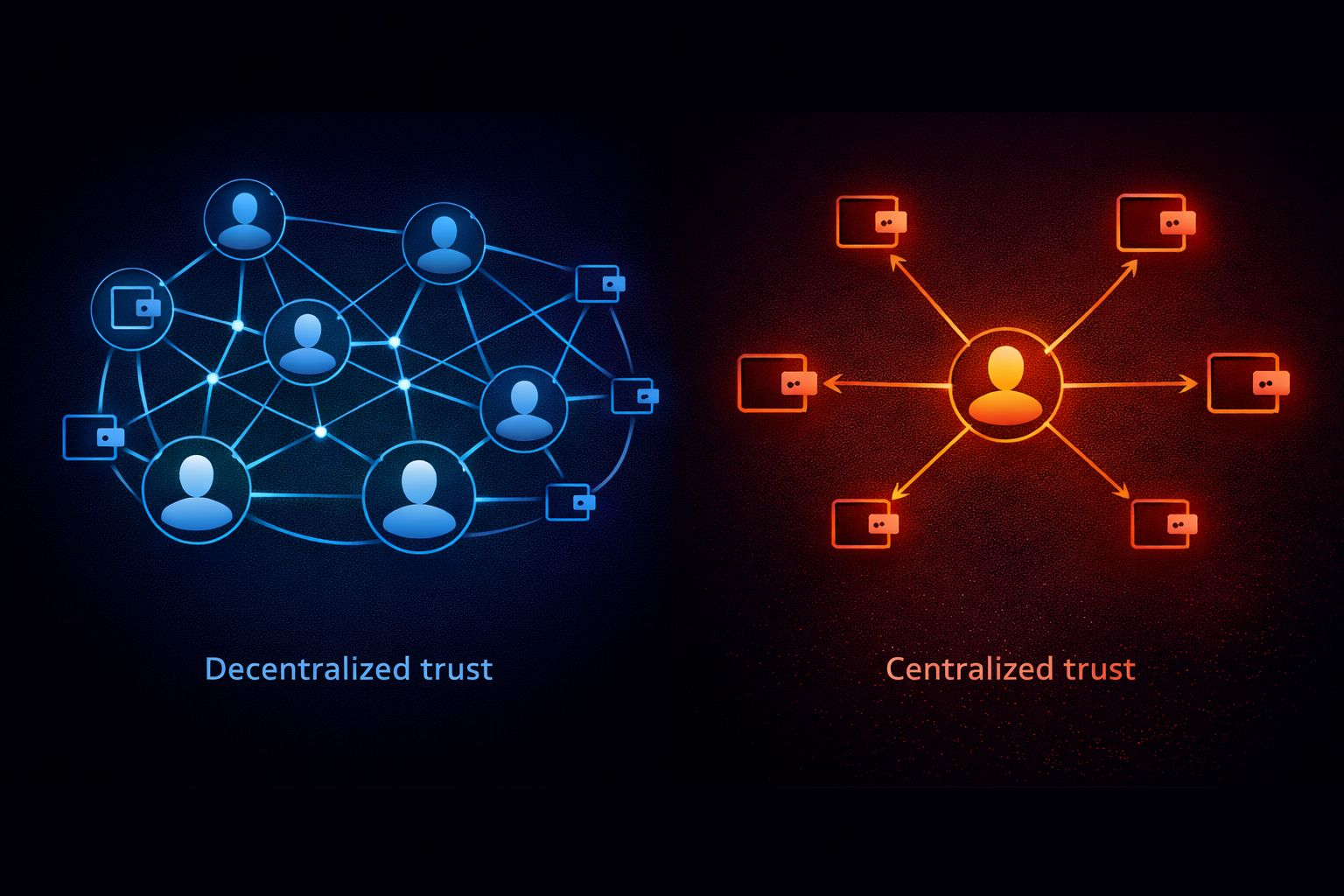
$SIGN turns activity into proof.
That shift is what allows behavior to become reusable. Once actions are expressed as attestations, they can move across protocols with their meaning intact. Trust stops being reconstructed in isolation and starts accumulating over time.
This also changes how systems make decisions. Instead of relying on weak proxies like wallet age, balances, or activity patterns, they can rely on verifiable claims. Proxies approximate trust. Attestations prove it.
There is another layer where this becomes even more important: privacy.
Right now, Web3 forces a tradeoff. To prove credibility, users often have to expose large parts of their history. If they choose not to, they lose access or are treated as unknown. There is no efficient middle ground between full transparency and complete opacity.
Attestations introduce that middle ground through selective verifiability. A user can prove a specific claim without revealing the entire dataset behind it.
Not everything needs to be seen for something to be trusted.
This is a fundamental shift. Systems no longer need full visibility, they only need reliable proof of what matters. That reduces unnecessary exposure while improving decision quality at the same time.
When viewed together, these ideas point to something larger than a single feature or protocol. What Sign is building starts to resemble an evidence layer for Web3, where actions are transformed into proofs that are verifiable, portable, and composable.
And this is where the positioning becomes clear:
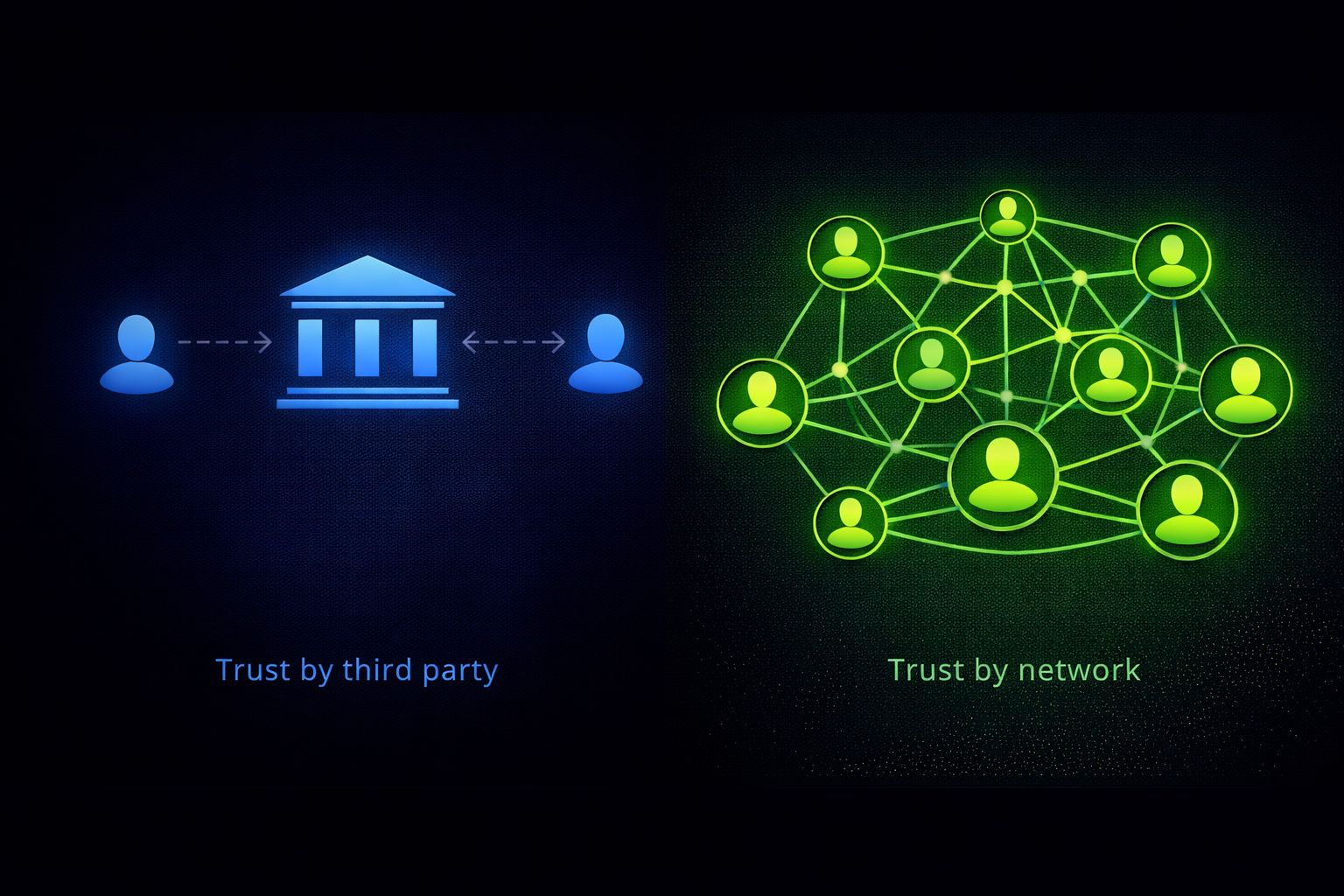
$SIGN is the layer where trust stops resetting and starts carrying forward.
That distinction matters more than it first appears. In a system where liquidity can be rented, volume can be inflated, and activity can be manufactured, verifiable proof becomes one of the few signals that retains integrity. It is harder to fake and easier to reuse.
If this model scales, the effects compound quickly. Lending becomes more precise because risk can be assessed with better signals. Access becomes more intelligent because systems can differentiate between users more accurately. Governance becomes more informed because participation can be evaluated with context, not just activity.
More importantly, systems stop defaulting to worst-case assumptions. They no longer need to treat every user as unknown.
That is the real shift.
From asking what can be observed, to relying on what can be proven.
Most of the market is still focused on surface-level metrics like liquidity, volume, and short-term narratives. But those are downstream signals. The deeper question has always been how trust is formed and whether it can persist across interactions.
Right now, it cannot.
With attestations, it starts to.
This is why Sign does not immediately look loud or dominant. It operates at a layer that is easy to overlook because it does not directly compete for attention. Instead, it changes how systems function underneath.
Infrastructure like this tends to feel invisible early on. But once adoption builds, it becomes difficult to replace because everything begins to depend on it.
Web3 has already proven that it can remove centralized control. The next step is ensuring that trust does not disappear in the process, but evolves into something that is verifiable, portable, and persistent.
Because until trust can move forward instead of resetting, every system will continue rebuilding from zero.
And that is not a scaling issue.
It is a foundation issue.
@SignOfficial #SignDigitalSovereignInfra $SIGN
