
Listen we’ve all been there: we’ve all been there: you build up an incredible reputation in one corner of the crypto world maybe you’re a god-tier liquidity provider or a governance legend and then you hop over to a new chain or a different dApp and nothing. You’re a “noob” again. It’s annoying it’s inefficient and frankly it’s a bit of a relic from the “fragmented” era of Web3.
Section 18 of the $SIGN playbook is basically the manifesto for why we don’t have to live like that anymore. Let’s talk about the Omni Chain Attestation Protocol OCAP. It’s not just a fancy name it’s the “passport” for your digital soul.
The “Trust Gap” is Real And it’s Killing UX
Right now trust is stuck in silos. If you have a credential on Chain A Chain B usually does not know it exists unless some janky centralized intermediary pinky promises that you’re legit. SIGN Looks at that and says “Nah let’s make trust a primitive.”
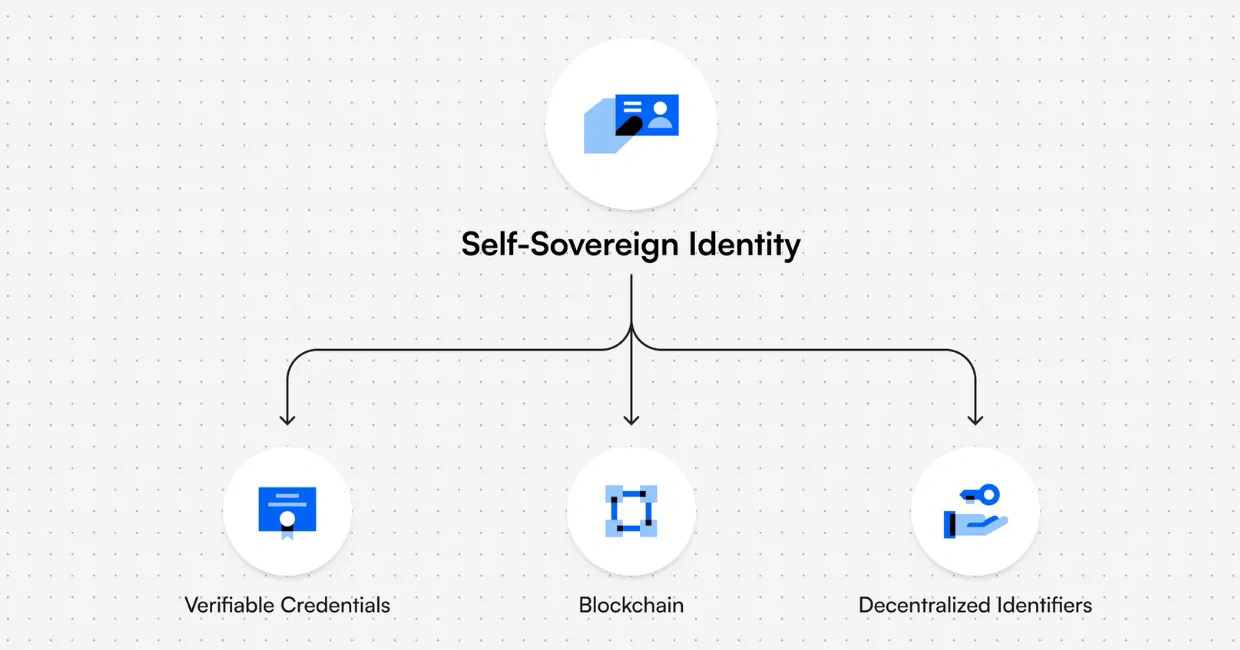
With OCAP your attestations are not just static PDFs or entries in a lonely database. They are living cryptographic objects. They do not get “reinterpreted” when you move they stay exactly what they are. It’s the difference between having to get a new driver’s license every time you cross a state line versus having a universal biometric ID that just works everywhere.
How the Magic Happens The Lifecycle
I’ll spare you the 500 page manual but the flow is actually pretty slick:
1. The Birth: You do something cool. SIGN captures that event and wraps it in a cryptographic bow. This is your “Attestation.”
2. The Broadcast: $SIGN’s omni chain layer screams this info across the entire network. No external relays no middleman taking a cut or slowing things down.
3. The Validation: Validators who have their own SIGN Tomens at stake so they have “skin in the game” check the math. If you’re trying to fake a credential they lose money. Incentives baby.
4. The Anchor: Once it hits finality it’s etched in stone. It’s immutable. It’s yours.
The Privacy Flex Zero Knowledge
Here’s my favorite part ZK Attestations. Imagine you need to prove you have 10k in your wallet to join a DAO but you do not want the whole world seeing your actual balance. SIGN let’s you prove the truth of the statement without revealing the data. It’s having your cake and eating it too.
Why This Actually Matters A Story
Imagine “DeFi Dani.” Dani has been a model borrower on a SIGN integrated lending platform for two years. She never misses a payment. In the old world if she wants to use a new NFT collateralized lending protocol on a different subnet she starts with the highest interest rate because she is an unknown risk.
With OCAP Dani’s “Good Borrower” attestation follows her. The new protocol sees her $SIGN verified history instantly. She gets the “Gold Member” rate on Day 1. No paperwork no waiting just pure portable reputation.
The SIGN Edge :-
Why is this better than the dozen other “identity” projects?
• Zero Intermediaries: If you’re relying on a bridge or a third party oracle to move trust you are just adding a point of failure. SIGN builds this into the protocol’s DNA.
• Gas Efficiency: They use signature aggregation. Basically they batch the trust so you are not paying a fortune in gas just to prove you are not a bot.
• Instant Finality: In the time it takes you to refresh a page your reputation has propagated.
The Verdict
The Omni Chain Attestation Protocol is basically $SIGN saying: “Stop starting over.” It turns your on chain behavior into a persistent universal asset. It’s not just about security it’s about freedom the freedom to move through the ecosystem without having to prove who you are every five minutes.
Would you like me to dive deeper into how the Staking backed Consensus specifically punishes the bad actors or should we look at some more ZK use cases
