
Gas fees aren’t killing your system.
Scaling won’t save it either.
And yeah, UI matters but it’s not the problem. People love pretending it is because it’s easy to point at. Easy to fix on paper.
Honestly, that’s surface-level stuff.
The real mess? Coordination.
Always has been.
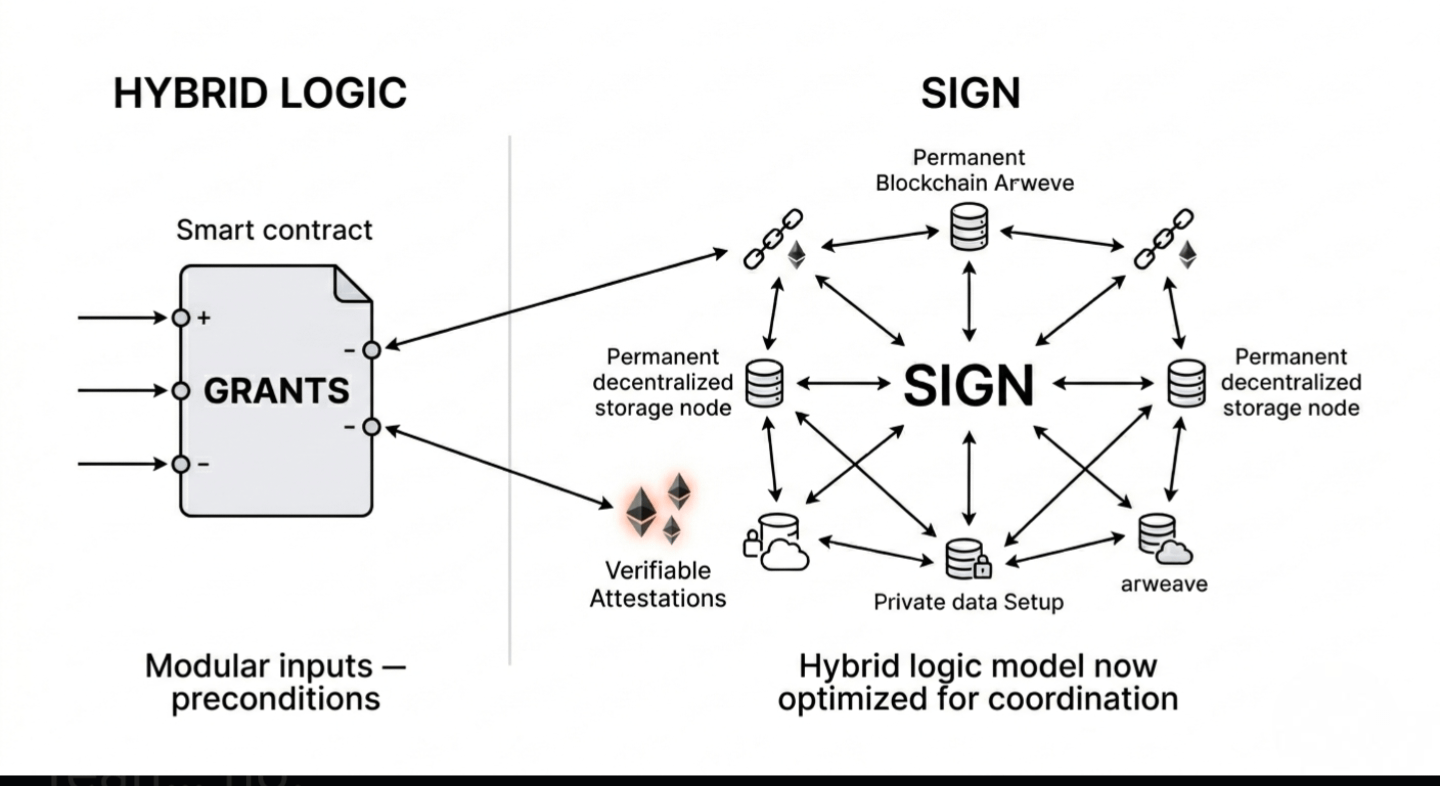
I’ve seen this before. More times than I can count.
A team rolls out a “global distribution system.” Tokens, credentials, access—same story, different branding. Everything looks clean. Diagrams make sense. The logic feels airtight.
Then launch day hits.
At first? Smooth.
Then… not so much.
It’s 2 AM. Someone’s stuck in a Telegram group, flipping between dashboards and a Google Sheet that absolutely wasn’t part of the plan. Wallets are duplicated. Some users got skipped. A few figured out how to slip through twice.
And now people are mad.
“Where’s my allocation?”
“I did everything right.”
“This is a scam.”
You’ve seen those messages. We all have.
Meanwhile, behind the scenes? Chaos.
Someone’s writing last-minute scripts. Someone else is exporting CSV files like their life depends on it. Quick fixes everywhere. No one’s sleeping.
Because if this goes wrong publicly, it sticks.
Reputation doesn’t reset.
Let’s be real for a second.
Distribution isn’t hard.
Once you know who gets what, sending tokens is easy. That part works. It always works.
The real problem sits upstream.
Verification.

Or more specifically getting people to agree on who qualifies, and why.
And this is where most systems quietly fall apart.
They fake it.
They take a snapshot. Freeze a moment in time. Build a list. Then lock that logic into a smart contract and hope reality doesn’t change five minutes later.
Guess what?
It always does.
Now you’ve got rigid logic trying to handle a fluid world.
That never ends well.
So what’s the fix?
Not a bigger system. Not more layers. Definitely not more complexity.
It’s a shift in how you think about truth.
Stop trying to control everything in one place.
Start proving small things. Separately.
This is where attestations come in.
Not as some grand solution. Don’t oversell it.
They’re just… claims.
Simple ones.
“You passed KYC.”
“You contributed here.”
“You held this token at this time.”
That’s it.
On their own? Pretty useless.
But stack them together and something starts to form.
Context.
And that’s where it gets interesting.
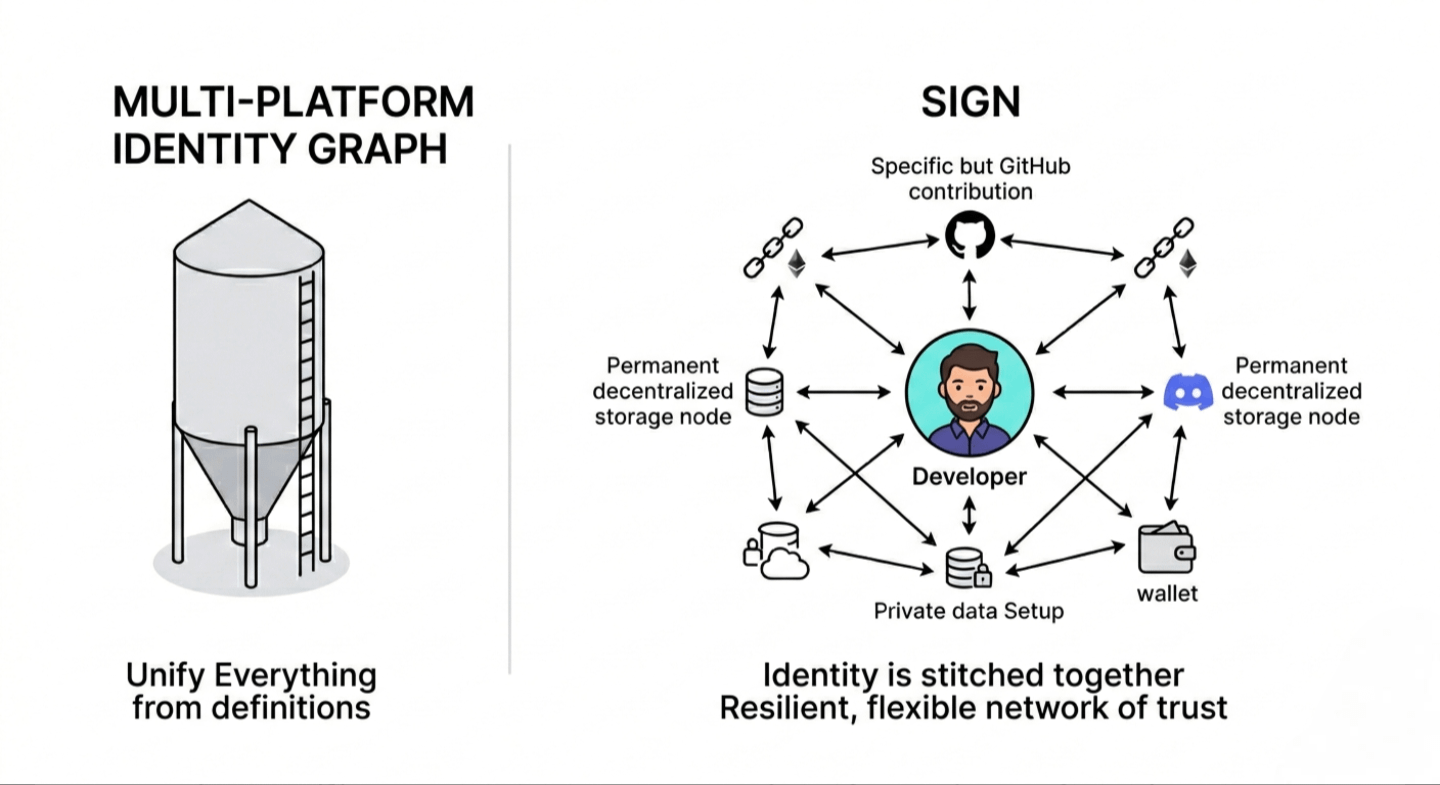
Right now, most systems don’t have context. They operate like a checklist.
You’re in or you’re out. Binary.
No nuance. No memory. No flexibility.
But when you start layering attestations, you get something closer to a story.
Not perfect. Not complete. But better.
You’re not asking, “Is this wallet eligible?”
You’re asking, “What do we know about this wallet?”
That’s a very different question.
And here’s the part people don’t talk about enough.
You don’t need one system to decide everything.
You need multiple actors, each verifying a small piece of reality.
Different angles. Different incentives.
Some will be reliable. Some won’t.
That’s fine.
The system doesn’t need perfection. It needs overlap.
If one source fails, the whole thing doesn’t collapse. It just loses a bit of confidence.
That’s survivable.
What we have now? It’s brittle. One bad dataset and everything breaks.
Now let’s zoom out.
Everyone’s hyped about AI agents. Autonomous systems. On-chain decision-making.
Cool idea.
But I’ll be honest—they’re blind right now.
Completely blind.
They don’t understand identity. They don’t get reputation. They can’t judge credibility.
They just take inputs and act.
And those inputs? Mostly garbage.
Static data. Easy to fake. No history. No depth.
You’re basically asking a machine to make decisions based on vibes.
Think about that for a second.
Attestations give them something real to work with.
Not truth let’s not pretend but evidence.
Layers of it.
A trail. A pattern. Something they can evaluate.
Instead of a yes/no check, you get a spectrum.
“How confident are we?”
That’s a better question. Way better.
And this is where credential verification and token distribution actually start to connect in a meaningful way.
Not as a pipeline.
More like a loop.
You verify something → it creates an attestation.
That attestation feeds into distribution.
That distribution creates new signals.
And around it goes.
It builds context over time.
Not instantly. Not perfectly.
But steadily.
Now, before this starts sounding too clean because it’s not let’s talk about the ugly parts.
Bad actors will game this.
Of course they will.
If there’s value in being “verified,” people will farm it. Fake it. Buy it. Automate it.
That’s just how incentives work.
Then there’s gatekeeping.
Who decides which attestations actually matter?
If a small group controls that, congrats—you just rebuilt centralized trust. Same problem, new packaging.
And the subtle stuff? That’s where things get tricky.
Reputation loops.
Closed circles where people just validate each other.
“You vouch for me, I’ll vouch for you.”
On-chain, it looks legit.
In reality? It’s noise.
Maybe worse than noise, honestly.
So no, this doesn’t magically fix everything.
It shifts the problem.
Makes it more visible. More granular.
You can argue that’s better.
I think it is.
Look, I’ve watched too many of these systems fail because they tried to pretend humans weren’t part of the equation.
But we are.
We’re messy. Inconsistent. Easy to game. Hard to coordinate.
Any system that ignores that… breaks.
Eventually.
This approach doesn’t ignore it.
It leans into it.
It accepts that truth comes in pieces. That trust is layered. That coordination is never clean.
And yeah, it’s still flawed.
Still evolving.
Still gameable.
But at least it’s honest.
And honestly? That’s more than most systems in this space can say.
@SignOfficial #SignDigitalSovereignInfra $SIGN
