

I’ll be honest, I used to think most “infrastructure” narratives in crypto were just delayed promises.
You see it all the time. Big ideas, clean diagrams, but nothing actually changes in how money moves. So I started filtering things pretty aggressively. If it doesn’t affect real flows, I don’t spend time on it.
That’s where S.I.G.N. caught me off guard.
At first glance, it looked like another protocol trying to sit between governments and crypto rails. But the deeper I went, the more it stopped looking like a narrative… and started looking like a coordination layer.
The core idea is simple, but kind of uncomfortable to fully process.
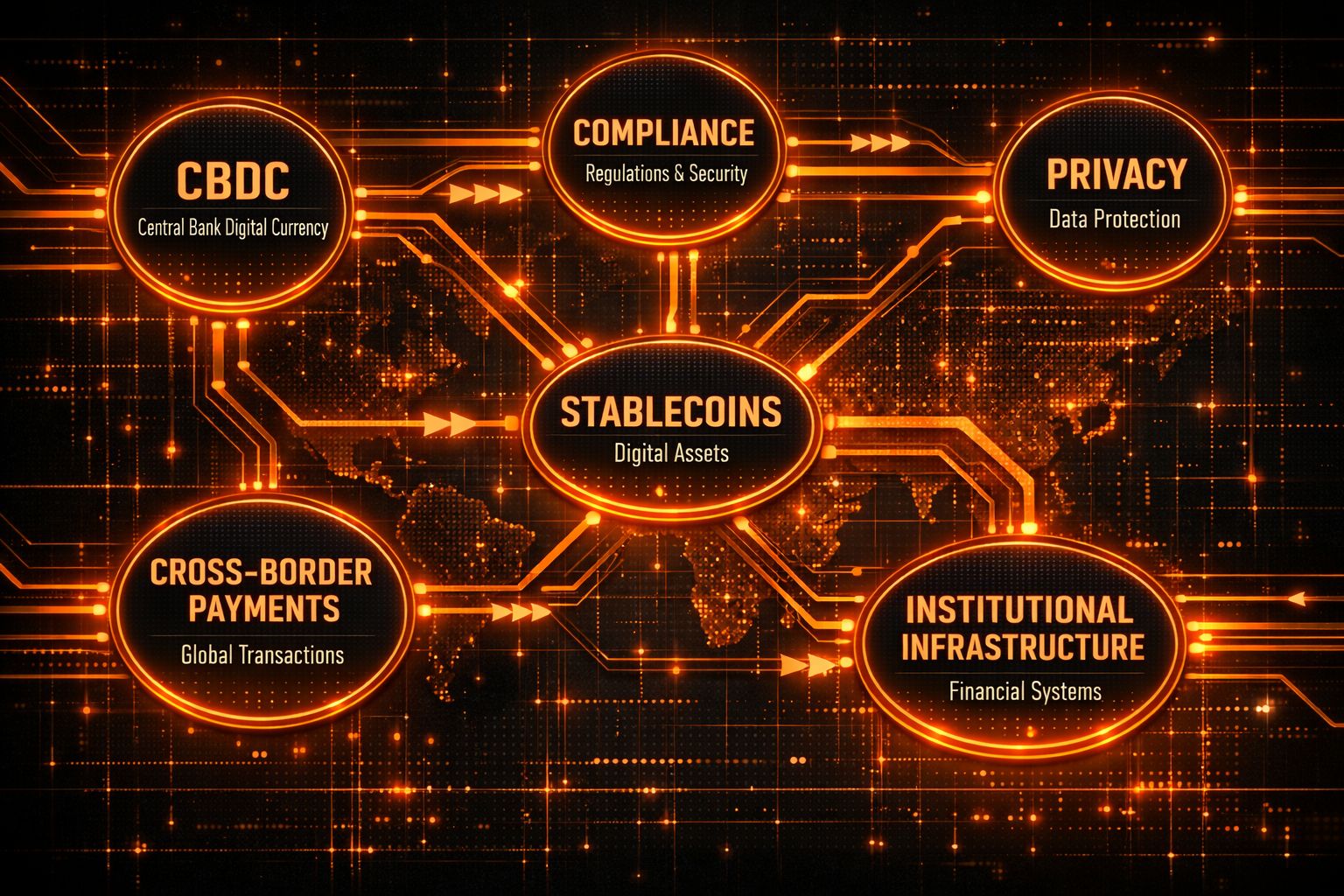
What if CBDCs and stablecoins aren’t competing systems?
What if they’re meant to run on the same infrastructure?
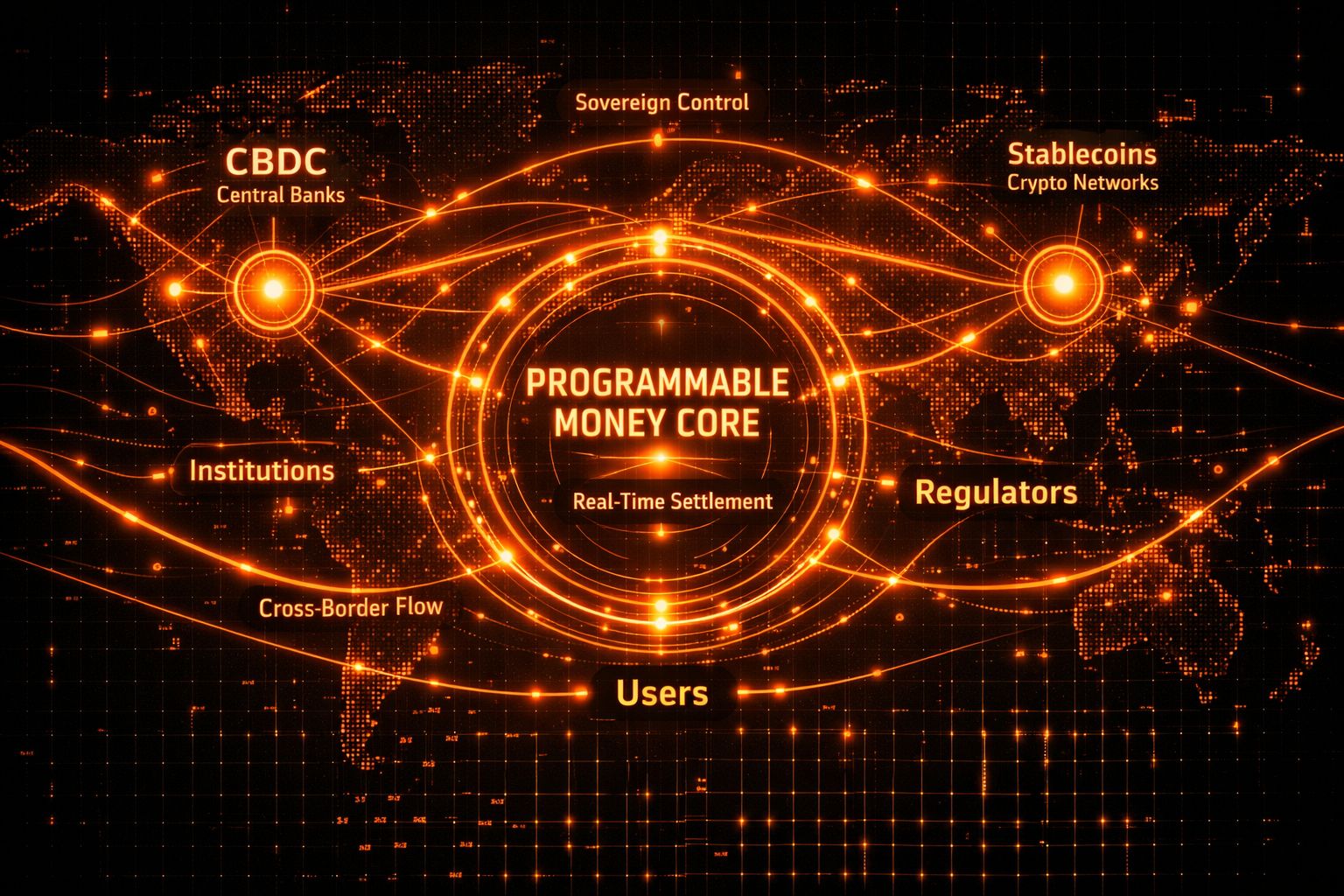
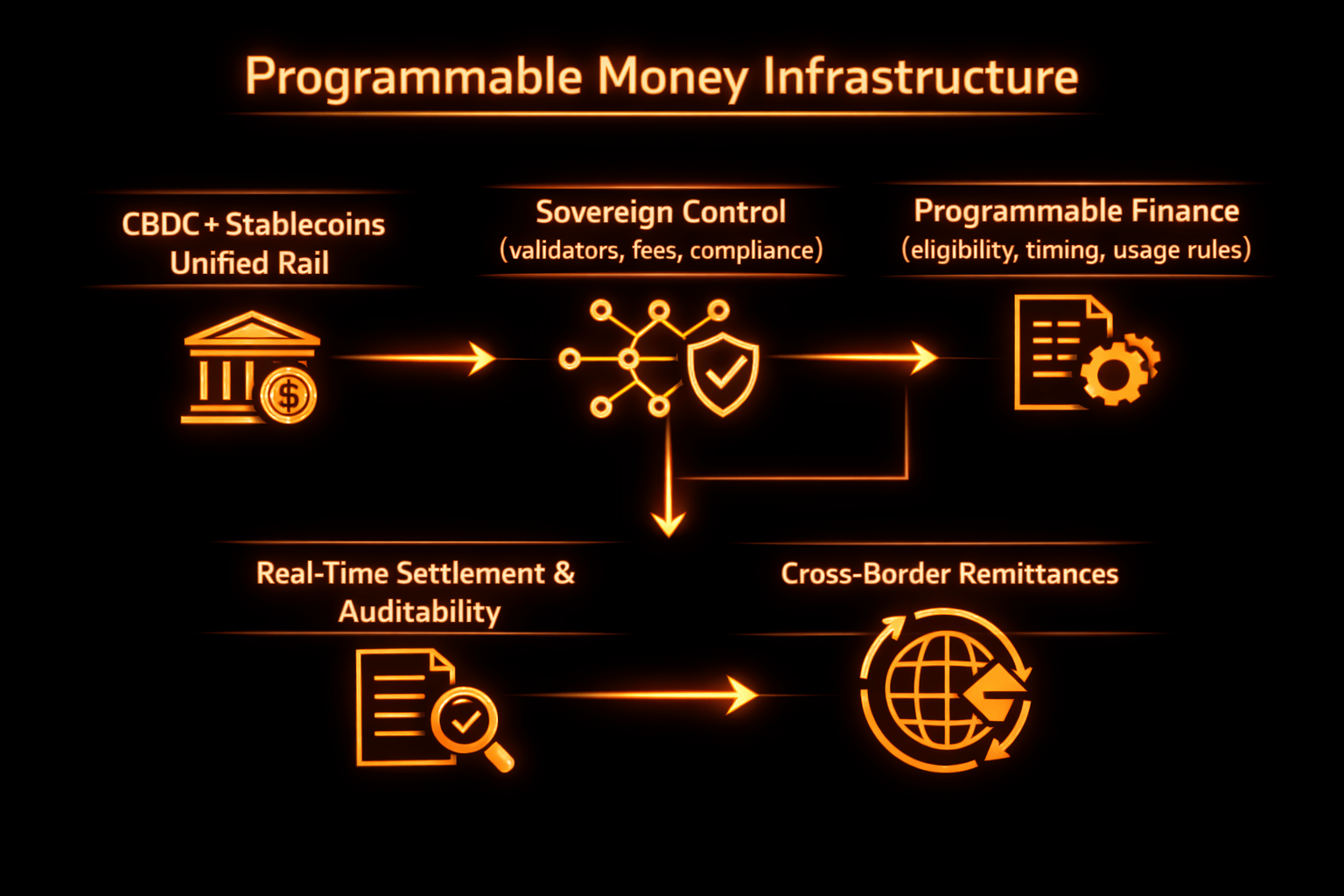
That’s basically what S.I.G.N. is positioning for. A unified monetary rail where central bank-issued money and privately issued stablecoins don’t fragment liquidity, but actually interact in a controlled way.
And that’s a big shift.
Right now, these systems live in parallel worlds. CBDCs are closed, policy-driven. Stablecoins are open, market-driven. Bridging them usually adds friction, not efficiency.
S.I.G.N. flips that by designing for both from the start.
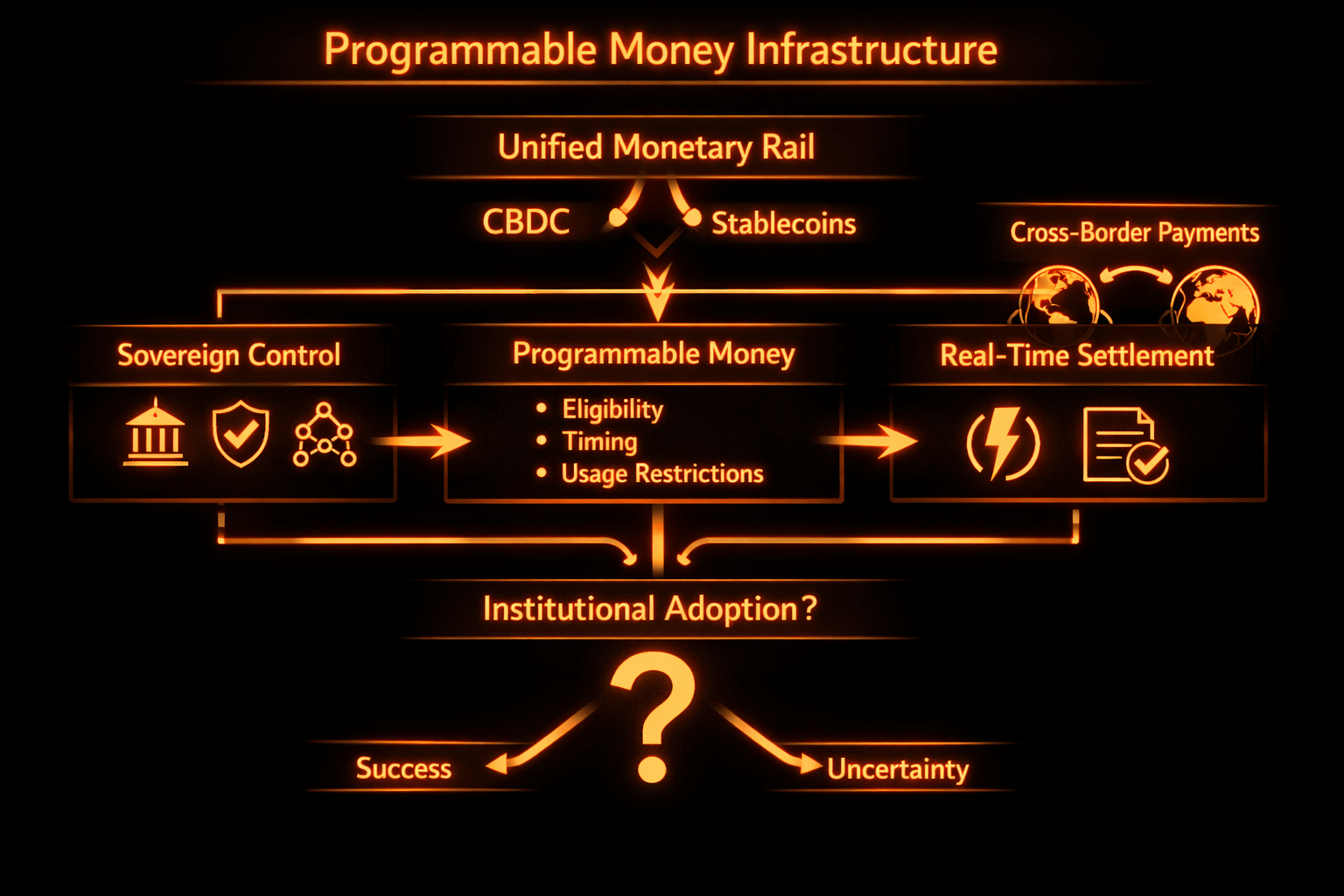
What I found more interesting wasn’t just the connection… it’s who stays in control.
Governments don’t give that up here.
Validators, compliance rules, transaction logic — all of that can still be defined at the sovereign level. That matters because no system gets adopted if it forces institutions to lose control over policy.
But at the same time, these systems don’t stay isolated.
They plug into broader financial networks. Cross-border flows become possible without fully exposing internal systems. That balance between control and interoperability is hard to get right.
And most projects don’t even try.
Then there’s the part I think the market is barely paying attention to.
Programmable public finance.
I used to think of programmability as a DeFi concept. But here it’s applied in a completely different context.
Imagine government funds that don’t just move… but behave.
Money that only unlocks at a certain time. Only goes to eligible recipients. Only gets spent in specific categories.
That’s not just efficiency. That’s policy enforcement embedded directly into the asset.
It reduces leakage. Cuts down fraud. Removes a lot of manual verification layers that slow everything down today.
And if you think about it, most public finance systems are still built on trust and reporting after the fact.
This moves that logic into the transaction itself.
Settlement is another piece that looks simple on paper but matters more in practice.
Near-instant finality changes how systems interact. Not just speed, but confidence. If transactions settle quickly and are auditable in real time, you don’t need the same level of reconciliation overhead.
Regulators can monitor flows continuously instead of periodically.
Institutions don’t need to recheck everything.
That reduces friction across the board.
But again, this only matters if it’s actually used.
Cross-border is where all of this starts to connect.
Right now, moving money across systems is messy. Different standards, compliance layers, delays. Even with stablecoins, you still hit regulatory walls.
S.I.G.N. tries to sit in that gap.
CBDCs on one side. Stablecoins on the other. A bridge that respects compliance but reduces friction.
Not fully open. Not fully closed.
Something in between.
And honestly, that’s probably the only model that works at scale.
From a market perspective, I think this is where things get misread
People tend to simplify it into one angle.
Either it’s “government adoption play” or “just another infra token.”
But it’s not that clean.
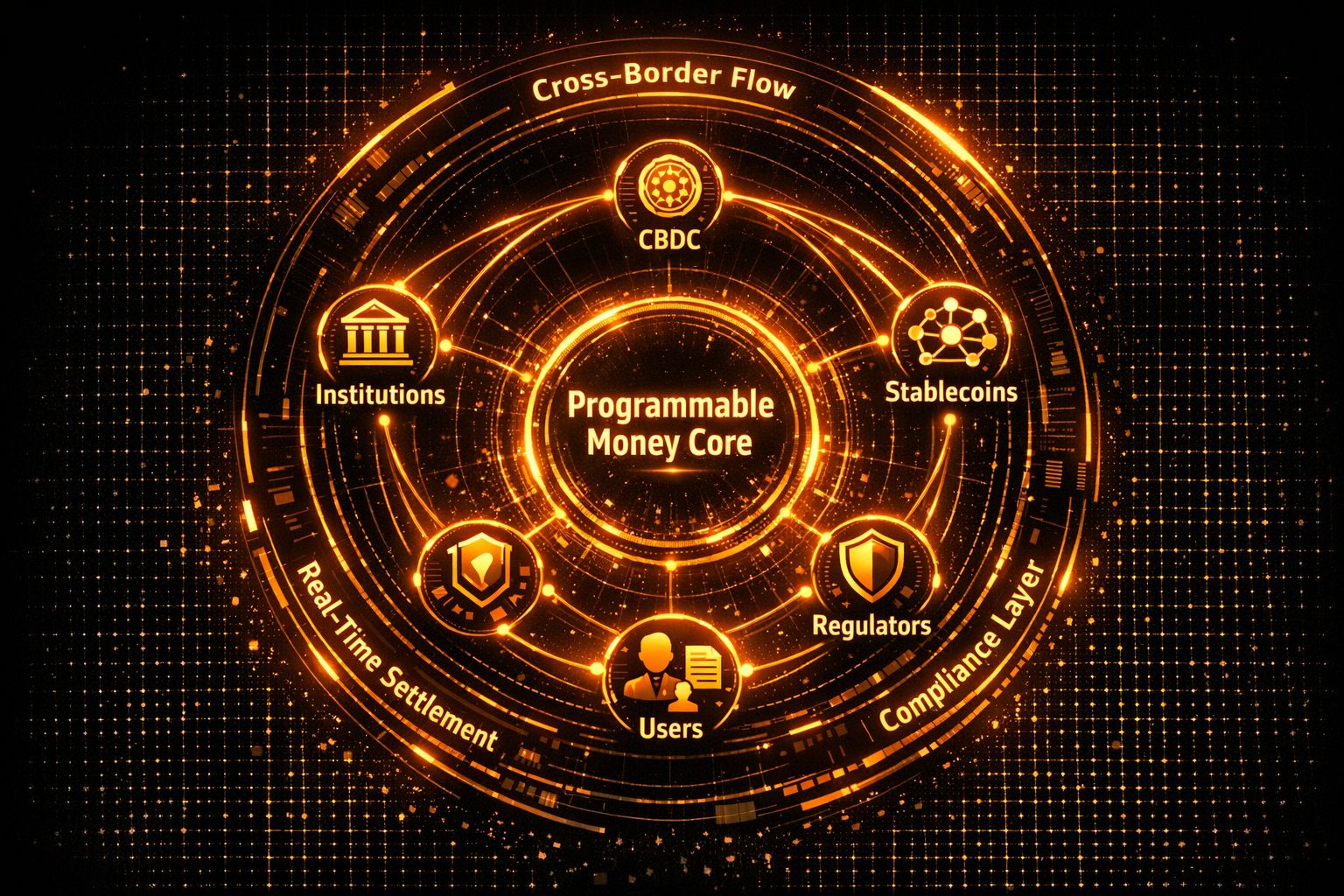
You’ve got multiple layers interacting here:
The product layer is real. The architecture makes sense if you think in terms of existing financial systems.
The institutional layer is uncertain. Adoption depends on slow-moving entities with strict requirements.
The token layer… that’s where things get tricky.
Because even if the infrastructure works, the token only benefits if usage translates into demand.
And that part isn’t guaranteed.
What I keep coming back to is this.
The market is very good at pricing what it can measure.
Supply, unlocks, liquidity… those are visible.
But systems like this create value in ways that are harder to model. Integration, dependency, repeated usage.
So they often get ignored until they’re obvious.
And by then, pricing changes fast.
 Still, I don’t think it’s one-sided.
There are real risks here.
Institutional dependency is the biggest one. If governments don’t integrate at scale, the whole thesis weakens. This isn’t a system that can bootstrap purely from retail demand.
Execution matters too. Designing infrastructure is one thing. Getting it adopted across different jurisdictions is another.
And then there’s timing. Even good systems can sit undervalued for a long time if the market isn’t ready to price them.
So I’m not fully convinced yet.
But I’m also not dismissing it.
Because when you step back, this isn’t just about CBDCs or stablecoins.
It’s about whether money itself becomes programmable at a policy level… and whether that happens on shared infrastructure instead of isolated systems.
If that shift happens, S.I.G.N. starts to look less like a crypto project and more like underlying financial plumbing.
And those aren’t usually priced early.
Right now, it still feels like the market is watching from a distance.
Not ignoring it. But not committing either.
Which usually means one thing.
The idea is understood… but not yet believed.
And that’s where the opportunity and the risk both sit.