The 91 applications currently under SEC review cover a wide range of products: from single-token funds to staking ETFs, leveraged instruments, and multi-asset baskets. The joint SEC and CFTC ruling from March 17, which classified 16 crypto assets as digital commodities, removed the main legal barrier for these applications. Until then, the key question for every crypto asset besides Bitcoin and Ethereum had been: is it a commodity or a security? For 16 of the 24 tokens, this question is now resolved (see previous review).
However, commodity status is a necessary but not sufficient condition. The SEC also requires at least six months of CME futures trading history under standard listing requirements, as well as the completion of the S-1 filing process. Some of the 91 applications meet these criteria; others do not.
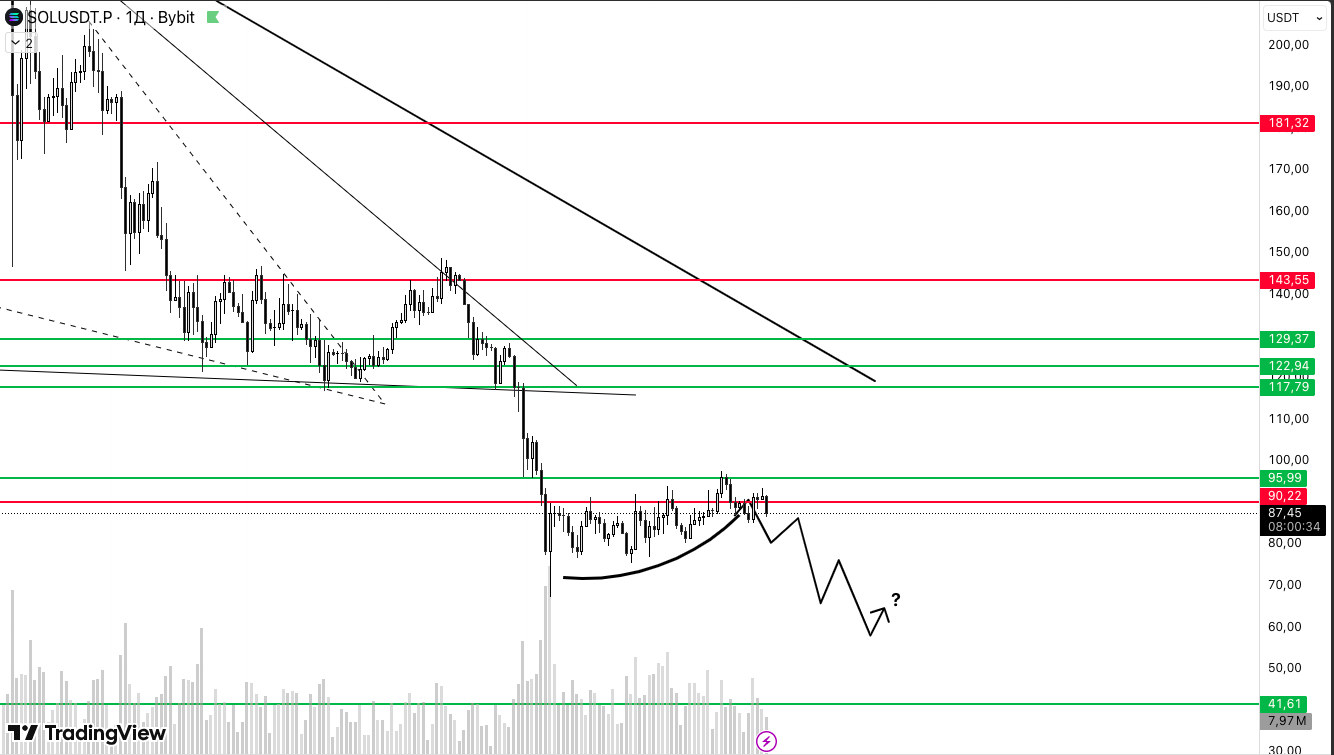
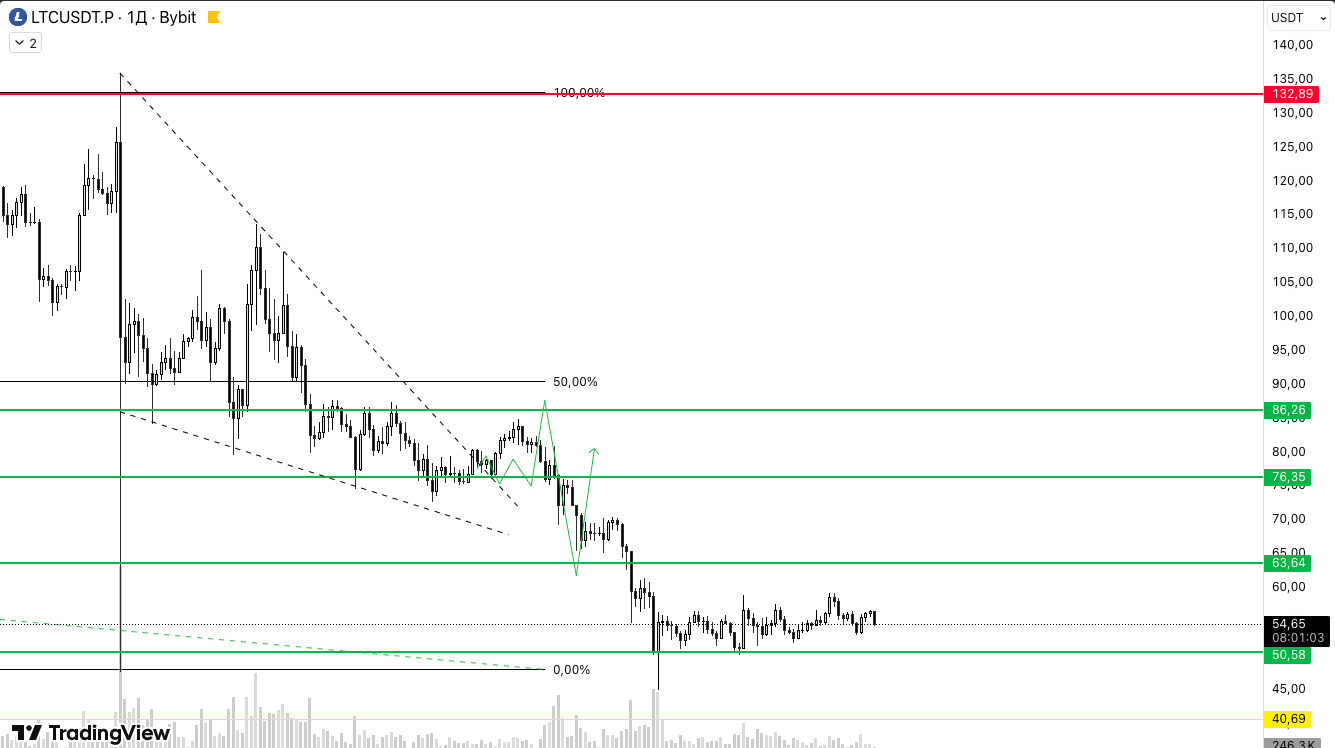
My favorites: $SOL and $LTC next in
line.
VanEck's VSOL and Bitwise's BSOL staking are already trading, but new applications fo SOL (without staking) as well as Litecoare under review. SOL is supported by strong institutional demand. BlackRock's ETHB staking ETF demonstrated market interest in such products a similar fund for SOL could attract comparable demand, especially since SOL staking yields (6-7%) are roughly double those of ΕΤΗ (3.3-4.2%).
The market doesn't expect approval for all 91 applications, but rather a sorting process some approved, others rejected.
If most applications for tokens with commodity status and the required futures history are approved, we could see a short-term rally in those assets, followed by capital rotation. For instance, SOL could become a focal point for investors who prefer not to stake on their own.
If the SEC extends review deadlines for most applications (up to 240 days), no significant market movement is expected but participant optimism may fade. An extension is not a denial, but it doesn't fuel upside either.in funds