
The more I think about on-chain payments, the more I feel like we’ve been overselling them a bit. People call them automatic, but most of the time it’s just money moving from A to B with extra steps and nicer words.
Someone sends. Someone waits. Then comes the message, “did you finish?” Then maybe a screenshot, maybe a reminder. It still feels very human, just sitting on top of a blockchain instead of a bank app.
That’s why $SIGN started making more sense to me when I looked at the schema idea.
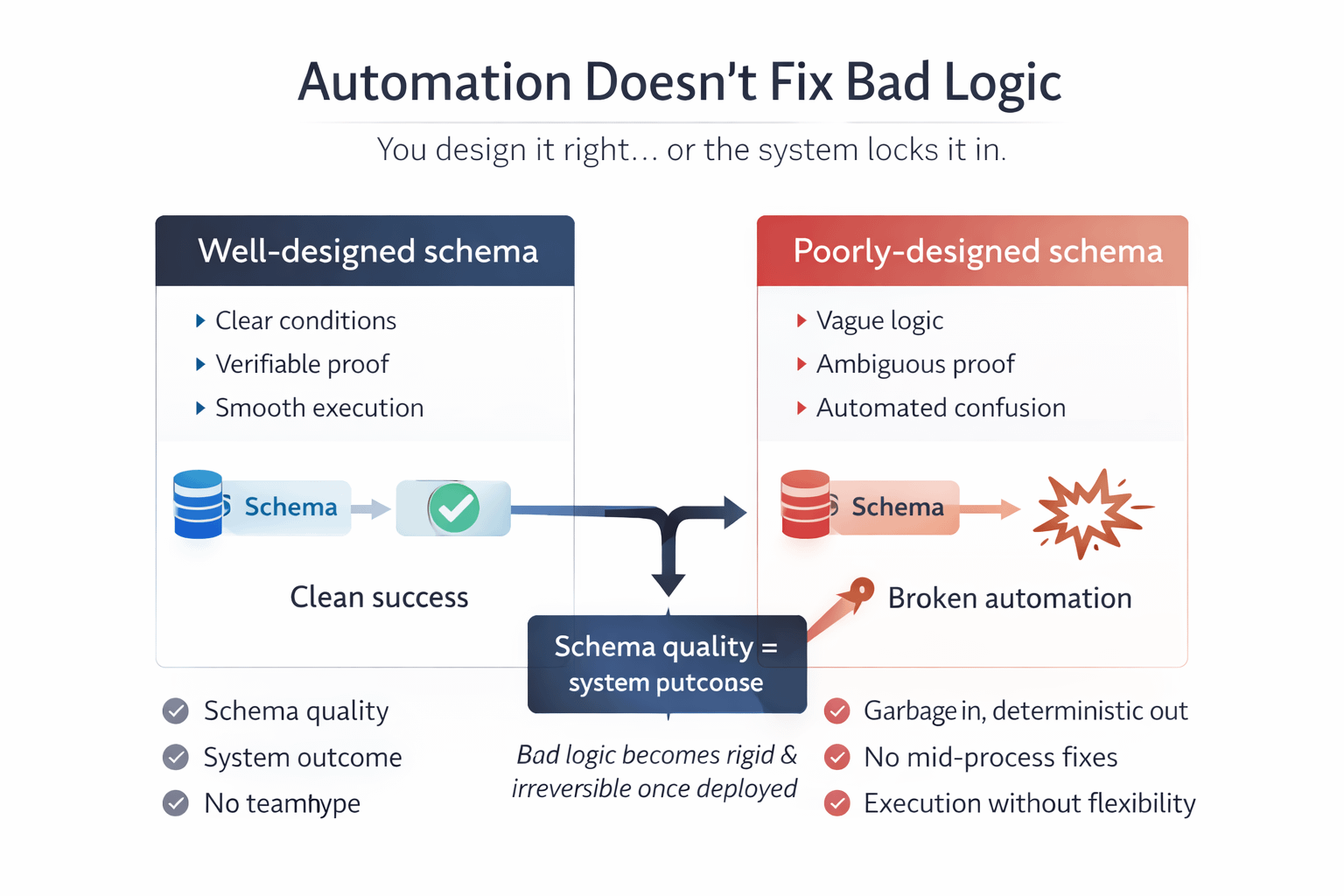
It kind of forces clarity before anything happens. Not after. The schema defines what proof is needed, what counts as completion, what conditions have to be met. So instead of people negotiating trust mid-process, the system already knows what it’s looking for.
And that changes the flow more than I expected.
Because now payment isn’t just movement. It’s logic. If the condition is met, release funds. If not, nothing happens. No back-and-forth, no “trust me I did it,” no weird social layer trying to patch over unclear agreements.
That part feels cleaner.
But the more I sit with it, the more I realize the tool itself isn’t the impressive part. The rules are. If the schema is designed well, everything works smoothly. If it’s vague or poorly thought out, then all you did was automate confusion.
And honestly, that might even be worse.
Because now the system enforces bad logic with confidence. No flexibility, no human override, just clean execution of a messy idea. It looks professional, but it’s still broken underneath.
So yeah, I think what SIGN is doing here is useful. It’s shifting focus from moving money to defining when money should move. That’s a more real problem than people admit.
But it also means the responsibility shifts earlier.
You don’t fix things during the process anymore. You either designed it right from the start… or you didn’t.
And the chain will make sure you live with that.