
I have been thinking about the word "permissionless" a lot. A years ago it was the ultimate goal. The idea was simple: if you had a wallet you could join in. If you could sign a transaction you were part of the economy. The great thing about crypto was that it made the world a smaller place. It did not matter if you were in New York or a small village in Southeast Asia. The system treated everyone the same.
Now I realize that things are changing. It is not a change but a slow and quiet one.
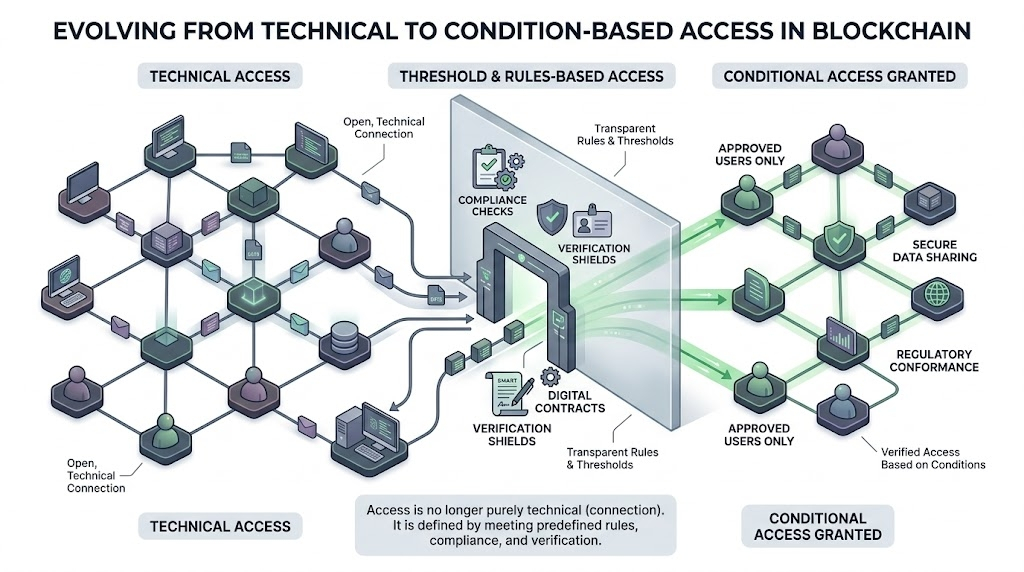
We are entering an era where things are not so simple. The technology is not leaving people out. The rules are. I talked to a fund manager in Abu Dhabi week and he said it clearly: "It is not about whether the money is clean or not it is about whether the source of the money is acceptable to the place where the smart contract is used."
This is the problem. We used to think that the blockchain was a way to escape the system. But now the old system is doing something it is not fighting crypto it is taking over the way people join in. You can see the transaction on the blockchain. Can you get the reward? You can move the asset. Can you pass the projects internal check? The "threshold" is no longer about being good with technology it is a wall built into the system.
This is where things get interesting. Most people see this and say it is unfair. They say it is the end of DeFi. I see it differently. I see a gap in the system.
Because if joining in is going to have conditions those conditions need to be fair, clear and executable. They cannot be a process controlled by a central authority. They have to be code.
This brings me to SIGN.
I used to think of SIGN as a tool to prove who you are.. That is like saying the internet is only for sending emails. The more I look into it the more I realize SIGN is not just building a tool it is building the system for the rules layer.
What does that mean in terms?
In the Middle East. The place where this change is happening the fastest. There is a lot of money that wants to join the on-chain economy. But they have a problem: they need to prove they are not on a sanctions list they need to prove their partner is following the rules. They cannot show their entire transaction history to everyone.
SIGN solves the problem of "trust but verify" in a world.
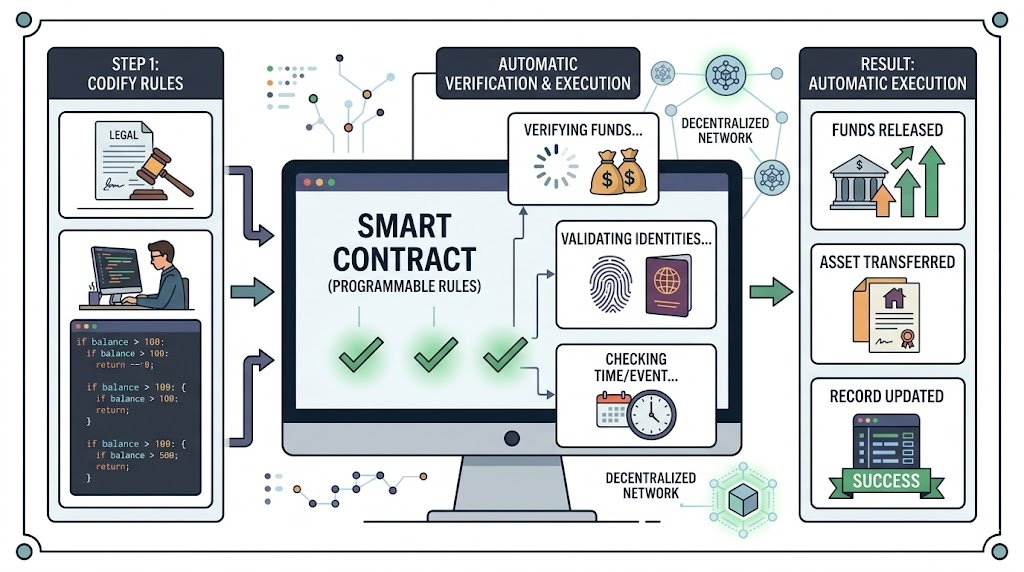
1. It Defines the Threshold: It allows protocols to write the "rules of entry" in a way that can be checked. Of a document in a lawyers inbox the condition becomes a programmable check.
2. It Protects Privacy: This is the feature for the institutional wave. Through privacy-preserving mechanisms it allows a user to prove they meet the threshold (e.g. "I am an investor from a non-sanctioned region") without showing their entire wallet history to the world.
3. It Executes the Distribution: Once the check is made the money flows. The reward, the access. It becomes automated based on truth not review.
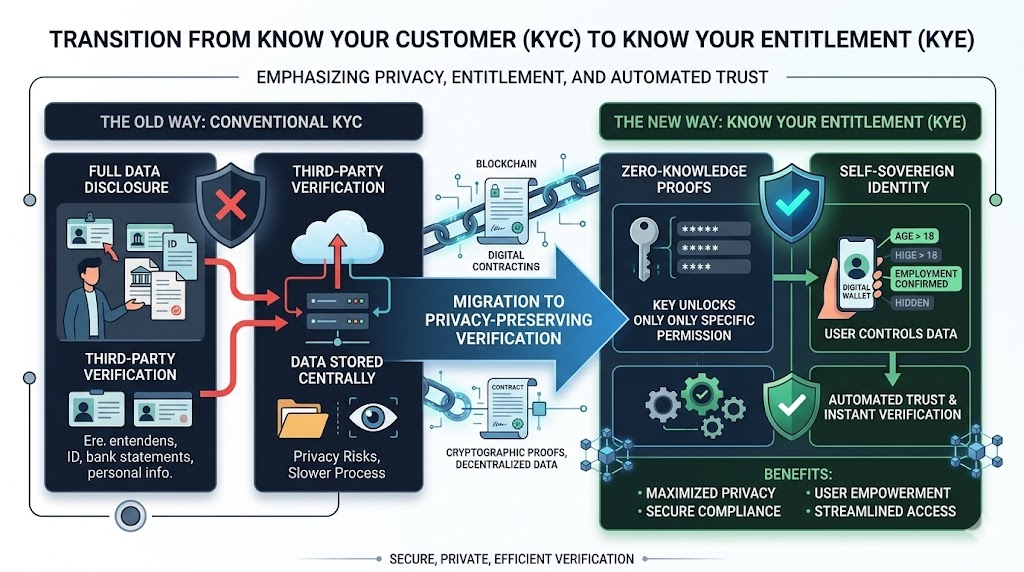
In essence SIGN is changing the concept of "KYC" (Know Your Customer) into "KYE" (Know Your Entitlement). It is moving the gatekeeping from the bank lobby to the contract but doing it in a way that keeps the spirit of crypto: transparency of logic, privacy of data.
There is a story going around that Web3 is losing its soul by following real-world rules. I think that is a view. The truth is, for money to grow. In places like the Middle East, Singapore and Europe. The rules must exist. The only question is: do we want those rules to be secret, central and prone to error or do we want them written on the blockchain, clear and auditable?
SIGN has taken a position that may seem expensive now but will seem smart later. They are not betting on an asset or a specific L1. They are betting on the fact that things will get more complex. They are building the foundation for a world where "permissionless" meets " requirement."
We are moving from a world where the threshold was technical (can you run a node?) to a world where the threshold's legal and jurisdictional (are you allowed to participate?).
When that change happens.. It is happening faster in the Middle East than anywhere else. Projects will not have a choice. They will need a layer to check and verify. They will need a rules engine.
SIGN is already there. It is not a front-end play; it is a back-end monopoly in the making. It is the infrastructure that will define who gets to play in the generation of the on-chain economy.
Sometimes the best positions are not the ones that're popular now. They are the ones that become the "default" because everyone else realizes late that the window to build the rules layer has already closed.
SIGN is not just a token; it is the constitution of the conditional, on-chain world.. The constitution was written before the country was formed.