
I noticed something strange recently.
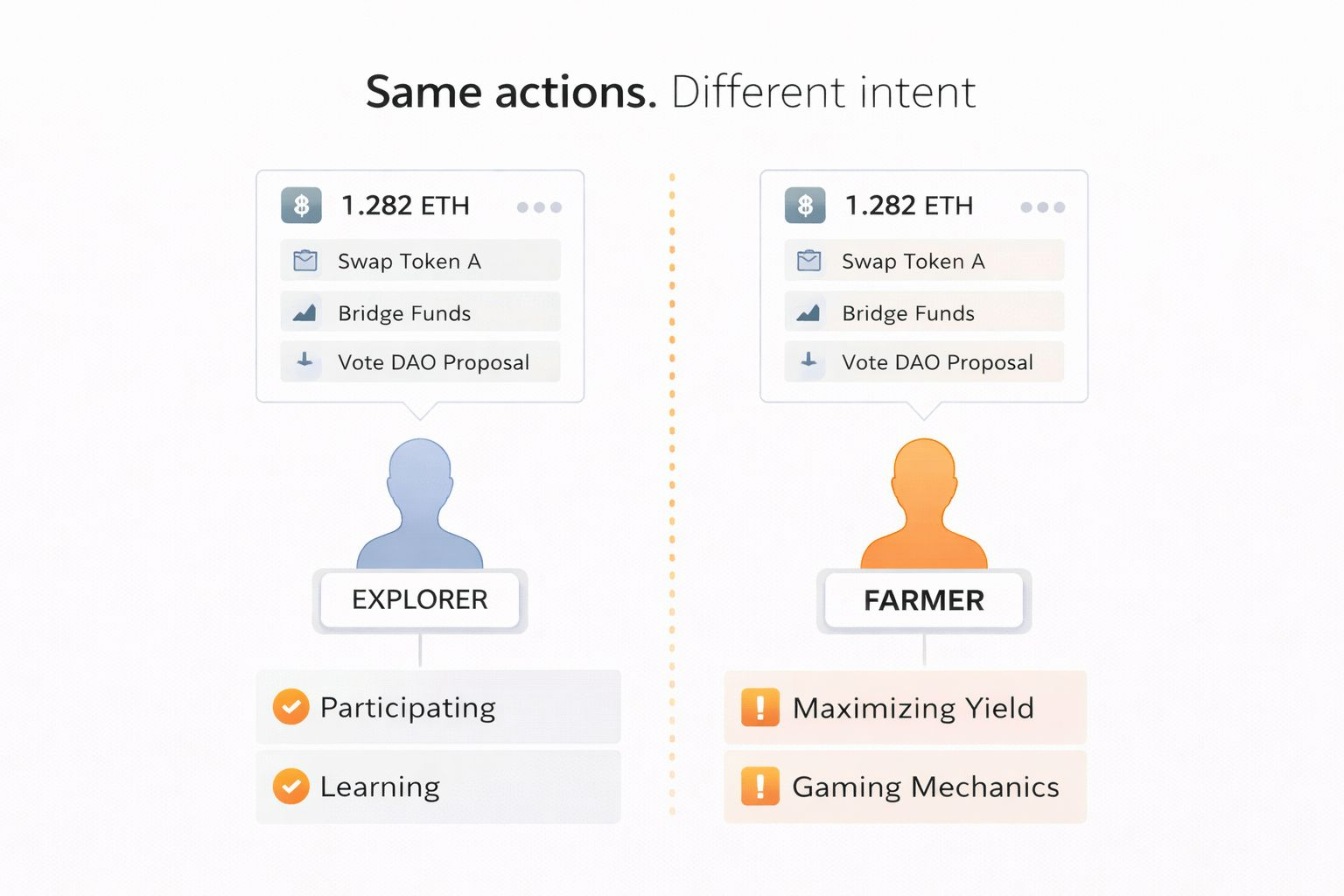
Two wallets can look identical on-chain —
same activity, same volume, same interactions.
But behind them? Completely different people.
One is exploring.
The other is farming.
And the system treats them the same.
This is where it gets misleading:
The hidden problem
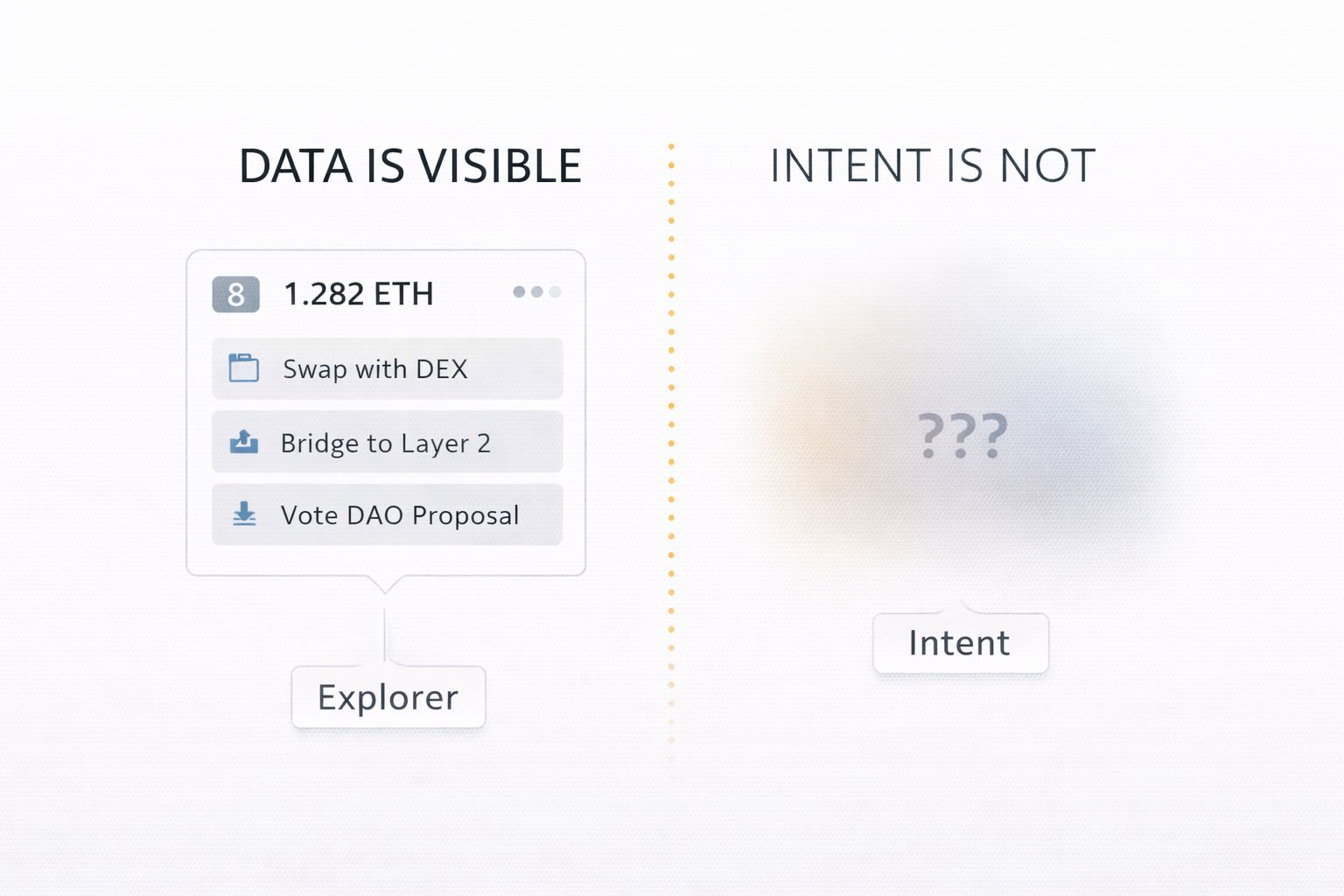
On-chain identity doesn’t capture intent.
It only captures actions.
• You bridged → but why?
• You interacted → but how?
• You qualified → but under what behavior?
All of that context gets lost.
This is the part most systems can’t see:
Why this matters more than it seems
Most identity systems assume:
“If two behaviors look the same, they are the same.”
But in reality:
• One user is long-term
• One is extractive
• One is experimenting
• One is optimizing rewards
Same data. Different meaning.
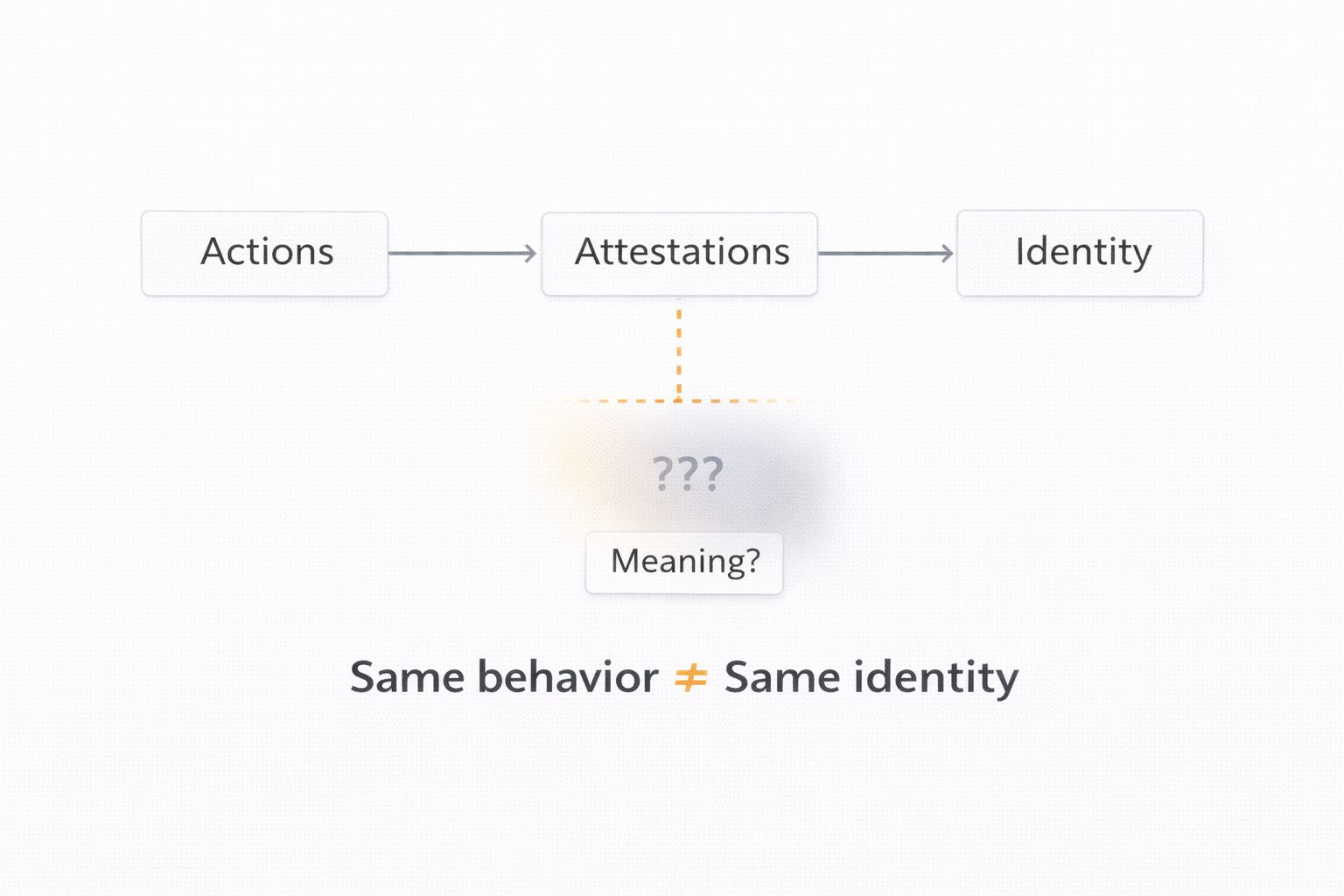
This is the gap:
Where systems like @SignOfficial get tested
If identity is built on attestations alone,
it risks becoming a record of what happened,
not what it meant.
And meaning is where trust actually comes from.
The uncomfortable truth
You can’t fully measure intent.
But ignoring it creates blind spots:
• Incentives get exploited
• Reputation gets diluted
• Systems reward the wrong behavior
The real question
Not:
“Did this wallet do X?”
But:
“What does this behavior actually represent?”
Open thought
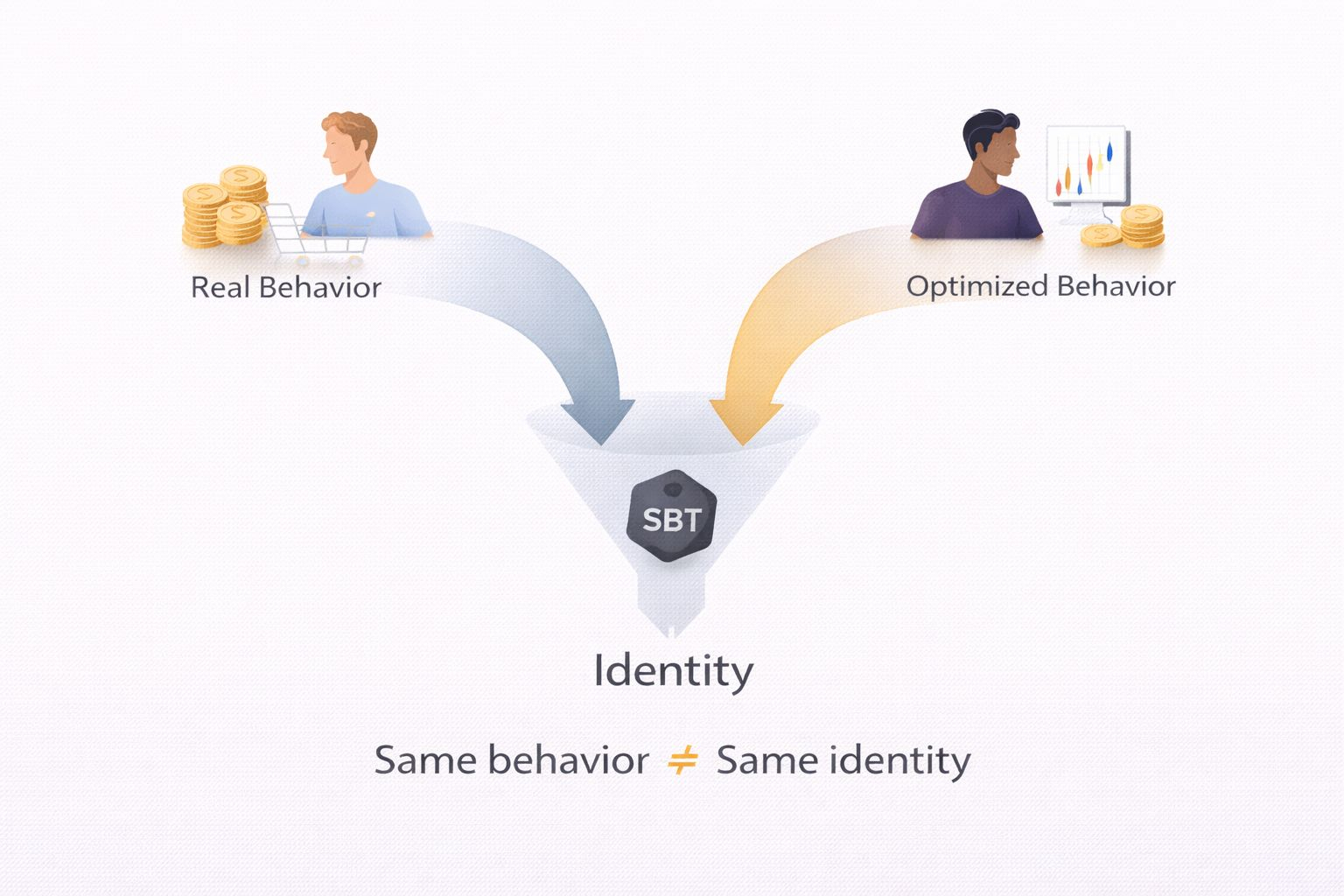
If Web3 identity can’t distinguish between
real participation and optimized behavior…
then it’s not measuring users.
It’s measuring patterns.
$SIGN #SignDigitalSovereignInfra
