
Let’s be honest. Tech talk is cheap. Everyone sounds smart until you look at the numbers. And with Sign, the numbers matter because this isn’t just an idea project. There’s a token. There’s supply. There are unlocks. And ignoring that is how people get burned.
First, the problem is still the same. Credential systems are broken. We covered that. Databases lie. APIs disappear. Putting everything on-chain is stupid for privacy. Keeping everything off-chain kills verifiability. That part doesn’t change no matter what the price chart looks like.
What Sign Protocol is doing makes sense at a systems level. Off-chain data. On-chain anchor. Hash, issuer signature, schema, timestamp. Clean. Verifiable. Hard to fake. No need to trust a server every time. That’s the part people should focus on before they even touch the token.
But tokens don’t live in whitepapers. They live in markets.
Right now, SIGN is sitting around $0.053. Market cap roughly $87M. Circulating supply about 1.64B. Max supply is 10B. That alone should slow you down for a second. More than 80% of supply is not circulating yet. That’s not bearish or bullish by itself. It’s just reality.
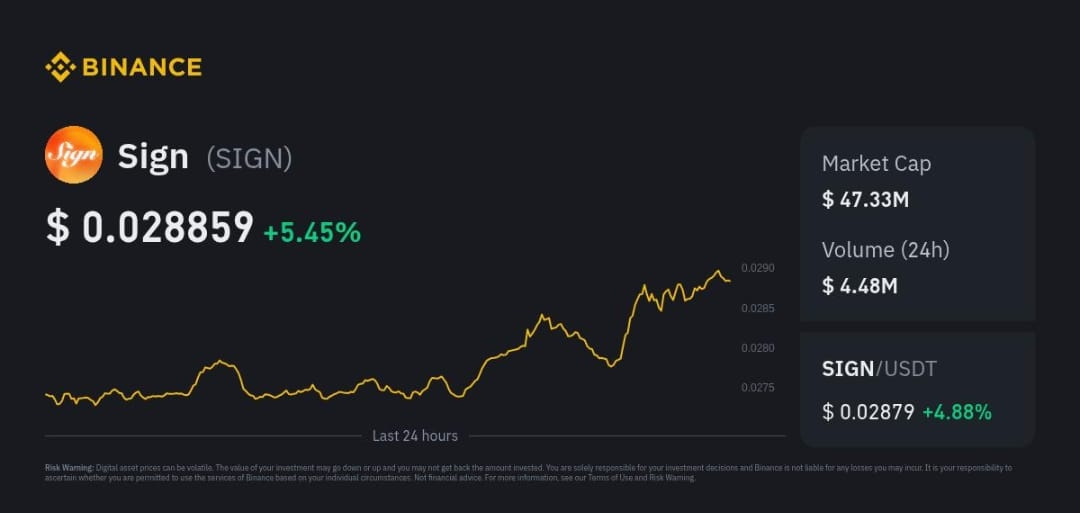
ATH was much higher. Around 58% above current levels. So yes, on paper it looks “down bad.” People love saying that means upside. Sometimes it does. Sometimes it just means supply hasn’t hit yet.
And here’s the part that actually matters. Unlocks.
Around 8.07B tokens are still locked. That’s not a small number. That’s the entire future price action sitting in a schedule.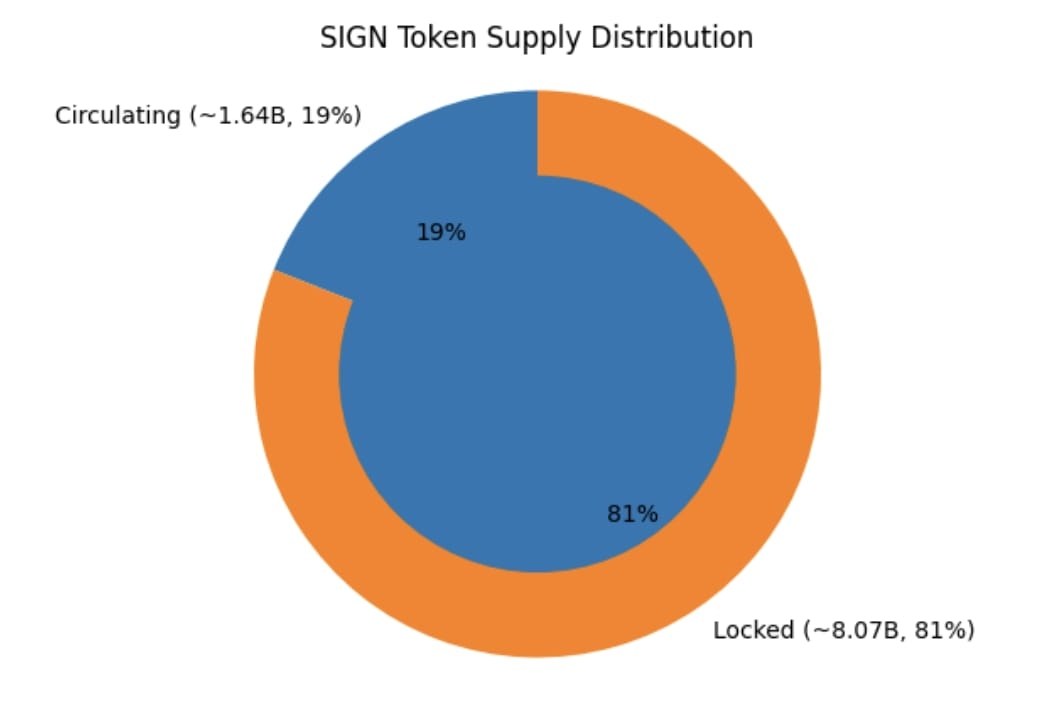 There’s a May 15 unlock coming up. Same supply math. Same pressure risk. Doesn’t mean it will dump. It means you don’t get to pretend dilution isn’t real.
People keep throwing around targets. $0.32 at $505M market cap if adoption kicks in. Sure. Possible. But that assumes real usage. Not tweets. Not threads. Actual credentials being issued. Actual enterprises or governments using off-chain attestations instead of legacy systems.
On the downside, people talk about $0.019 to $0.025 if unlock pressure hits before demand shows up. Also possible. Especially if this stays a “cool architecture” project instead of real infrastructure.
And that loops back to the core risk. Storage. The anchor works. The math works. But if off-chain data goes missing, the credential is useless in practice. The chain can prove it existed. It can’t show it again.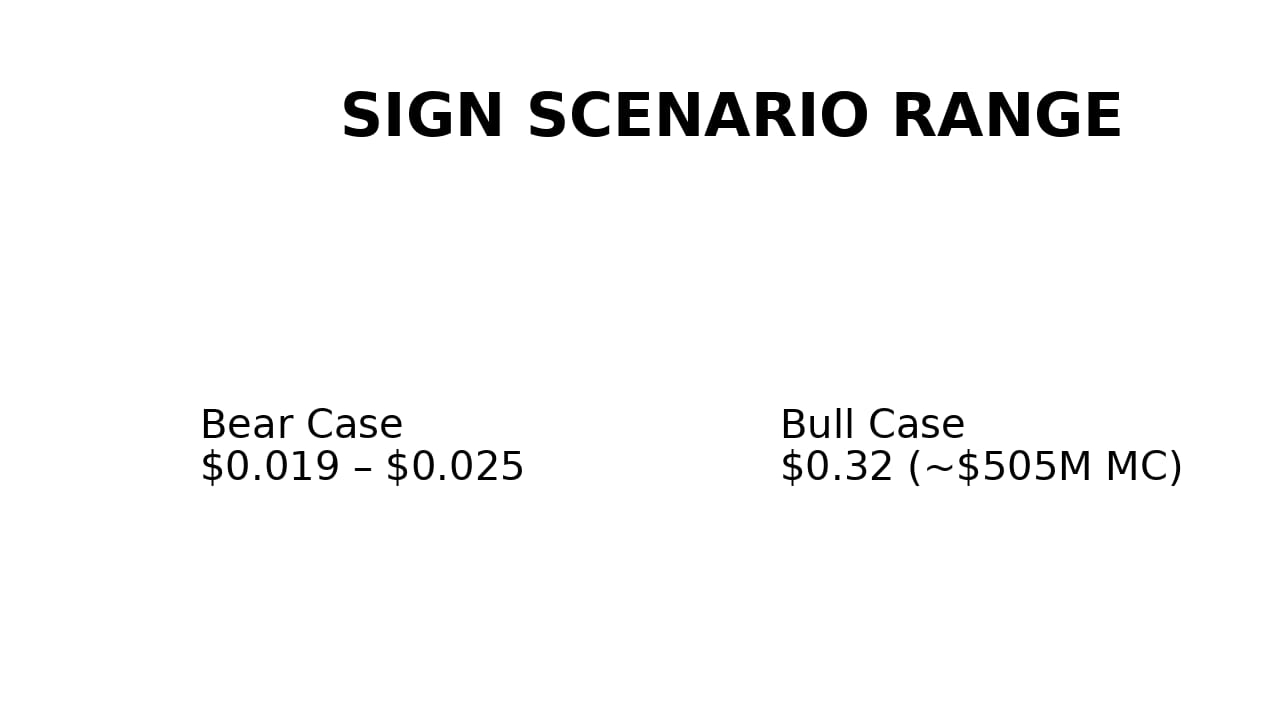 That’s fine for some use cases. It’s scary for others. Especially national ID or long-term records.
Decentralized storage helps, but it’s not magic. Availability is still an incentive problem. Someone has to care enough to keep files alive. No protocol escapes that.
So yeah. The tech is solid. The design is honest. The trade-offs are real. The token is early. The supply is heavy. The unlocks are coming.
Anyone talking about Sign without mentioning all of that is just selling vibes.
This isn’t a moonshot. It’s infrastructure. Slow adoption. Long timelines. Real risks. Real upside if it actually becomes boring and widely used.
If you’re looking for fireworks, this probably isn’t it.
If you’re looking for something that might quietly work while everything else breaks, then at least this one deserves a serious look.
That’s the whole picture. No hype. Just facts.
#SignDigitalSovereignInfra @SignOfficial $SIGN
