
I need to get this off my chest because I've been sitting on this take for a while and I'm tired of watching people miss it 😤
Everyone's debating $SIGN like it's just another identity token. Another attestation play. Another "cool Web3 concept that maybe has a use case someday."

Bro. BRO. You're looking at the wrong layer entirely.
Let me tell you what I actually see when I look at this project 👇
I see every government on earth sitting on top of payment infrastructure built in the 1990s. I'm not exaggerating. The systems moving billions between central banks every single day were designed before most of us had internet. They work — barely. Payments take hours. Sometimes days. Policy changes take months to roll out. Nobody has real-time visibility into anything.
And we found out exactly how broken this was during COVID.
Governments tried to send emergency payments to citizens. The money... disappeared into the pipes. Agencies had no idea where funds were sitting. People waited weeks for relief that should've taken hours. That wasn't a policy failure ser. That was infrastructure failure. At the worst possible time.
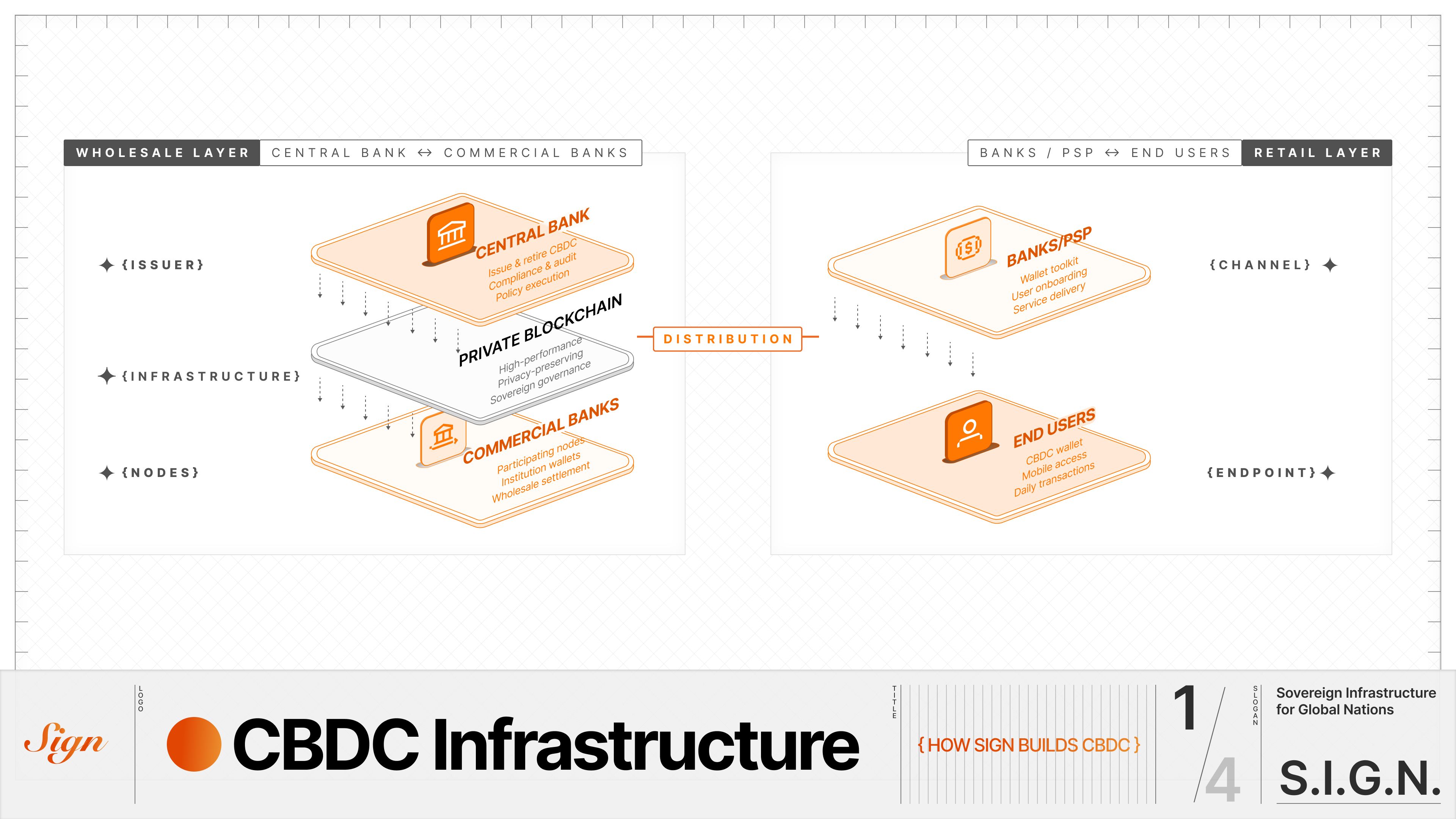
So when I tell you Sign isn't building an app or a stablecoin or trying to compete with Stripe — I mean it. What Sign is actually building is the operating system layer that sits between a central bank and every single person using that country's currency.
That's a completely different category. And the market hasn't priced it yet.
Here's what genuinely got me:
Sign integrates with existing RTGS systems instead of trying to replace them. This detail sounds boring but it's everything. Every country has spent billions on their payment backbone. You can't walk into a finance ministry and say "throw all of that away." Sign walks in and says "keep everything — we'll make it programmable." THAT is how you actually get government contracts signed.
And the G2P module? The Government-to-Person payments? This is the part that hit different for me ngl.
Right now when a government sends welfare, disaster relief, agricultural subsidies — that money touches 4 or 5 middlemen before it reaches a citizen's hands. Every hop = delay. Every delay = leakage. In developing markets this isn't a small inefficiency, it's a systemic failure eating real people's money.
Sign turns that into a direct, real-time, auditable transfer from treasury to citizen wallet. No middlemen. Full visibility. Programmable conditions.
I don't throw this word around lightly but — that's genuinely transformative for emerging economies.
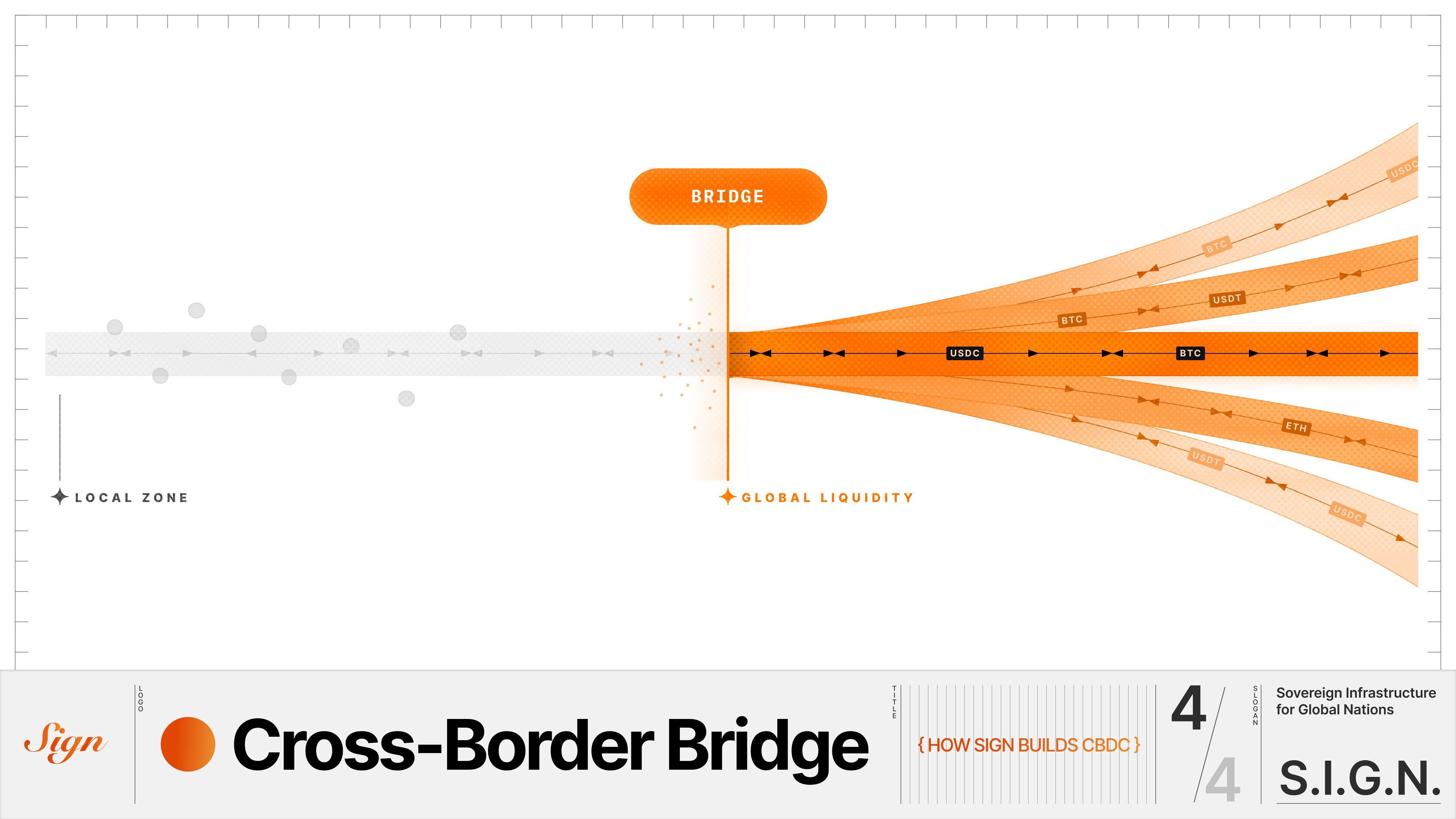
And THEN there's the bridge layer that barely anyone's talking about. Sign connects sovereign CBDCs directly to global liquidity pools — USDC, USDT, major public chains. A compliance-native, government-approved gateway between national fiat systems and the broader digital asset ecosystem.
That bridge doesn't exist at scale today. Sign is building it.
Look I've been in this space long enough to recognize when something is a solution looking for a problem vs a problem that's been sitting in front of every government on earth for 30 years waiting for a real answer.
Sign s the second one. And I think we're very early in people actually understanding what that means.
Not financial advice. Do your own research. But don't say nobody told you 👀