Alot of crypto still explains itself through movement of value, while many real systems fail because they cannot organize evidence properly.That is why I think the most serious reading of Sign Protocol may not be narrative at all. It may be operational. I do not mean that as a downgrade. In some ways, it is the opposite. Narrative gets attention. Operations determine whether anything survives contact with institutions.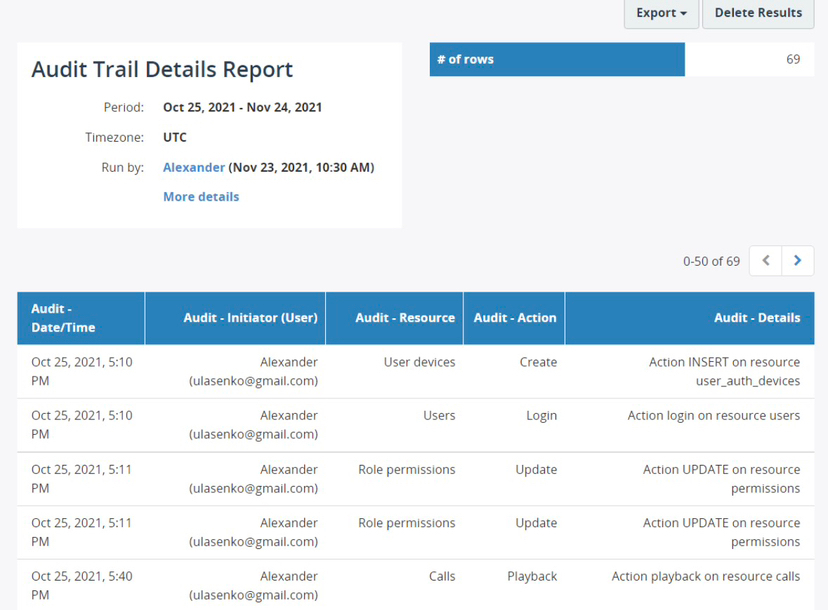
When I look at sovereign and institutional workloads, the problem is rarely just “can data be stored?” or “can a payment be sent?” Those are the easy layers. The harder question is whether a system can produce structured, attributable, queryable evidence across many actors without collapsing into spreadsheet chaos, vendor dependency, or unverifiable claims.@SignOfficial $SIGN #SignDigitalSovereignInfra
That is where Sign Protocol starts to look more interesting to me.The strongest interpretation, maybe, is not as a flashy consumer primitive. It is as shared evidence infrastructure: a way to define records, place data intentionally, anchor trust cryptographically, and make those records usable across workflows that need more than simple transfer rails.
That distinction matters.A payment tells me something happened.A structured record tells me what happened, who asserted it, under what schema, when it changed, what it was linked to, and whether another system can inspect it later without begging the original operator for context.That is a very different class of utility.What caught my attention here is the data placement question. Most teams still act like there are only two options: put everything onchain and pay for purity, or keep everything offchain and trust the database operator. In practice, serious systems usually need a more careful placement model.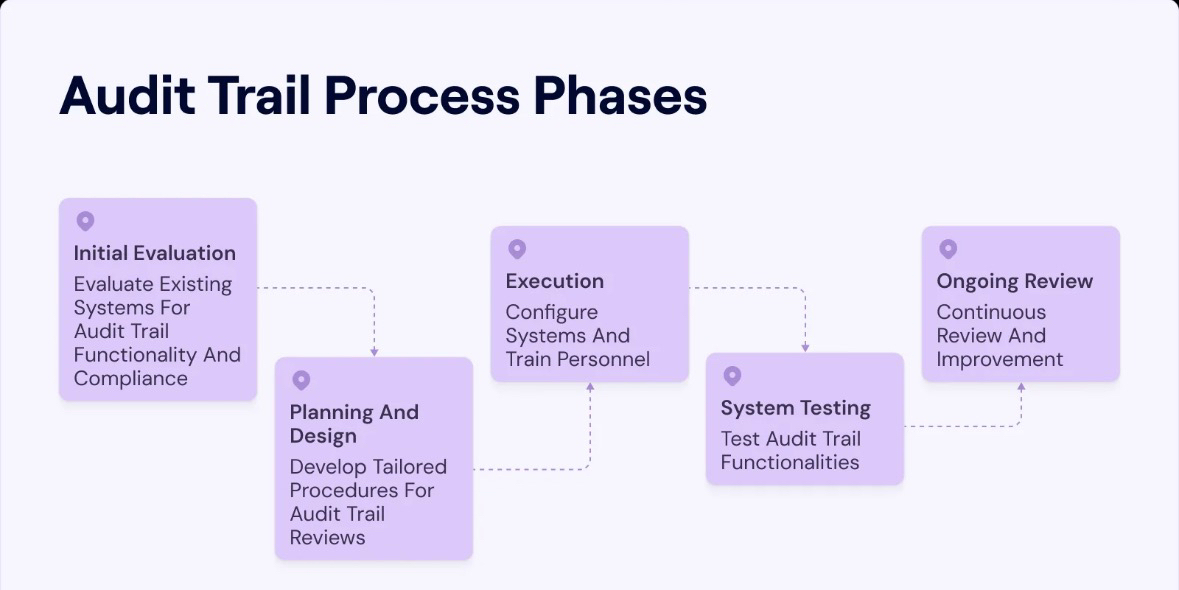
Some data should remain offchain because it is heavy, private, frequently updated, or operationally sensitive. Some data should be anchored onchain because you need tamper-evident finality, public verifiability, or cross-party trust minimization. The value is not in pretending one location solves everything. The value is in designing the relationship between the record, the evidence, and the anchor.
That is why I think verifiable anchors matter more than people admit.An anchor is not useful because it stores the whole world. It is useful because it creates a durable reference point. If a record changes, if a claim is challenged, if a downstream auditor asks for proof, the system can show that a specific structured statement existed in a specific form at a specific time. That does not eliminate trust completely, but it shrinks the room for informal rewriting.And once you combine that with queryability, the picture gets stronger.This is the part crypto often undersells. Evidence is only valuable if it can be found, filtered, linked, and interpreted. A perfect proof that nobody can query inside real workflows becomes a ceremonial artifact. Institutions do not just need truth claims. They need operational retrieval.They need answers to real, everyday questions.
Which approvals were issued under this policy version?
Which grants were marked complete but never reconciled?
Which records were anchored publicly but still reference missing offchain evidence?
Which departments used one schema while others drifted into incompatible versions?
Those are not narrative questions. Those are operational questions. And operations is where large systems either become governable or become theater.A small example makes this clearer.Imagine a public innovation fund distributing milestone-based grants to 800 teams. Each team submits progress evidence. Reviewers approve or reject. Treasury releases funds. Months later, an oversight body wants to inspect whether releases matched the approved conditions.
In the weak version of this system, you get PDFs, emails, dashboard screenshots, and a database export that only the vendor can interpret. Everyone insists the process worked. Nobody can reconstruct it cleanly.In the stronger version, submissions follow structured record schemas. Review decisions become attributable entries. Key state changes receive verifiable anchors. Sensitive material may stay offchain, but references and integrity proofs remain inspectable. Now the audit trail is not just a story told by the operator. It is a system of linked evidence.
That is a much more meaningful use of crypto infrastructure than another speculative wrapper around attention.I also think this framing explains why Sign Protocol may fit sovereign and institutional settings better than some people expect. These environments do not only care about censorship resistance in the abstract. They care about record discipline, accountability surfaces, interoperability between agencies or vendors, and the ability to preserve trust even when personnel, political priorities, or software providers change.
Structured records help because they create consistency.Verifiable anchors help because they create durable integrity checks.Data placement models help because they let systems balance privacy, cost, and transparency without pretending those goals naturally align.
Of course, there are tradeoffs.More structure can create more friction at the start. Schemas have to be designed well. Governance around who can write, update, or revoke records becomes important fast. Poor query layers can still make good evidence hard to use. And anchoring data does not magically make the underlying claim true; it only makes the record harder to quietly rewrite. That is an important limitation.
So I am not saying Sign Protocol solves institutional trust. I am saying it may improve one of the weakest layers in modern digital coordination: the layer where claims need to become durable, inspectable records instead of scattered operational memory.That feels more serious to me than most crypto narratives.Speculation is easy to notice because price moves are loud. Evidence infrastructure is quieter. But quiet infrastructure is often what actually determines whether systems scale without losing accountability.
Maybe that is the real role here. Not a new story for crypto to tell about itself, but a shared substrate for making institutional records more legible, portable, and verifiable across time.If that reading is right, then the question is not whether Sign Protocol looks exciting enough as a narrative asset. The question is whether crypto has been undervaluing protocols that make evidence usable, not just assets transferable.
Does crypto underestimate protocols that organize evidence instead of value speculation?@SignOfficial $SIGN #SignDigitalSovereignInfra 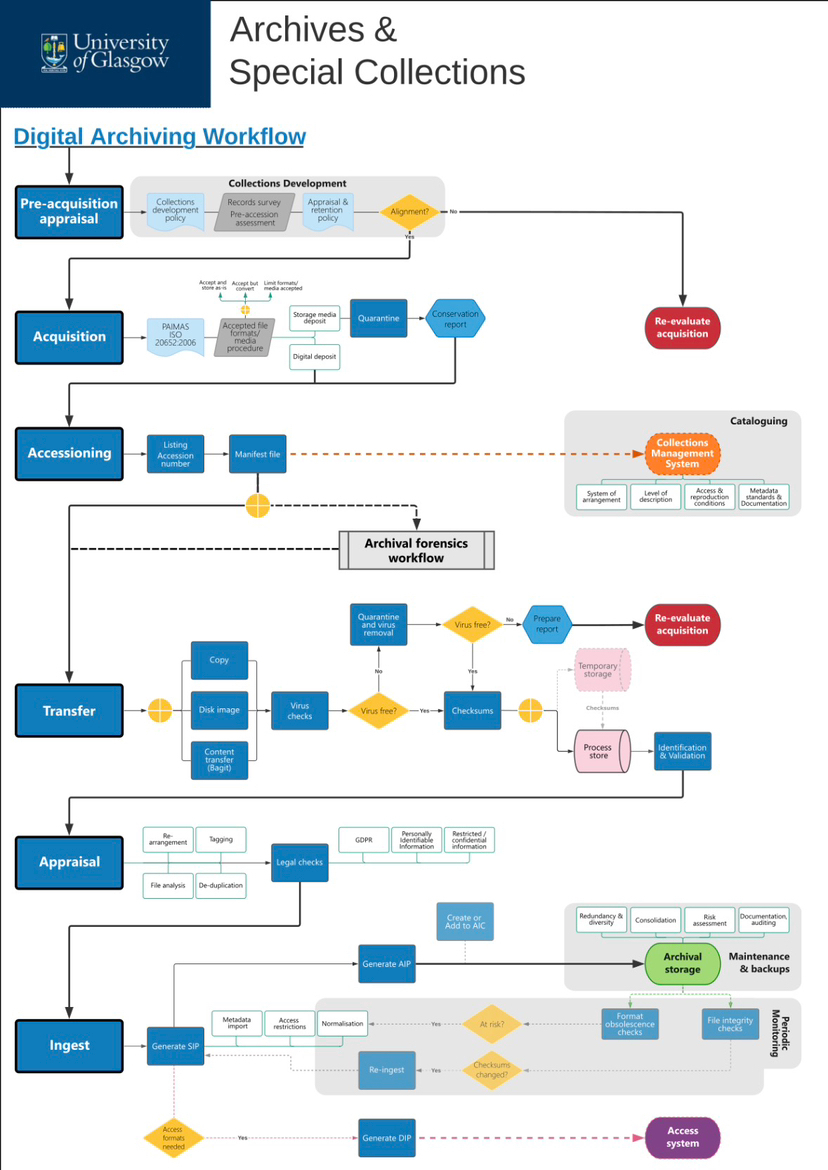

Article
Sign Protocol May Matter More in Operations Than Narrative

--
Disclaimer: Includes third-party opinions. No financial advice. May include sponsored content. See T&Cs.