

Alright. I want to be honest today because I think honesty is what this community actually needs more of . 💥
When I first saw SIGN trending I did what most of you probably did. I checked the chart. I looked at the market cap. I skimmed a few Twitter threads. My initial reaction was "another attestation protocol, whatever." I almost moved on.
Then something made me actually read the documentation. Like really read it. Not the marketing summary. The actual architecture pages at docs.sign.global. And I spent about 5 days going through everything. The S.I.G.N. overview, the Sign Protocol evidence layer, the CBDC architecture, the New ID System, the New Capital System. All of it.
And I want to share what genuinely surprised me because I think it changes the investment and utility thesis completely.
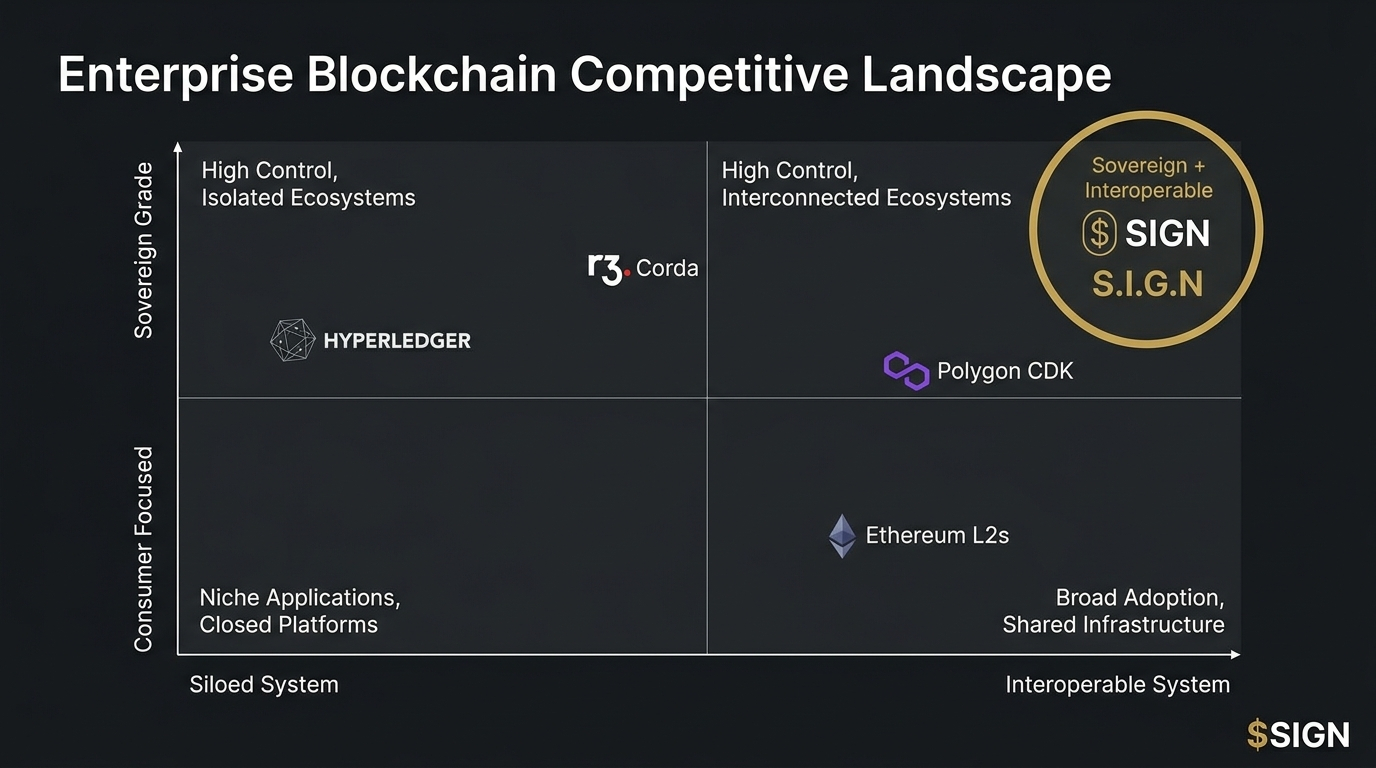
First thing that surprised me: this is not an attestation startup trying to be a blockchain. It is an infrastructure company building for governments. There is a massive difference in how you evaluate those two things. Consumer apps compete on user experience and marketing. National infrastructure competes on security, standards compliance, interoperability, and trust. Sign is playing the second game and doing it seriously.
The ISO 20022 compatibility detail is not a footnote. It is strategically critical. ISO 20022 is the messaging standard that the global banking system is migrating to right now. SWIFT is adopting it. Central banks are adopting it. If you want to build digital infrastructure that real banks will actually integrate with, you need to speak this language. The fact that Sign's CBDC architecture is ISO 20022 compatible means it is speaking the native language of the institutions it is targeting.
Second thing that surprised me: the dual token philosophy of the broader Midnight network (which I have been researching alongside Sign) versus Sign's attestation approach shows me that the smartest builders in this space understand something important. You cannot build national infrastructure on a single monolithic blockchain model. You need flexible architecture that can be public or private, transparent or shielded, depending on the use case. Sign Protocol's design with public, private, ZK based, and cross chain attestations reflects this same sophistication.
Third thing: the Middle East focus is not marketing. It is architectural alignment. The Gulf states want sovereign systems. S.I.G.N. is literally called Sovereign Infrastructure for Global Nations. The governance model puts policy and oversight under the institution's control. This is not "decentralize everything and let the market sort it out." This is "here is infrastructure you can actually govern within your legal and political framework." That pitch lands very differently in
Riyadh and Abu Dhabi than a typical DeFi protocol does.
Now let me give you my honest concerns too because I promised honesty.
My concern is adoption timeline. Building for governments is slow. Government procurement cycles are measured in years not months. The infrastructure might be architecturally ready long before the first major sovereign deployment happens. This is a patience play, not a momentum play. If you are looking for a 3x in 90 days this might not be your instrument.
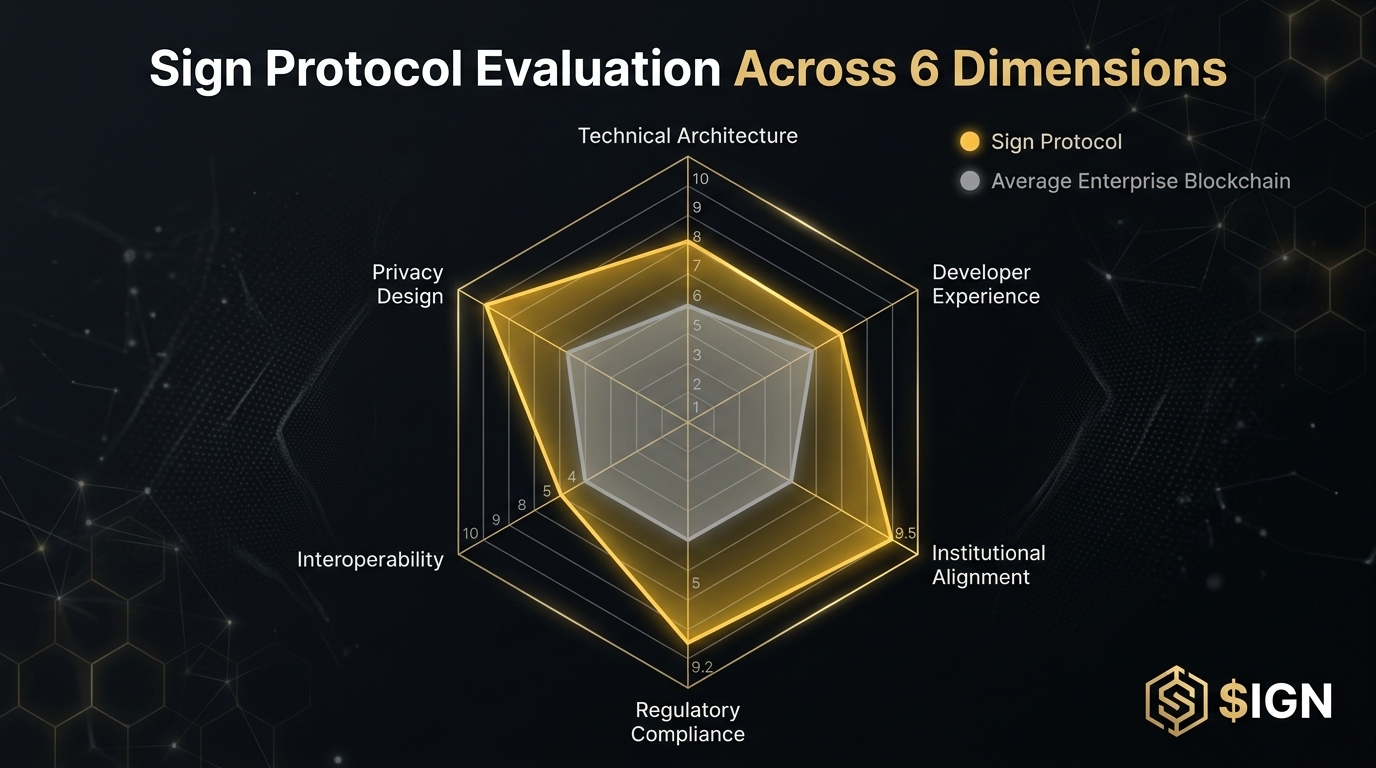
My concern is also competitive landscape. Enterprise blockchain is contested territory. Hyperledger, R3 Corda, Quorum, and others have been in this space for years with existing government relationships. Sign needs to demonstrate not just technical superiority but institutional trust that takes time to build.
But here is why I am still genuinely bullish on SIGN after weighing all of this.
The attestation and evidence layer is actually differentiated. Most enterprise blockchain platforms focus on the transaction settlement layer. Sign is focused on the verification and trust layer above it. That is a different problem and honestly a more universal one. Payments infrastructure is geographically specific. Trust and verification infrastructure is universal. Every digital government program in the world needs what Sign is building.
And the Middle East timing is genuinely good. The region is spending heavily on digital transformation right now. Political will exists. Budgets exist. The question is which infrastructure providers get into these conversations early. If @SignOfficial is already in those rooms then the timeline concern matters less.
My personal take after a week of research: I am treating $SIGN as a long duration infrastructure position, not a trade. It is the kind of project you look back on in 3 years and say "of course, it was obvious."
Do your own research. But if you have not read the actual docs yet, please do that before making any decision. It will change how you see this project.
@SignOfficial #SignDigitalSovereignInfra $SIGN
