
I’ve been watching the evolution of Web3 closely, and one pattern keeps repeating itself. We build faster chains, cheaper transactions, more scalable systems—but we still struggle with something fundamentally human: trust. Not abstract trust, but verifiable, provable, onchain truth. That’s exactly where SIGN quietly steps in, and in my view, it’s solving a problem most people haven’t fully understood yet.
SIGN isn’t trying to compete with execution layers or liquidity hubs. It’s positioning itself in a much more foundational place—the verification layer. And that matters more than it sounds. Because every contract, every transaction, every identity claim eventually comes down to one question: can this be trusted without relying on a centralized authority?
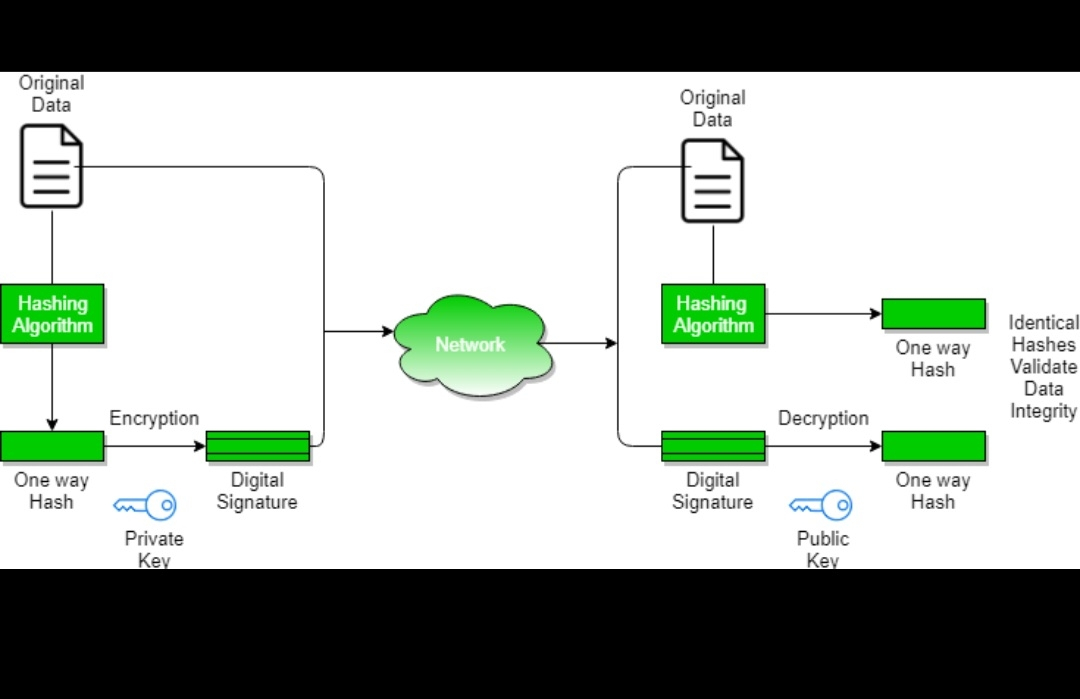
What I find compelling is how SIGN reframes signatures. In traditional systems, signatures are static proofs—documents signed and stored. In Web3, $SIGN turns them into dynamic, programmable primitives. That shift is subtle but powerful. It means verification is no longer an endpoint. It becomes a living component of applications.
Think about what that unlocks.
Instead of fragmented identity systems, you get unified, verifiable credentials. Instead of opaque governance, you get transparent, signed participation. Instead of blind trust in protocols, you get cryptographic accountability embedded directly into the system.
And the timing couldn’t be better.
We’re entering a phase where Web3 is no longer just about experimentation. Real users, real capital, real institutions are stepping in. And with that comes a demand for reliability. Not hype. Not narratives. Actual verifiable systems that can hold up under scrutiny.
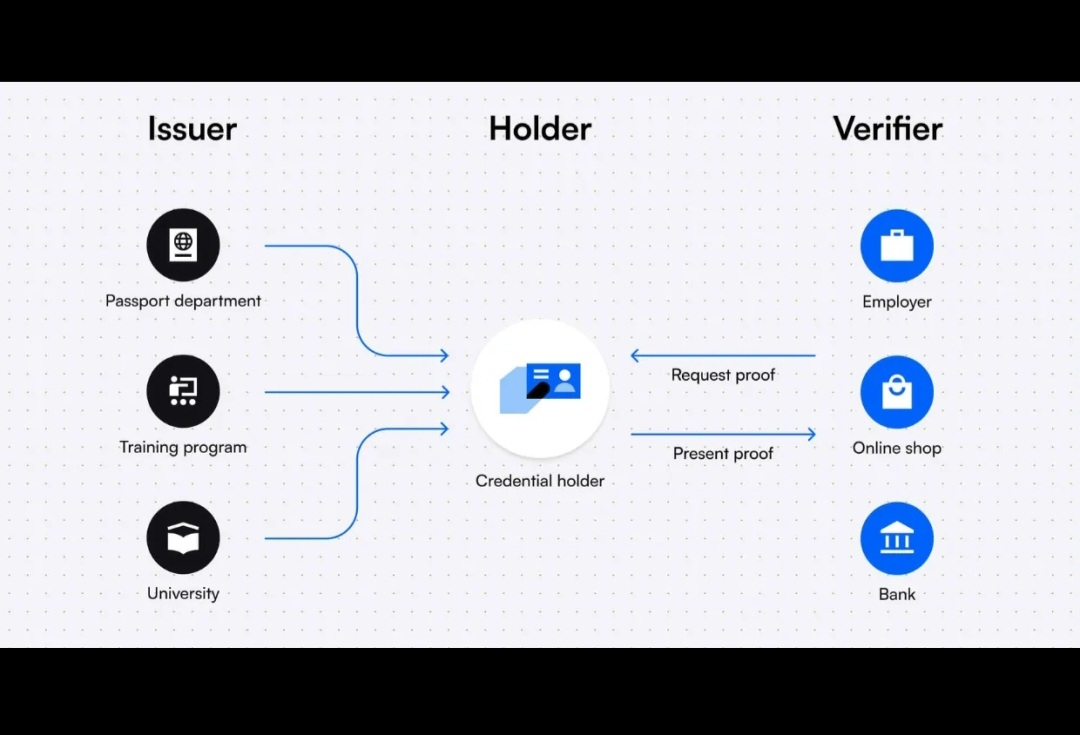
That’s where SIGN feels different to me.
It’s not loud. It’s not chasing attention. It’s building something that other systems will quietly depend on. And historically, those are the layers that matter the most. The ones you don’t see, but everything breaks without them.
What really stands out is the composability angle. SIGN doesn’t lock itself into one use case. It acts as a primitive that can plug into multiple verticals—governance, identity, compliance, even social layers. That flexibility is what gives it long-term relevance.
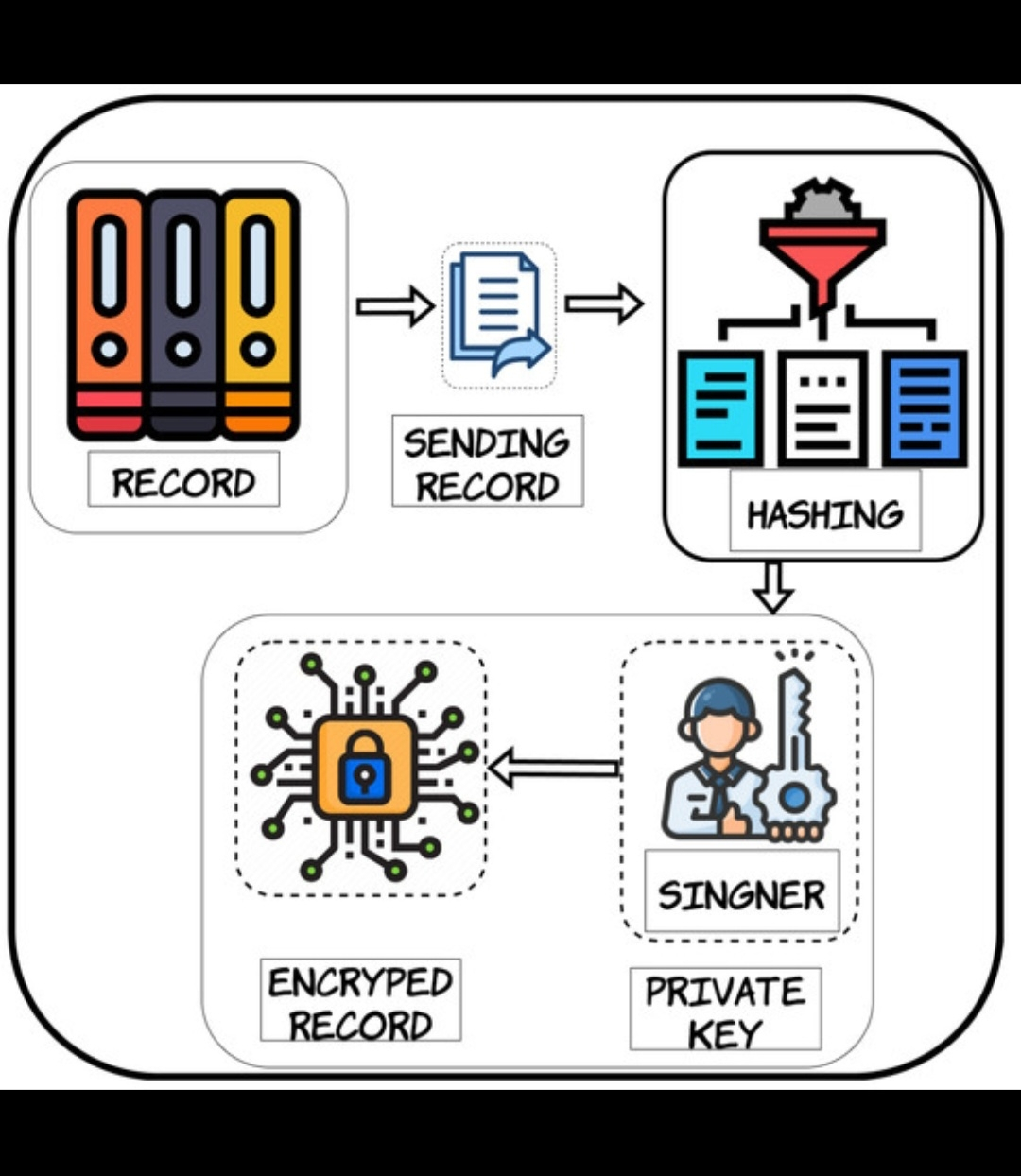
Because if Web3 is going to scale beyond speculation, it needs systems that can prove things—ownership, intent, agreement—without ambiguity.
And right now, most projects are still patching that problem with workarounds.
SIGN is building it as a core feature.
From my perspective, that’s the difference between something that trends and something that lasts.
I’m not lookingSIGN as a short-term narrative. I’m looking at it as infrastructure that other narratives will eventually rely on. And once that dependency forms, it becomes very hard to replace.
That’s when a project stops being optional—and starts becoming necessary.