
Midnight is one of those projects that didn’t just catch my attention — it actually made me rethink how privacy is supposed to work onchain.
Because after spending time around different ecosystems, one thing became very obvious to me… most blockchains were never really built for real-world usage when it comes to sensitive data. Everything being public sounds good in theory, but the moment you think about things like financial activity, identity, or even simple user interactions, it starts to feel limiting.
That’s exactly where Midnight started making a lot more sense to me.
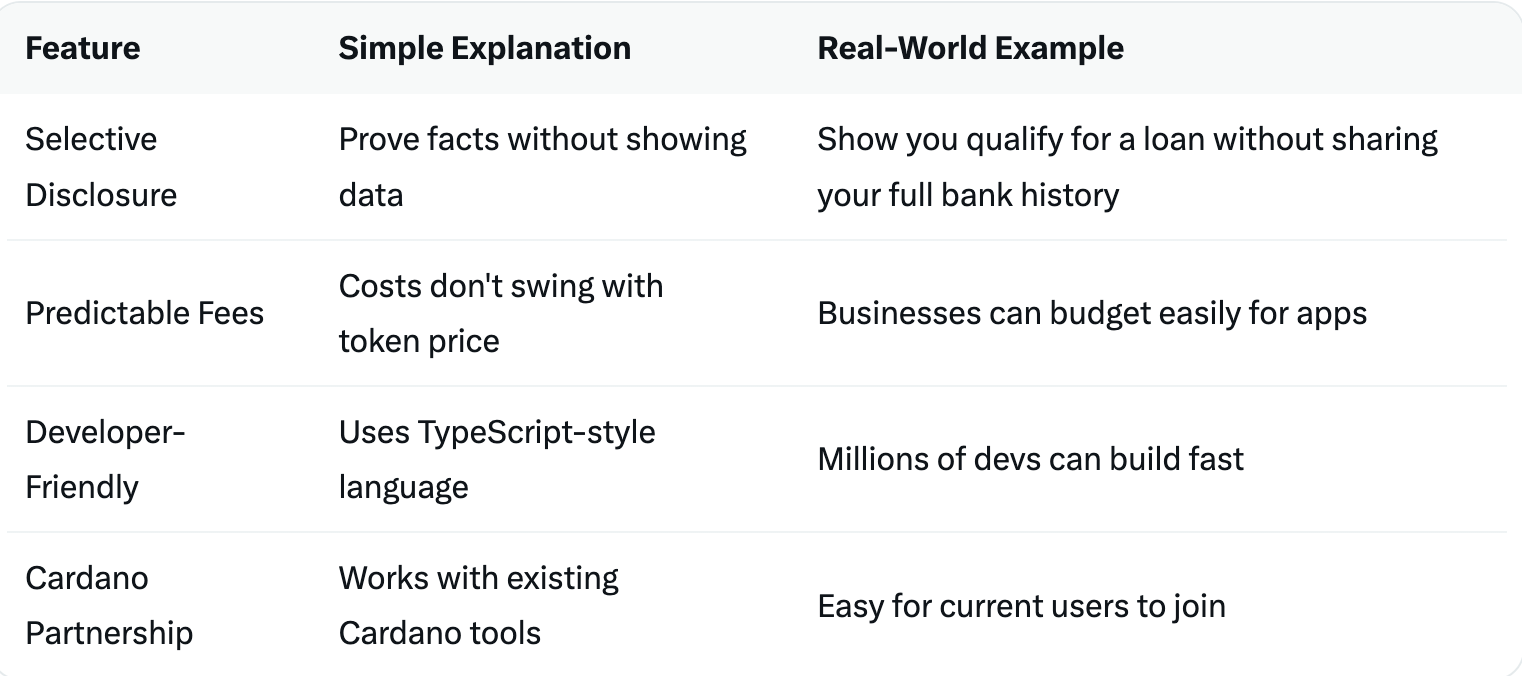
Instead of forcing everything into full transparency, it gives you a way to prove things without exposing what’s behind them. You’re not just hiding data — you’re controlling how it’s revealed, and that changes everything about how applications can be built.
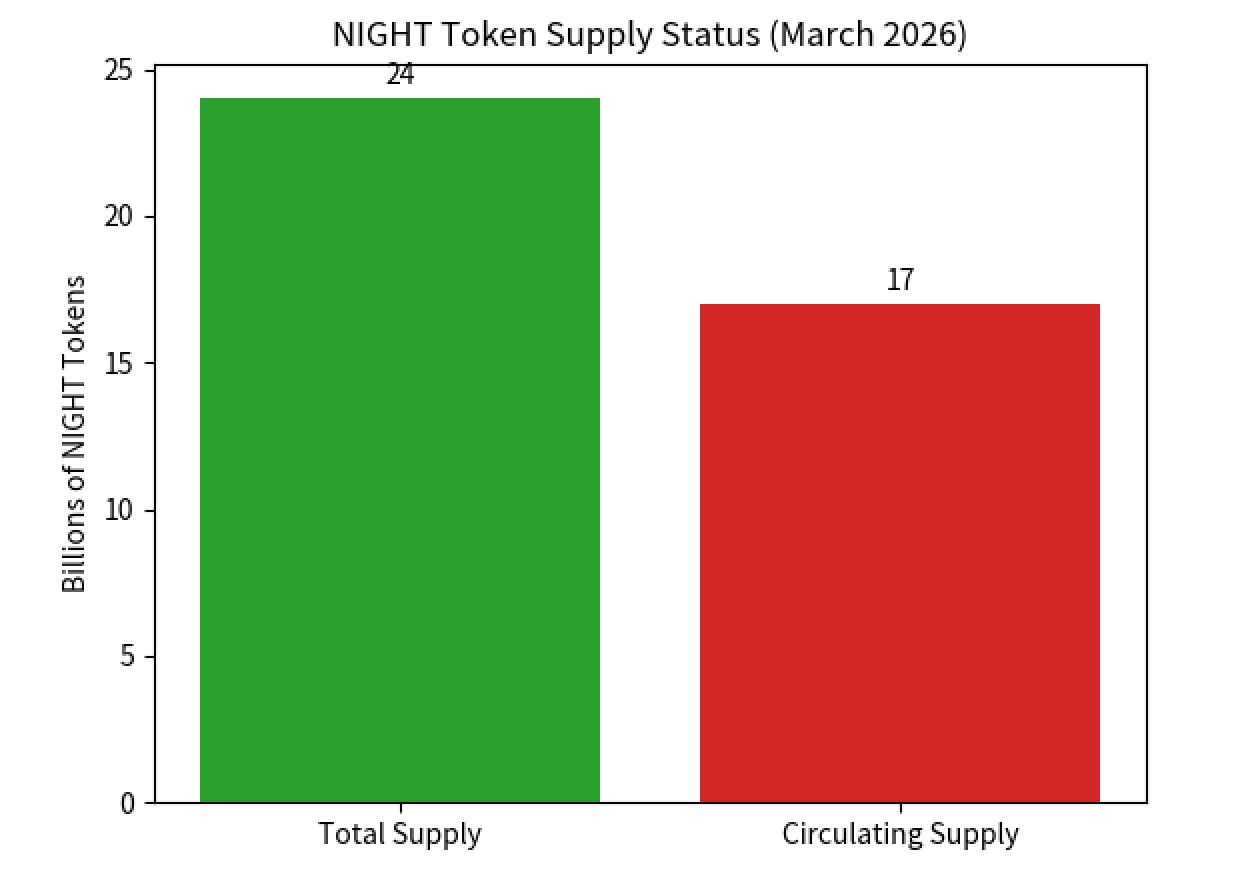
How Midnight Actually Works (From What I’ve Seen)
Spending time understanding how Midnight is structured, what stood out to me is how intentional everything feels.
The use of zero-knowledge proofs isn’t just there for the sake of saying “we have privacy.” It’s actually applied in a way that lets you confirm something is true without exposing the underlying information. That’s a big shift from how most systems operate.
Then there’s the dual-ledger design, and this is something I found really interesting.
Instead of going fully private or fully public, Midnight splits the two in a way that actually makes sense. Some parts of the data stay shielded, while other parts remain visible for verification. It’s not extreme in either direction — it’s balanced in a way that feels usable.
And from a builder’s perspective, the fact that it uses a language like Compact, which is close to TypeScript, lowers the barrier a lot. You don’t need to be deep into cryptography to start building something meaningful here.
Where It Starts to Feel Practical
The more I thought about it, the more I realized this isn’t just about privacy as a concept — it’s about making it usable in real scenarios.
Take something like voting or financial interactions.
Instead of everything being exposed, you can have systems where actions remain private, but outcomes are still verifiable. That’s a completely different experience compared to what most blockchains offer today.
And it doesn’t stop there.
You can start imagining applications where businesses can prove compliance without exposing customer data, or where users can interact freely without leaving a fully traceable footprint behind. That kind of flexibility is something I haven’t really seen implemented this cleanly before.
The NIGHT Token — Why It Feels Different
Looking into the token side, what I found interesting is how Midnight separates usage from ownership.
NIGHT itself isn’t something you’re constantly spending for every interaction. Instead, holding it generates DUST, which acts more like a resource you use for transactions and smart contracts.
That design actually makes a lot of sense the more you think about it.
Because instead of constantly reducing your main holdings just to use the network, you’re working with a system where your core asset stays intact while still powering activity. It feels more sustainable, especially for long-term users.
Distribution and Community — This Part Stood Out
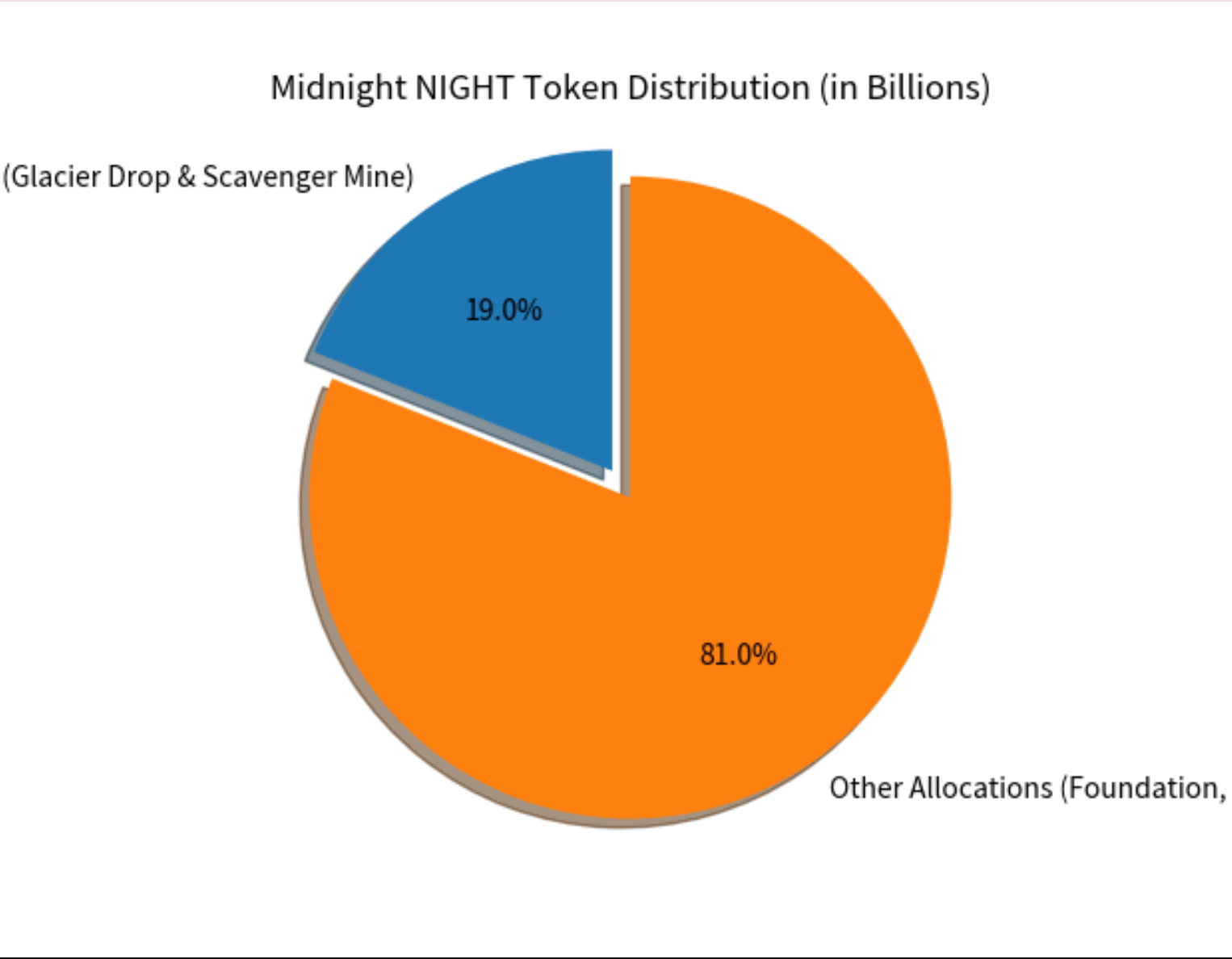
One thing I paid attention to was how the tokens were distributed, and honestly, it’s hard to ignore the scale.
Over 8 million wallets involved early on isn’t something you see often. The Glacier Drop alone reaching multiple ecosystems like Bitcoin, Ethereum, and Cardano shows they weren’t trying to keep this closed or limited.
It felt more like they were trying to spread ownership as wide as possible from the beginning.
And the gradual unlock structure also shows some level of control — avoiding that typical situation where everything floods the market at once.
Where Midnight Is Right Now
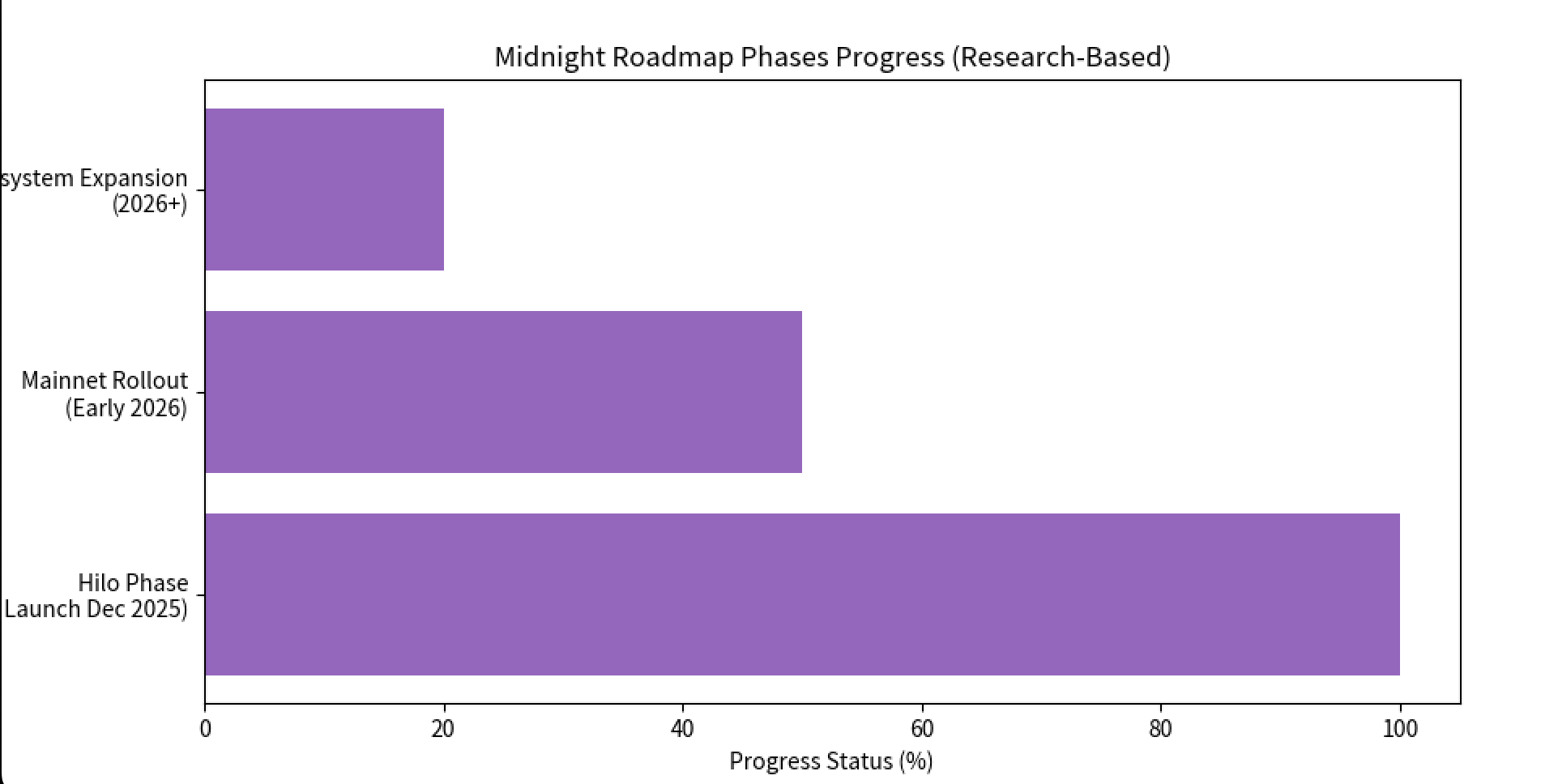
Looking at where things stand currently, it still feels early — but not in a “nothing is built” kind of way.
The foundation is already there.
Mainnet is rolling out in phases, adoption is starting to take shape, and the connection to the Cardano ecosystem gives it a base to grow from without starting from zero.
From how I see it, the next phase really comes down to how developers start using it.
Because the tech is there — now it’s about what gets built on top of it.
So… Should You Invest?
From my perspective, Midnight isn’t trying to compete by being louder — it’s trying to fix something that has been quietly limiting the space for a long time.
Privacy has always been treated as either fully on or fully off.
Midnight doesn’t follow that.
It introduces something more flexible, something that actually fits how real systems are supposed to work.
If the ecosystem builds out properly and real applications start taking advantage of what’s already there, I can easily see this becoming one of those projects people look back on and realize it was addressing the right problem early.
For me, that’s what makes it interesting.
Not just the tech.
But the direction it’s pushing the space toward.
$NIGHT @MidnightNetwork #night