
SIGN is one of those projects I didn’t fully appreciate at first… until I started paying attention to how much of Web3 still runs on assumptions instead of actual proof.
The more I interacted with different ecosystems — airdrops, whitelists, community contributions — the more I kept running into the same pattern. A lot of things depend on trust, but there’s no consistent system backing that trust. You’re either explaining yourself, proving things manually, or relying on platforms to validate you.
That’s where SIGN started making real sense to me.
Because instead of patching one part of the problem, it’s building a full system around two things I’ve seen break down constantly — verification and distribution.
Sign Protocol handles proof.
TokenTable handles execution.
And once you see how those two connect, everything starts clicking.
What Sign Protocol Actually Feels Like to Use
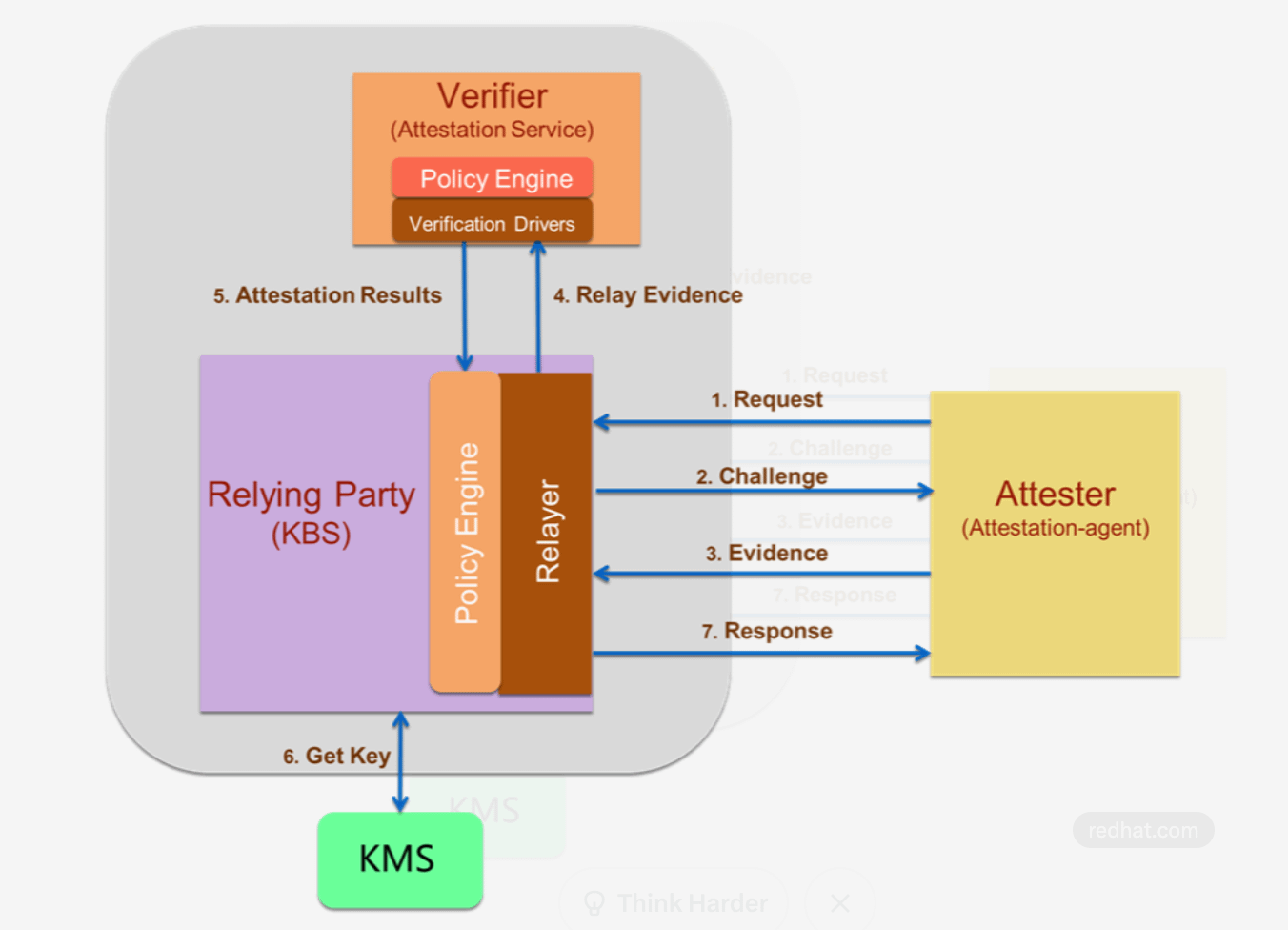
Getting into Sign Protocol, what stood out to me wasn’t just the idea of attestations — it was how practical they become once you think through real scenarios.
Instead of constantly saying “I did this” or “I qualify for that,” you’re dealing with something that can actually be verified without going through layers of manual checks. That alone changes how you interact across platforms.
What I found interesting is how flexible it is.
You’re not forced to expose everything about yourself just to prove one thing. The system allows you to confirm what matters without revealing unnecessary details, which honestly feels like the right balance between privacy and usability. It’s not extreme in either direction — it just works the way it should.
And the fact that it works across multiple chains makes it even more practical. You’re not stuck repeating the same process everywhere. Once something is verified, it becomes something you can actually carry with you.
How It Starts Making Sense in Real Use
Spending more time around it, I started thinking less about the tech itself and more about how it applies.
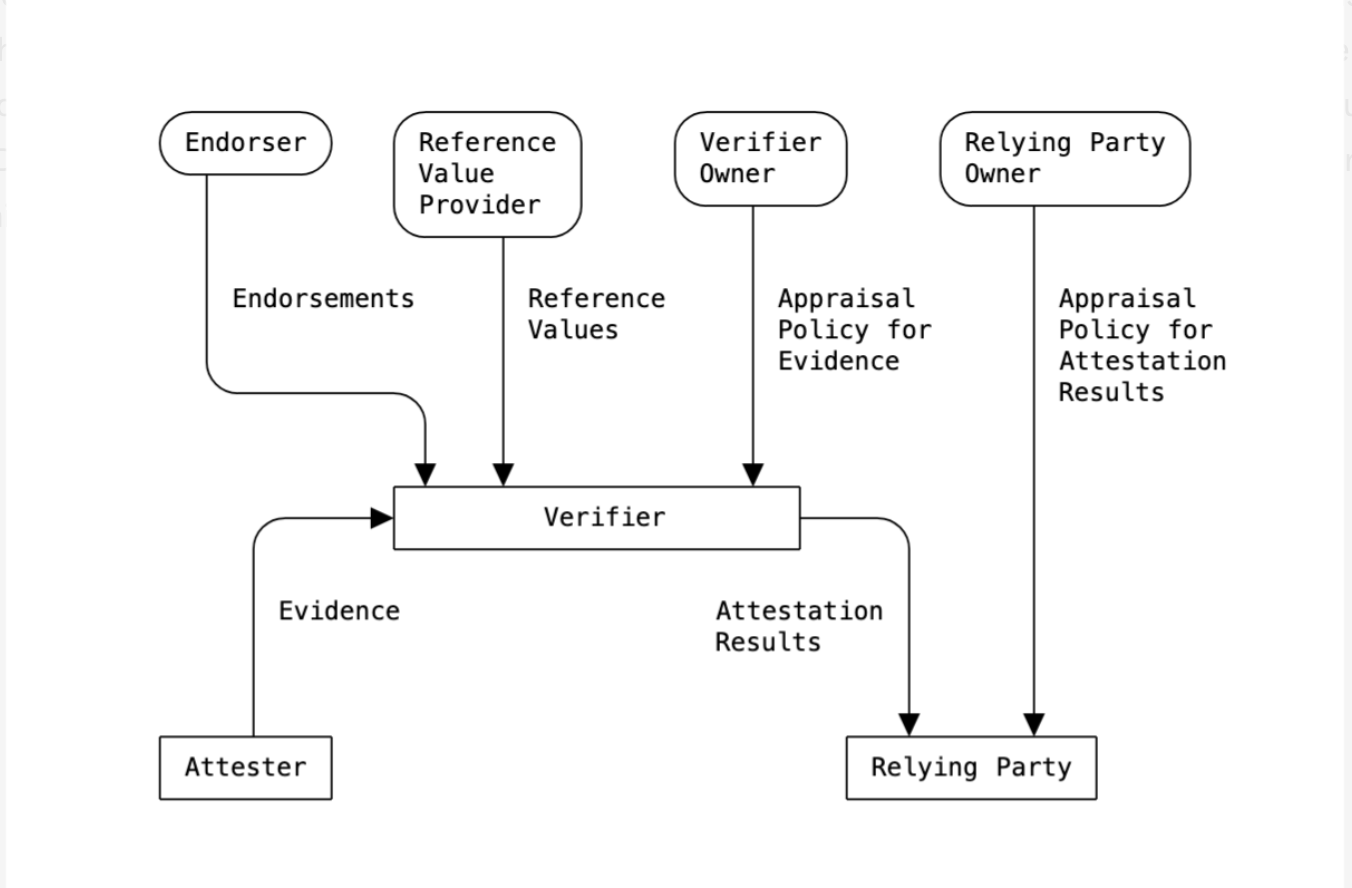
Things like identity, contributions, reputation — these aren’t new ideas in Web3, but they’ve always felt fragmented. Everything lives in separate platforms, and none of it really connects in a way that carries weight.
With Sign Protocol, that fragmentation starts to disappear.
You’re not rebuilding your identity every time you move. You’re not re-explaining your contributions. There’s a structure behind it that makes those things verifiable without depending on who’s reviewing you at that moment.
That’s a completely different experience from what most people are used to.
TokenTable — Where Things Actually Get Real
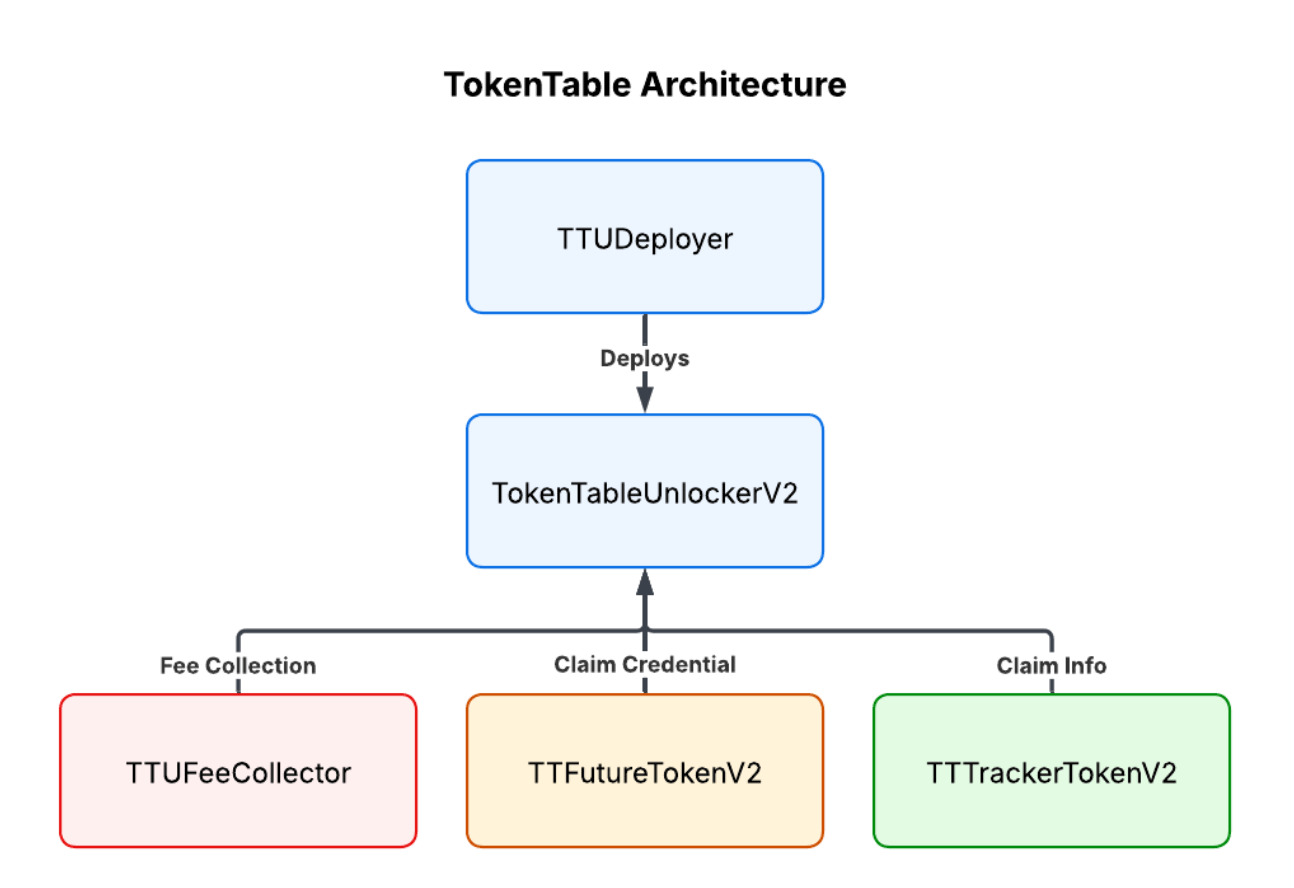
Then there’s TokenTable, and this is where things get very practical very quickly.
I’ve seen how messy token distributions can get — unclear allocations, manual processes, people getting skipped even when they were early or active. It’s one of those things everyone complains about, but very few systems actually fix properly.
TokenTable approaches it in a way that feels structured.
Instead of relying on spreadsheets or internal decisions, everything runs based on predefined logic. Who gets tokens, when they unlock, and under what conditions — it’s all handled in a way that doesn’t require constant intervention.
And when you connect that with Sign Protocol, it becomes even more powerful.
Because now eligibility isn’t based on assumptions anymore. It’s tied to something verifiable. Participation can actually be measured, and distribution can follow that logic without breaking down halfway.
That removes a lot of the uncertainty people usually have around these processes.
When Both Pieces Come Together
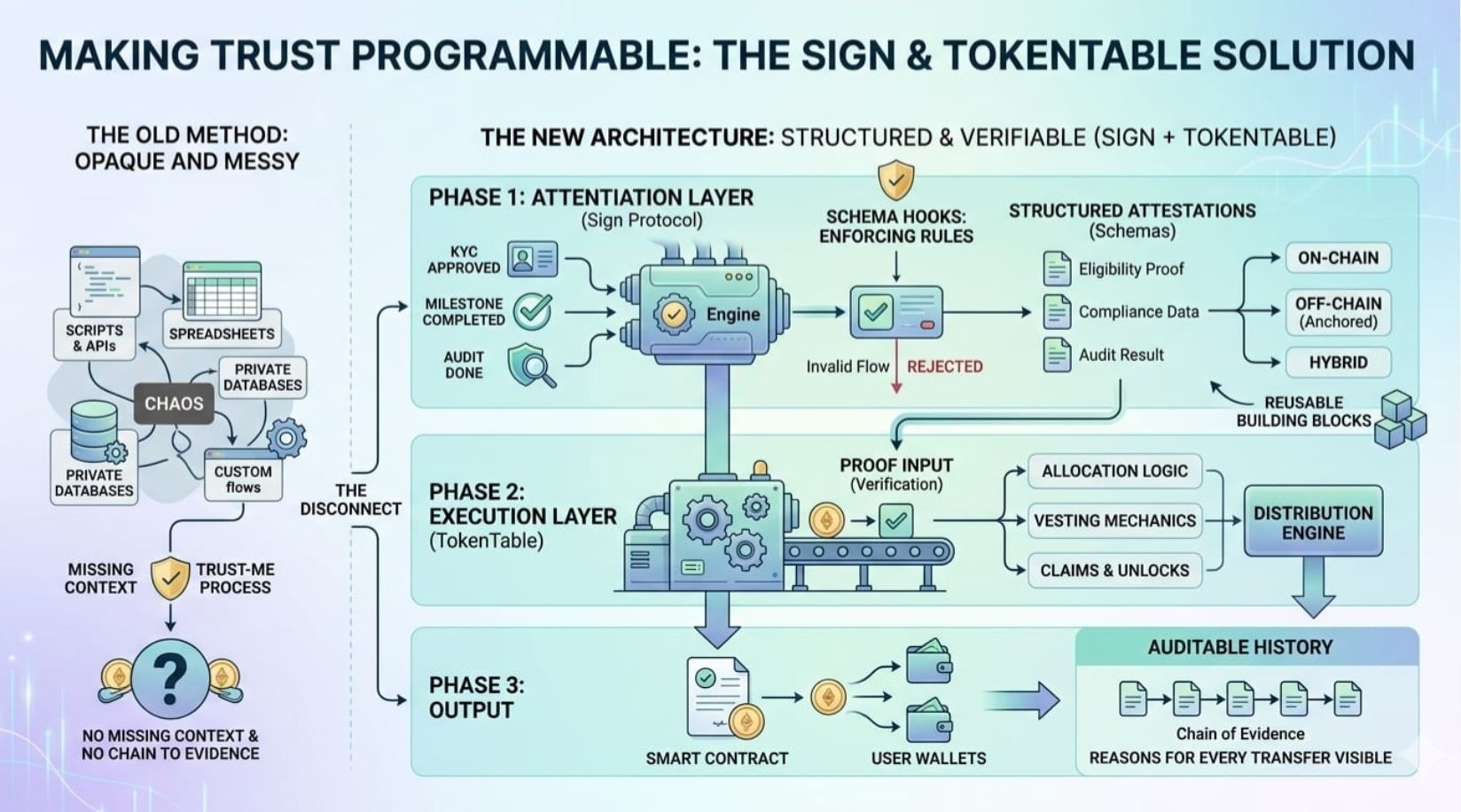
This is the part that really made everything click for me.
On their own, both products make sense.
But together, they solve something much bigger.
You have one system defining who qualifies based on verifiable data, and another system executing what happens next based on that data. No guesswork, no manual intervention, no hidden decisions in the background.
Everything flows.
And once you think about how many processes in Web3 still rely on off-chain coordination, you start realizing how important that is.
Seeing It Beyond Just Crypto
What made me take this more seriously is realizing this isn’t limited to just airdrops or DeFi use cases.
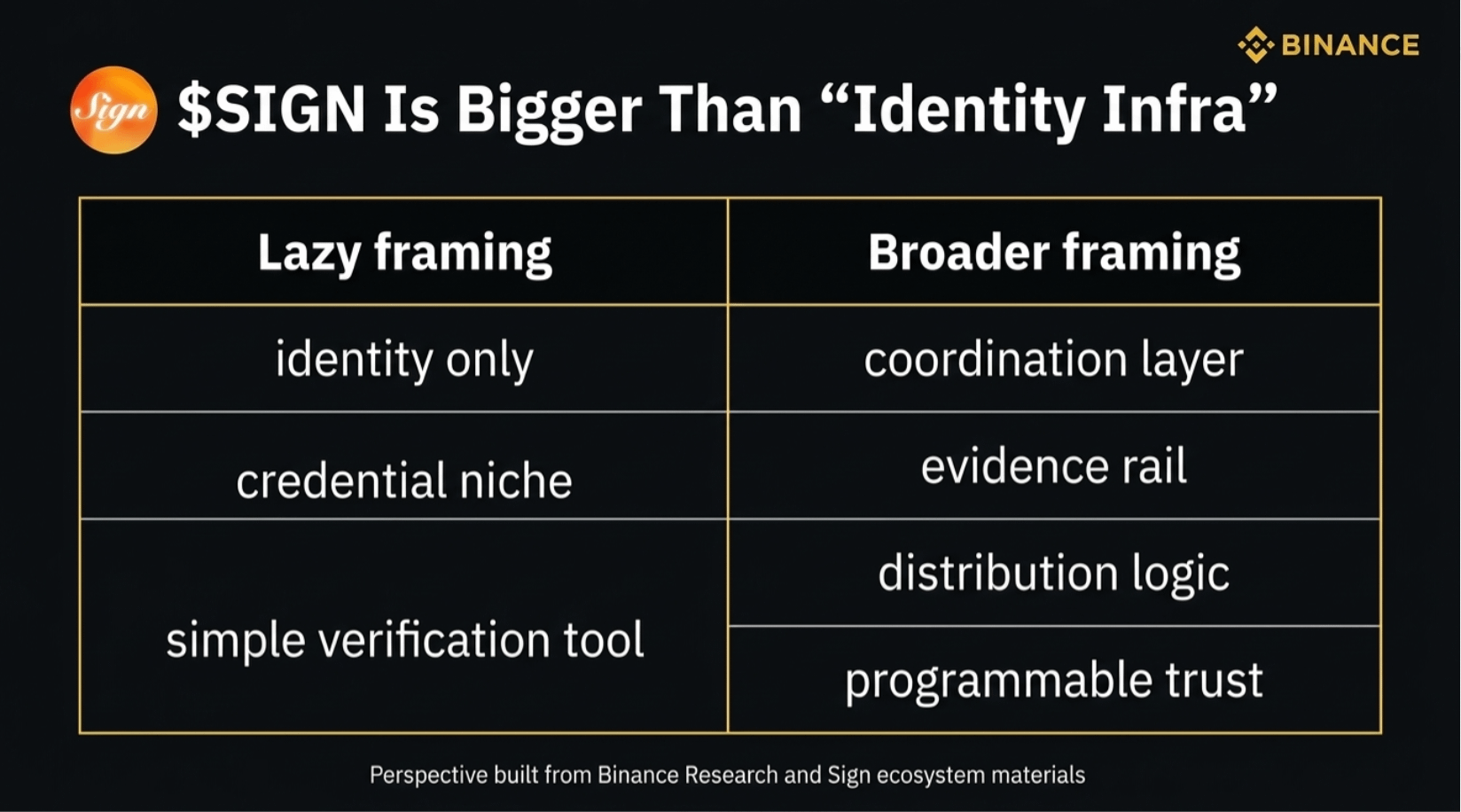
The same structure applies to things like digital identity, certifications, compliance, even government-level systems where verification and distribution need to happen at scale without breaking.
That’s where the idea of “infrastructure” actually starts to make sense.
Because this isn’t just solving one problem — it’s creating a system that multiple industries can plug into.
The Token Side — How It Powers the Ecosystem
Looking into the SIGN token itself, what I found interesting is that it’s not just sitting there as a placeholder.
It’s directly tied to how the system runs — from creating attestations to powering distributions and governance. That connection to real usage matters, especially for something positioned as infrastructure.
It’s still early, no doubt about that.
But when you combine real usage, revenue flow, and growing adoption, it starts to look less like speculation and more like something building actual economic weight over time.
Why This Actually Matters To Me As A Real User
The more I’ve sat with what SIGN is building, the more it feels like one of those layers that Web3 has been missing from the start.
Not louder narratives.
Not more tokens.
Just something that makes systems work better together.
Because at the end of the day, trust hasn’t disappeared in Web3 — it’s just been poorly structured.
SIGN doesn’t try to remove it.
It makes it verifiable.