

Three bad habits that make you lose money repeatedly, see how many you have?
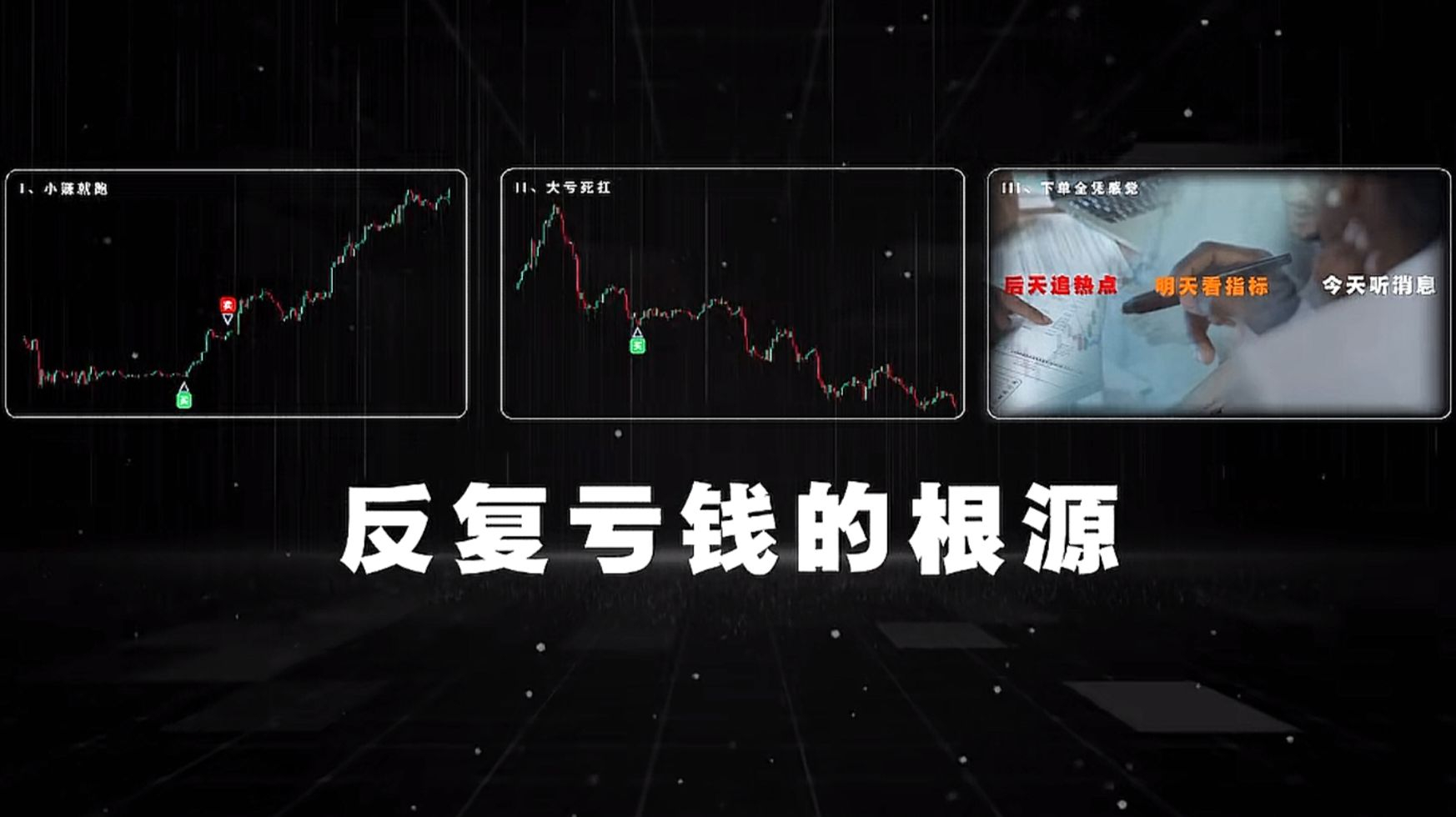
First: Take small profits and run
Just earned a bit of money and got scared and fled; as a result, just after selling it, it skyrocketed, and in the end, I could only slap my thigh in regret;
Second: Hold on through big losses
Watching the account go from floating losses bit by bit, ultimately being halved, yet still fantasizing about a V-shaped reversal to save you;
Third: Order purely based on feeling
Today listen to the news, tomorrow look at the indicators, the day after go chase hot topics, with no strategy at all, this is the root of your repeated losses, it's not that your skills are lacking, but rather you lack a trading system that can change these bad habits of yours
Today, I will teach you in plain language how to build your own trading system, simple enough to be only five steps:
1. Trading positioning and cycle selection
2. Determine trend direction
3. Identify key areas in the trend cycle.
4. Wait for entry confirmation
5. Formulate a complete trading plan.
Step 1: Trading positioning and cycle selection
First, clarify your own positioning.
①What market are you trading?
Stocks, futures, or cryptocurrencies
②Which cycle are you trading?
Long-term holding or day trading high frequency
③What is your goal?
Stable asset growth or pursuit of high risk and high return
④What market is your personality suited for?
Suitable for trending or ranging markets
Understand who you are, your habits and personality, and the trading style you prefer. This relates to which aspect your trading system should focus on!
Step 1: Trading positioning and cycle selection
Assuming you identify yourself as a day trend trader, then the 1-hour chart is your trend cycle used to determine the big direction; the 15-minute chart is your trading cycle used to find precise entry points; the goal is to follow the big trend, counter the minor trend, and accurately capture the point where the small cycle pullback ends in accordance with the big cycle trend.
Step 2: Determine trend direction
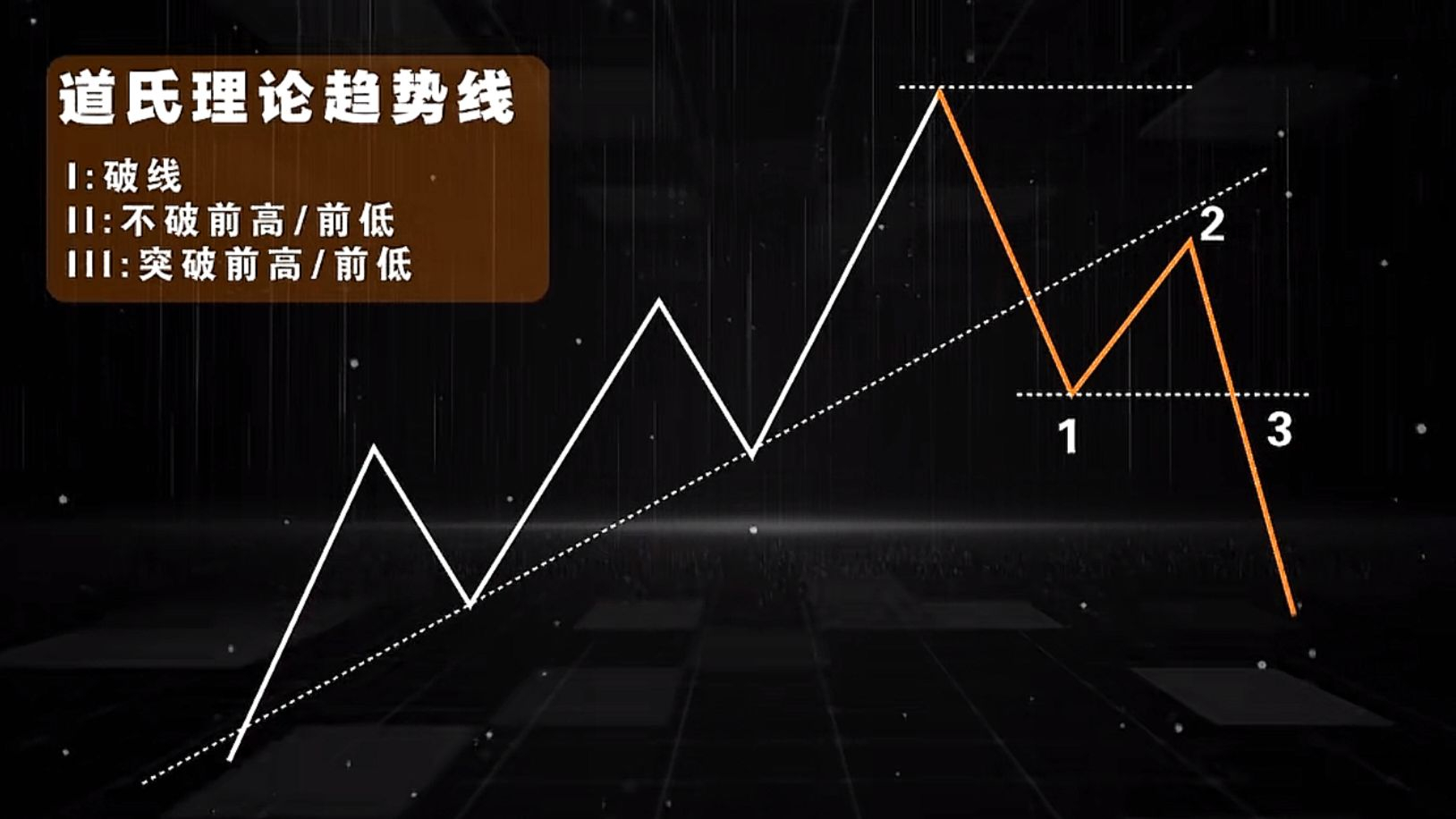
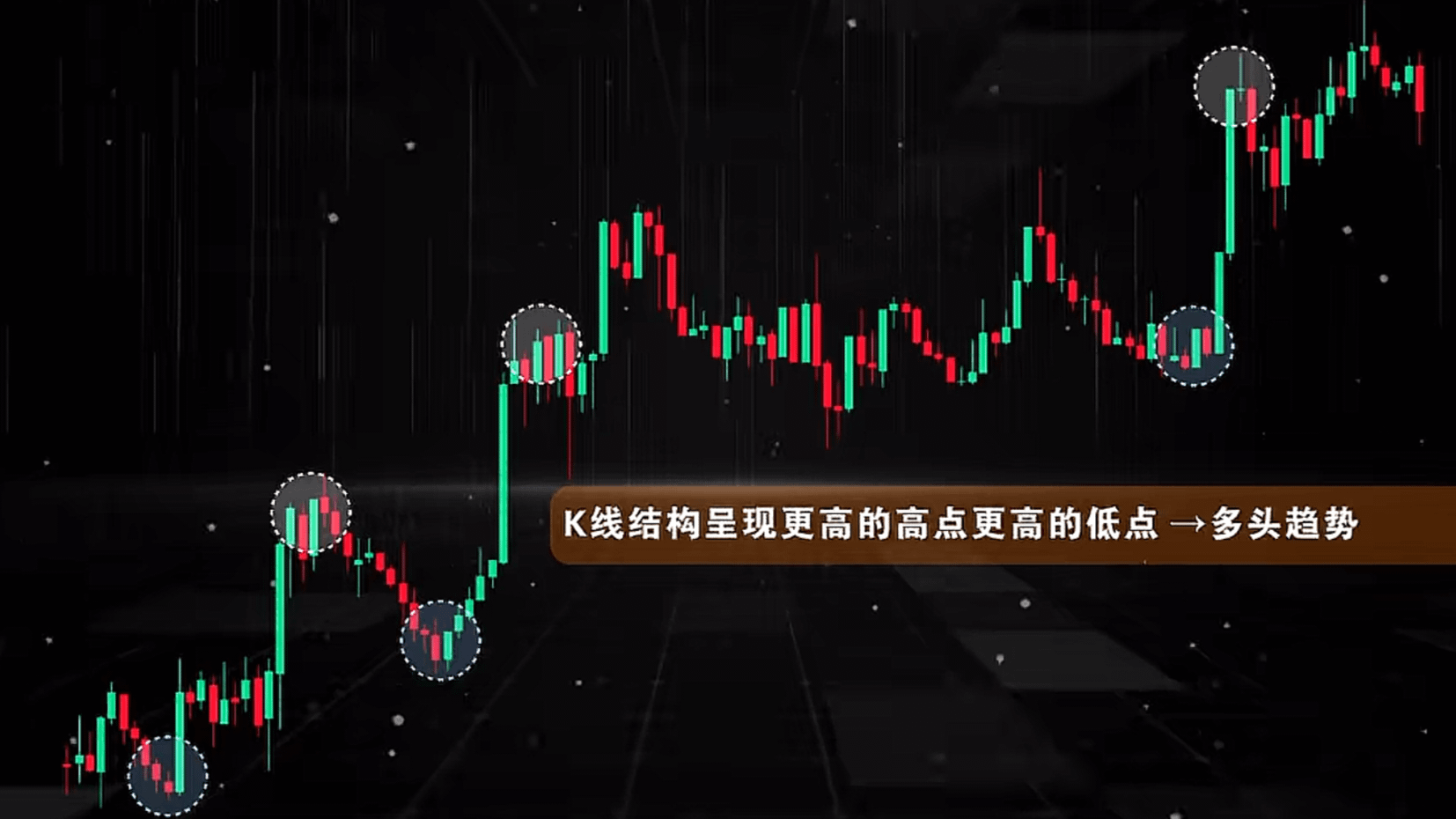
Open the 1-hour chart and we find that the candlestick structure shows higher highs and higher lows, which is a healthy bullish trend. From this moment, your mind should only have one option: to go long, completely filter out all short ideas. Or you can also use the Dow Theory trend line. No matter what, this standard must not change, but absolutely cannot switch from moving averages today, to MACD tomorrow, and rely on feelings the day after.
Step 3: Identify key areas on the 1-hour chart
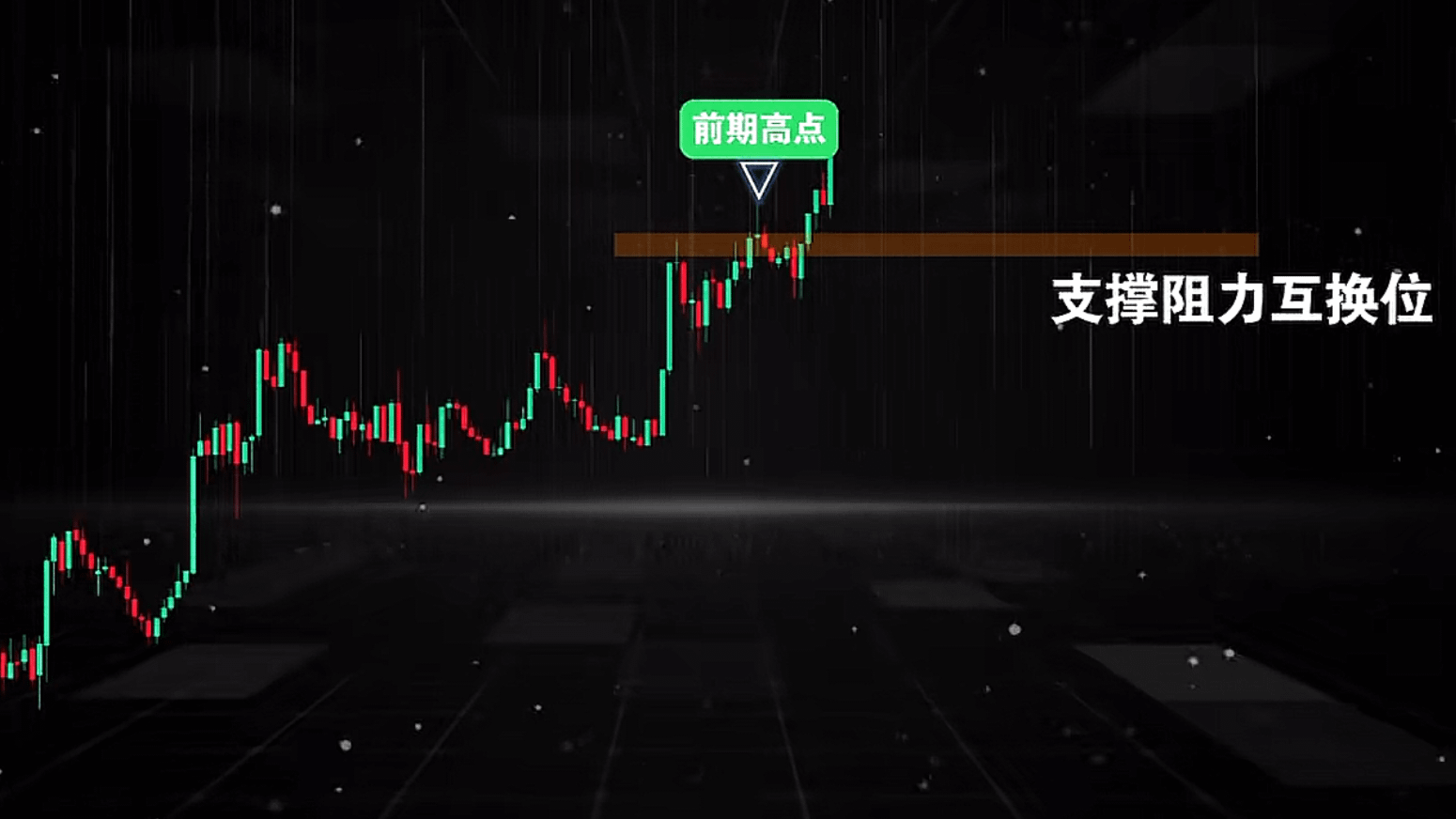
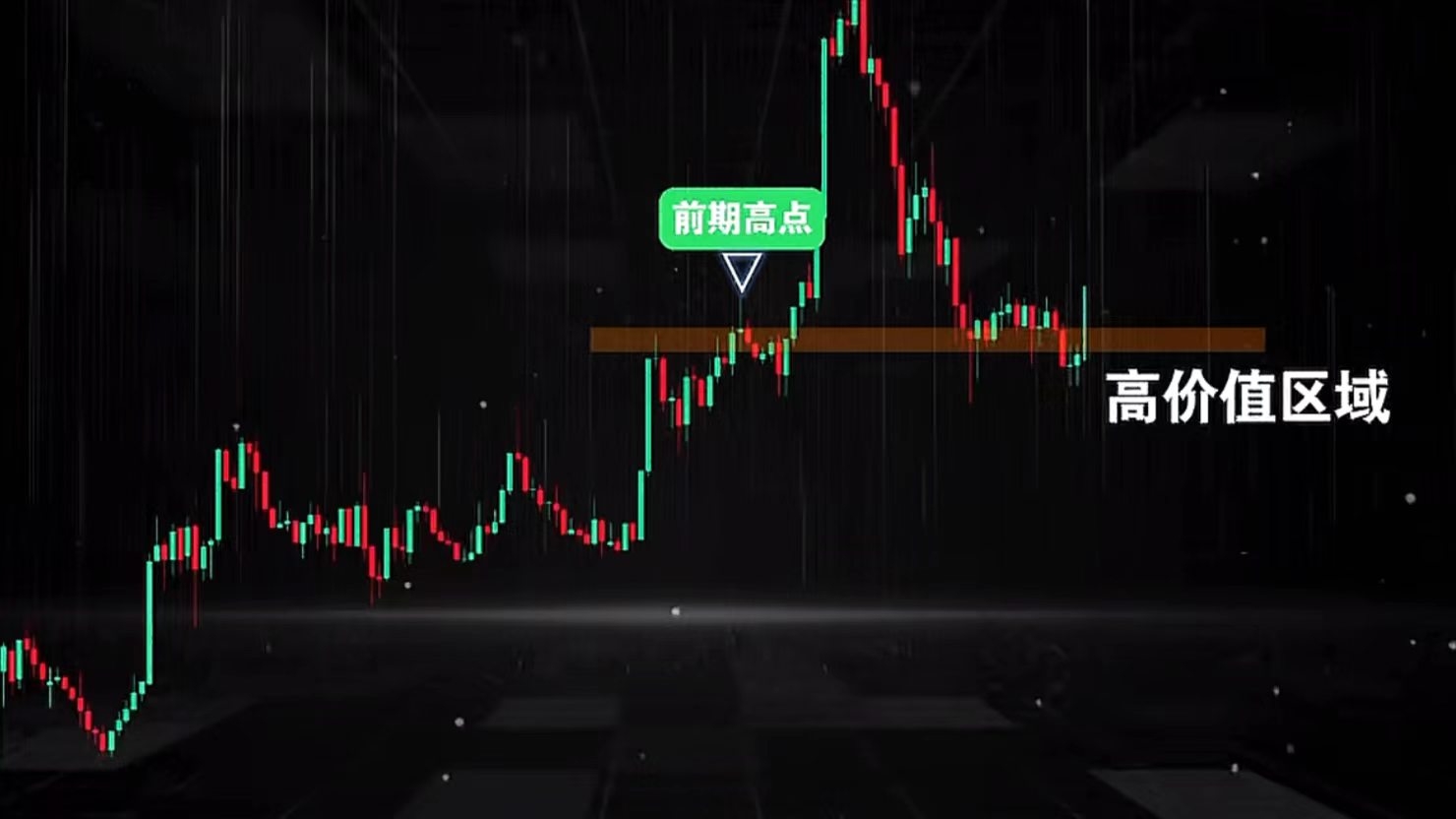
The direction is set, absolutely do not blindly chase high! Instead, patiently wait for the price to pull back to a high-value area, for example, if the current price is at the previous highest point, after breaking through, it forms a potential support-resistance swap position. This position is what you need to focus on and wait for the price to pull back to the high-value area.
Step 4: Wait for entry confirmation
Switching from the 1-hour chart to the 15-minute chart, the price has pulled back to the key support area we mentioned earlier, but we still can’t enter because the downward inertia is still present. We need to wait for a clear signal of stabilization to appear. A hammer line with a long lower shadow appears, followed by a full-bodied bullish candle for confirmation. This is the dual signal we need. By this point, the small cycle pullback is likely over, and the price is preparing to return to the direction of the big cycle. This is the high-probability opportunity you should be willing to risk real money on.
Step 5: Formulate a complete trading plan.
When an entry signal appears, don’t rush to place an order. Before opening a position, there must be a clear trading plan.
Entry: Enter at market price when a bullish candle closes after a hammer line.
Stop loss: Set below the lowest point of the hammer line.
Position: Ensure that the amount of this stop loss does not exceed 2% of the total capital.
Take profit: Set according to a 1:2 risk-reward ratio.
The trading plan is set, and the rest is left for the market to verify. Regardless of whether the outcome is a take profit or a stop loss, it is just a feedback within the plan for us.
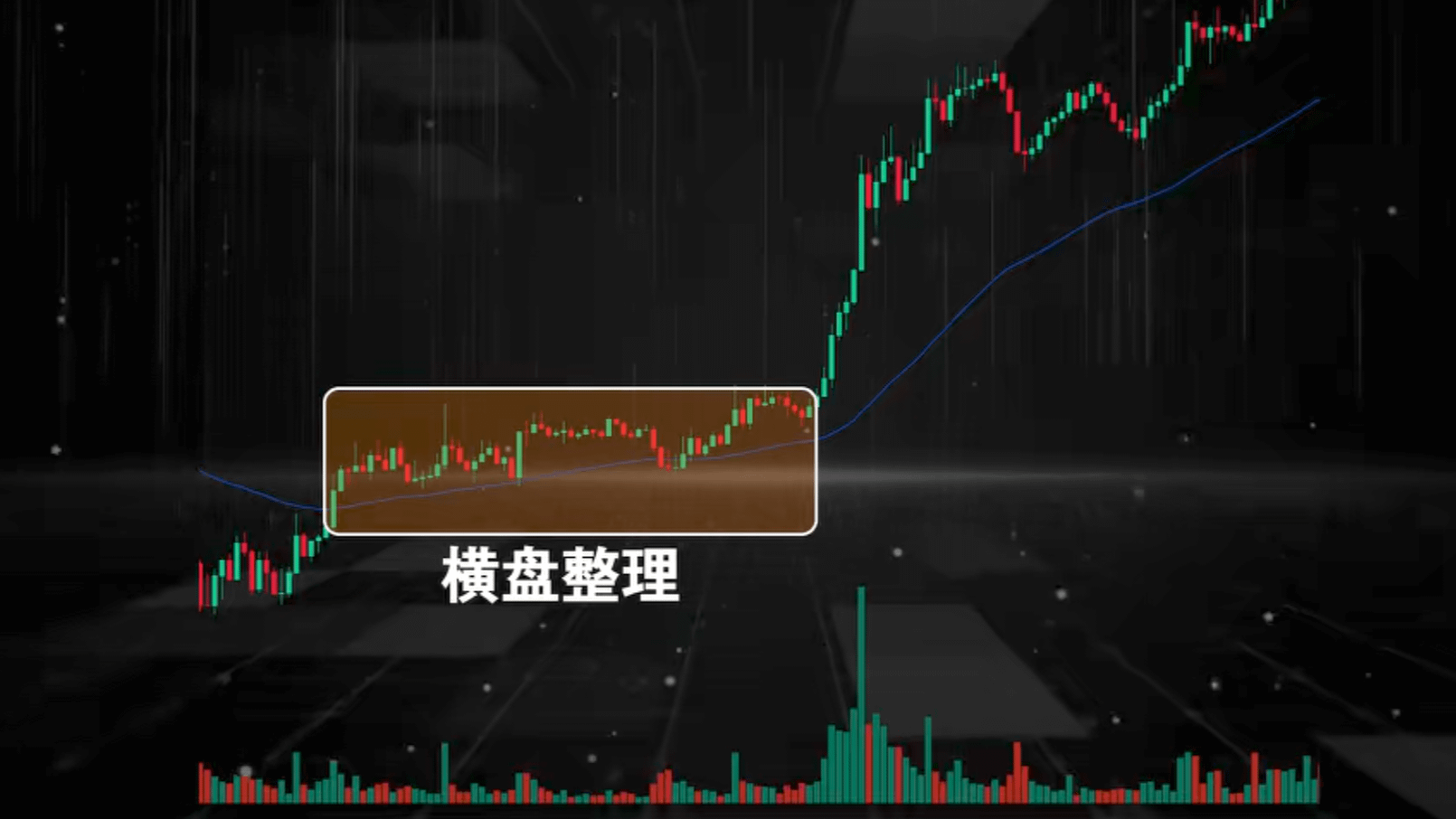
What I shared above is just a glimpse of a classic trend pullback system, but the world of trading is far more than that. Perhaps you are not a pullback trader, but a breakout trader. Your system is not waiting for a pullback, but for the market to consolidate. Your signals are not candlestick reversals, but a candlestick with strong volume breaking out of the consolidation range.
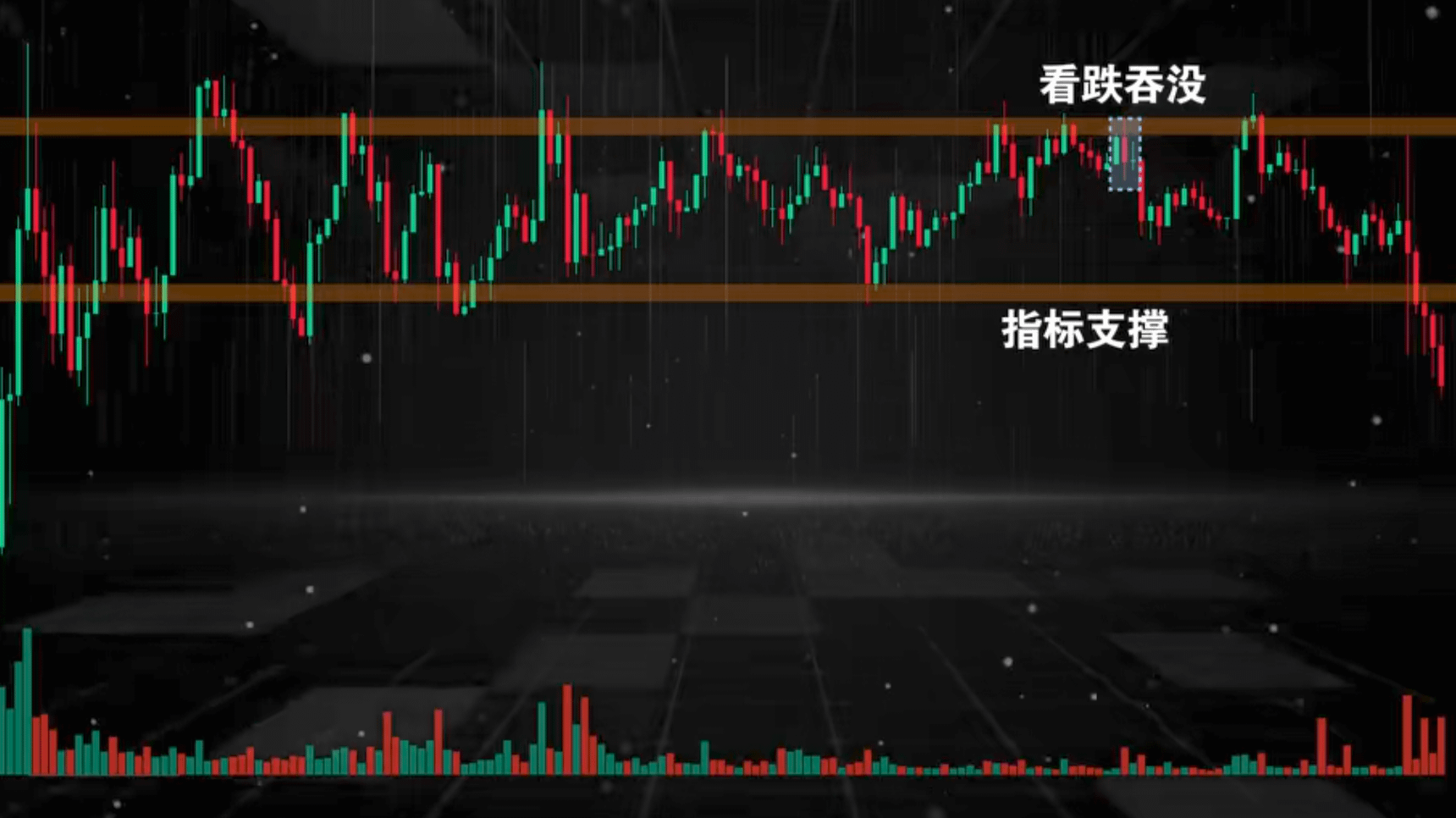
Or perhaps your personality is more suited for range trading. Your system's core becomes high selling and low buying, and your signal is a bearish engulfing near the upper band or receiving support from indicators near the lower band.
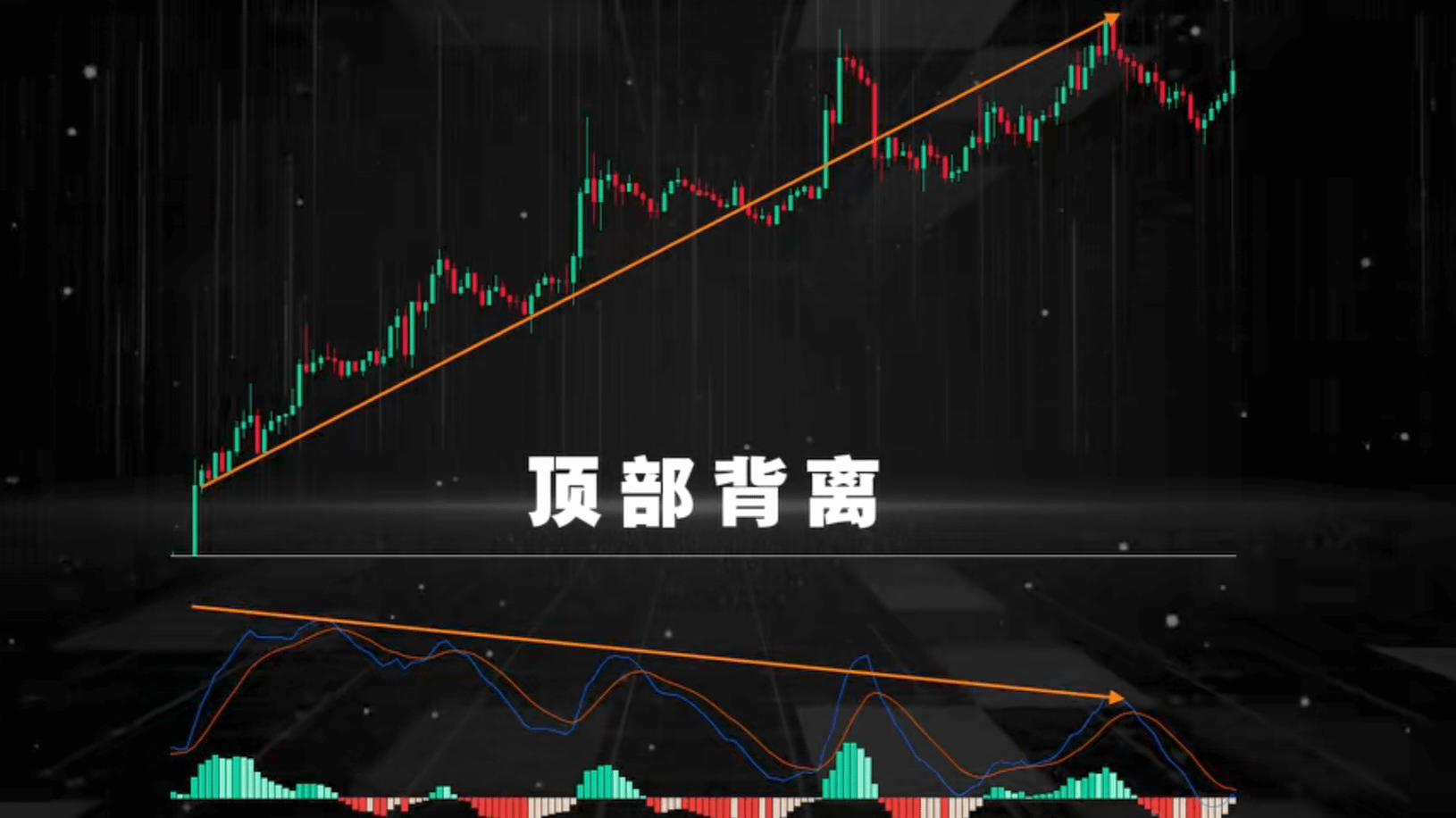
You may even specialize in high-risk-to-reward ratio reversal trades, specifically looking for exhaustion signals at the end of a trend. Your trading system might discover a top divergence on the daily chart, then wait for a clear head and shoulders pattern to emerge on the 1-hour chart.
These methods sound completely different, but have you noticed? Whether it's breakout or reversal trading, any stable trading system must be built on the underlying logic of the five steps we mentioned above. You must first clarify what your positioning is: Are you trading breakouts or reversals? What is the current trend state? Is it trending or ranging? Where are your key areas? Is it a consolidation box or the upper and lower bands of a range? What is the entry signal of your system? Is it a volume breakout or a candlestick reversal? And most importantly, what is your risk management plan? Where is your stop loss set? How do you manage your position? Therefore, a truly effective trading system solidifies all uncertainties in advance with rules! Isn’t it simple? But in each trading day to come, your human nature, fear, greed, and luck will all try to tear your plan apart.
When your account's floating profit exceeds your monthly salary but the system hasn't given a signal, that voice in your head saying to take the profit, can you really press it?
When the market pulls back time and again, infinitely approaching your stop loss point, can you still control the urge to move the stop loss?
Your real enemy has never been the market, but another version of yourself in the mirror.
The ultimate goal of trading is not to learn how many fancy tricks, but to completely turn discipline and system into your only faith.
When you can calmly accept every planned loss and repeat the correct actions 1000 times until they become instinct, stable returns will naturally become the reward for your discipline!
