

Most people think privacy is binary. You're either exposed or you're hidden. You share everything or you share nothing. On or off. Open or closed.
That mental model is wrong—and it's costing us.
Here's what actually changed how I think about this: the moment I realized that disclosure isn't a light switch, it's a dimmer. And once you see it that way, you can't unsee it.
---
**Let me explain what I mean.**
Imagine three people looking at the same room. The first stands outside, peering through frosted glass—they can see shapes, movement, general activity. The second is inside the room, eyes adjusted, seeing furniture, faces, everything in detail. The third? They're inside the walls. They see the wiring, the foundation, the plumbing behind the plaster.
Same room. Three completely different levels of truth.
This is selective disclosure—and it's arguably the most underappreciated concept in the entire privacy conversation right now.
---
**The public view is the frosted glass.**
When you transact on a public blockchain, the world sees wallet addresses, amounts, timestamps. No names. No context. Just shapes moving through space. Most observers live here. They can tell *something* is happening—but not *why*, not *who*, not *what it means*.
This level isn't worthless. It creates accountability without identity. Accountability without exposure. You can verify that a transaction happened without knowing anything about the person who made it. That's actually powerful. But it's deliberately limited—designed to reveal just enough and no more.
The dimmer is turned low. The room is barely lit.
---
**The auditor view is the open door.**
Now imagine you grant someone permission to step inside. A regulator. A compliance officer. An institutional partner who needs to verify your activity for a specific, bounded purpose. They see more—wallet history, transaction context, maybe identity-linked data depending on the system. But here's the critical part: *you chose to let them in.* You turned the dimmer up. Not all the way—but enough.
This is where most people miss the nuance. Auditor-level disclosure isn't surveillance. It's *consent-gated transparency*. You're not broadcasting to the world. You're handing someone a key to a specific room, for a specific reason, for a specific window of time.
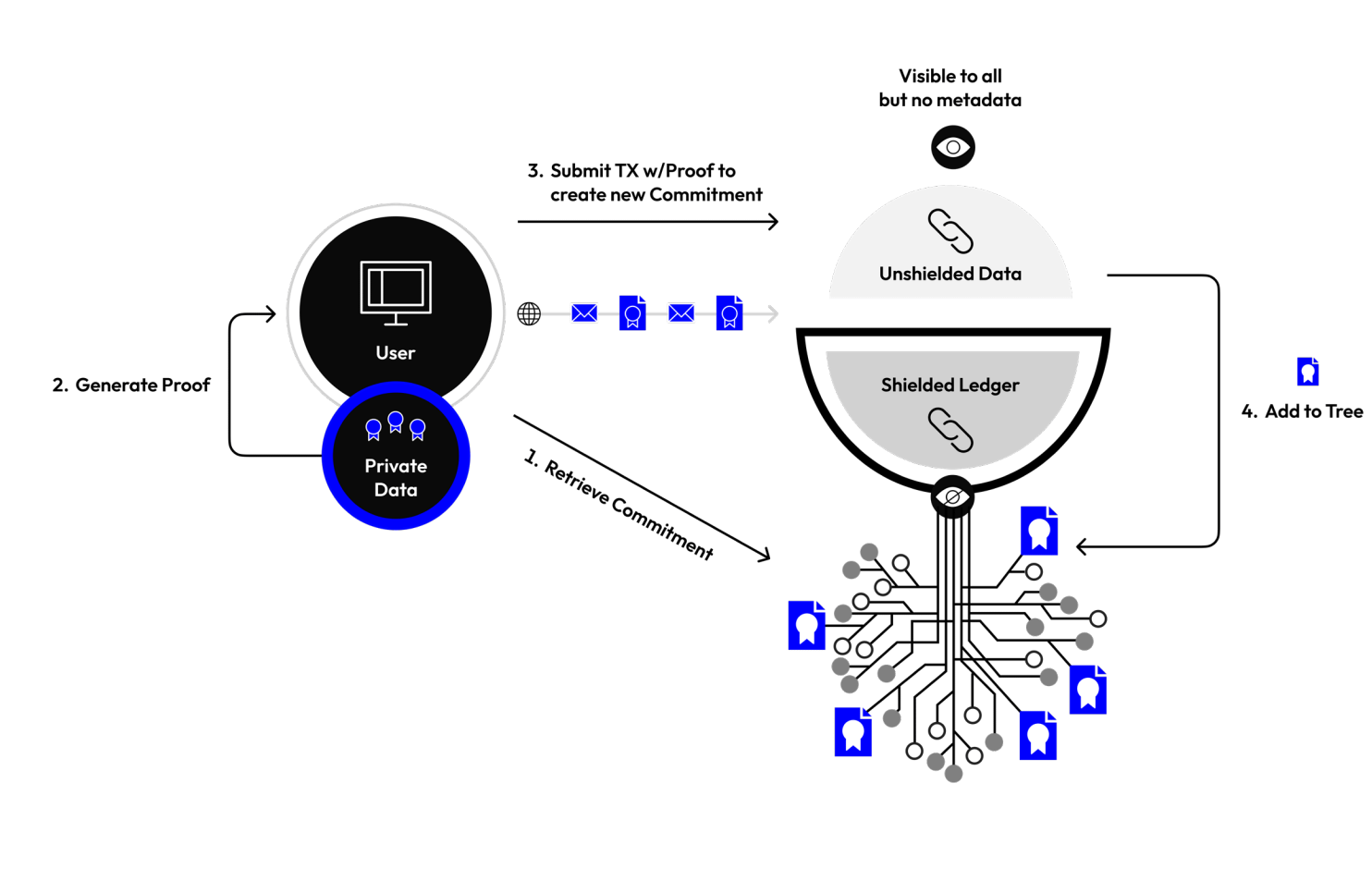
Midnight Network is building in this exact space—enabling layered disclosure where users control exactly how much light enters the room and who gets to see it. $NIGHT isn't just a privacy token. It's infrastructure for selective truth.
---
**Then there's God mode.**
I'll be honest—when I first heard this framing, it felt dramatic. But sit with it. God-level disclosure means complete visibility. Every transaction, every counterparty, every pattern, every connection—fully illuminated. The walls come down. The wiring is exposed.
This level exists in very specific contexts. Think: catastrophic fraud investigations, court-ordered disclosures, protocol-level security audits where full transparency is the only way to restore trust. It's not the default. It shouldn't be. But it needs to *exist*—because a system with no God mode is a system with nowhere to go when things go seriously wrong.
The dimmer, turned all the way up.
---
**Here's what struck me about this framework.**
It doesn't choose between privacy and accountability. It refuses to accept that as the actual tradeoff. Instead, it treats disclosure as something fluid, contextual, and ultimately user-governed. You set the light level. You decide who gets a key. You determine when the walls come down—and when they stay up.
That's not just a product feature. That's a philosophy.
---
Most of the privacy conversation is still stuck in the light switch era. On or off. Hide or expose. Pick a side.
Midnight Network is building a dimmer.
And once you understand the difference—once you feel the texture of granular, consent-driven disclosure—the old binary starts to look like exactly what it is.
Crude. Outdated. Inadequate.
The room doesn't have to be fully dark or fully lit. You get to choose the light.