

I started digging into Midnight’s “Block Production and Incentives” part because honestly, this is the layer where the real strength of any blockchain is decided. On the surface, all projects seem good, but when you see how the network is secured and how incentives are working, the actual picture becomes clear.
The first thing that seemed interesting to me was that Midnight did not take a fully decentralized approach at the time of launch. Instead, in the beginning, block production was done through permissioned trusted nodes — and shockingly, they initially do not take rewards either. In my opinion, this is not risky, but rather a smart move. Because in the early stage, when incentives are not strong, the risk of attacks is the highest.
As the network matures, the system gradually opens up — especially for Cardano SPOs (Stake Pool Operators). I found this part personally strong because Midnight is not creating a new validator base but leveraging the already existing, proven ecosystem. This largely solves the bootstrap problem.
The core design is what I found most different.
In most blockchains, transaction fees are the main incentive. But here Midnight has shifted fees to DUST — which is non-transferable. This means that the direct financial incentive does not come from fees. Instead, the entire focus is on block rewards — which come from a pre-defined Reserve.
Here’s another interesting thing — new tokens are not minted. The rewards come from the already existing supply. And these rewards follow a decreasing curve. This means that over time, rewards will continue to decrease, but slowly — so slowly that theoretically this system could last for hundreds of years.
I found this model predictable. You can roughly estimate what future rewards will be. But at the same time, a thought comes to mind — if demand becomes high in the future and rewards decrease, will the incentives remain strong? It will be interesting to see.
The smartest part that I felt — is the reward splitting mechanism.
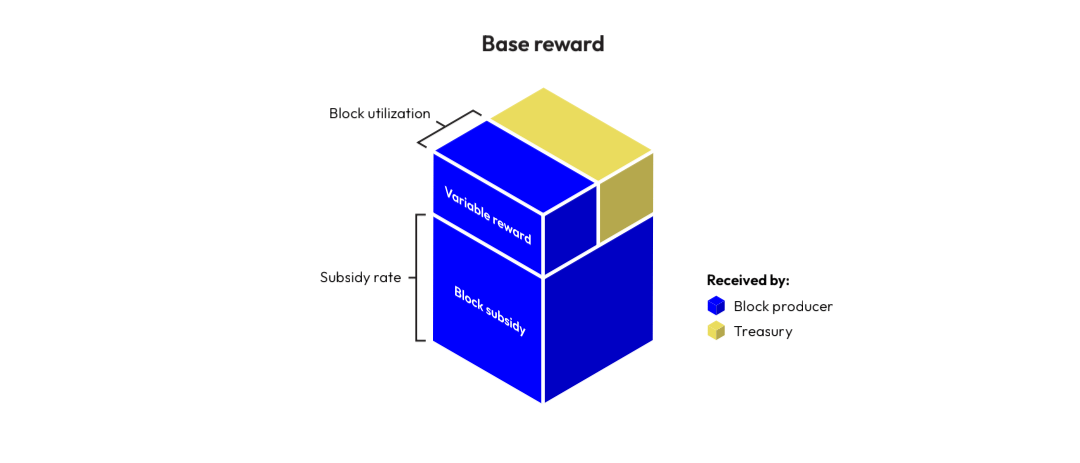
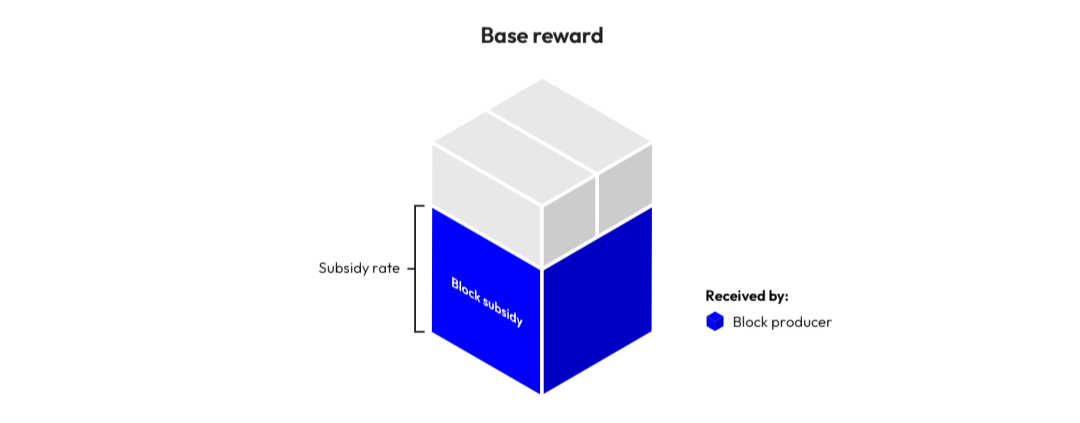
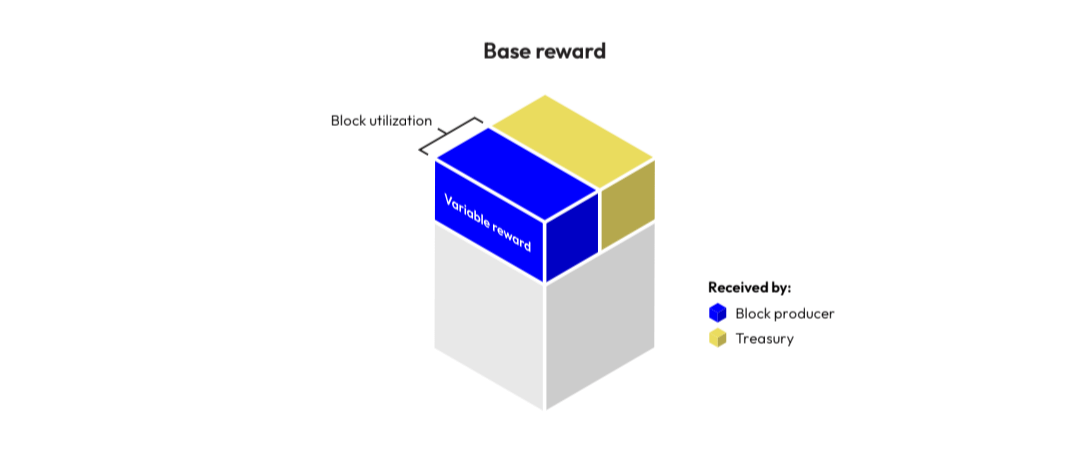
The reward of each block is divided into 2 parts:
Fixed subsidy (guaranteed reward)
Variable reward (depends on block utilization)
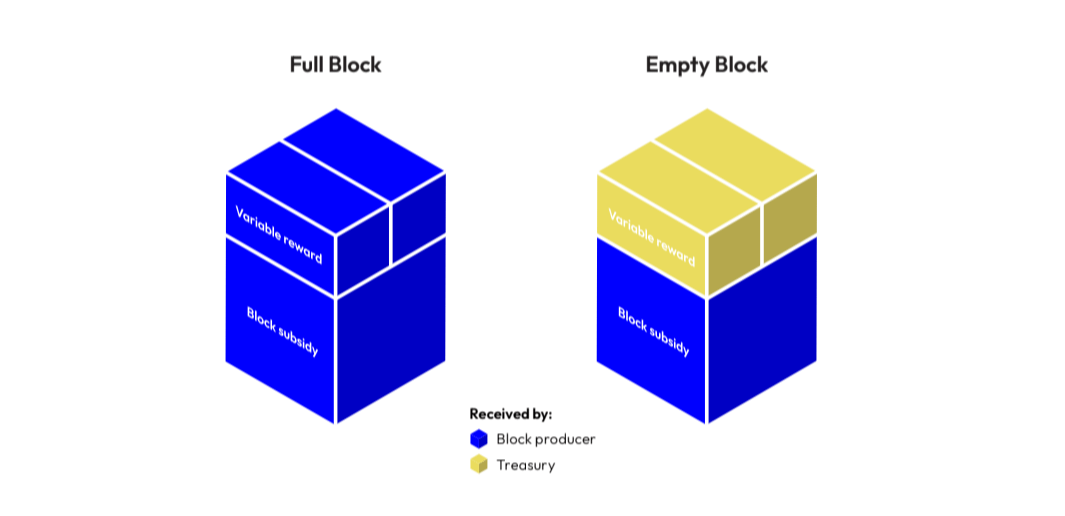
In simple words: If a validator creates an empty block → he will only receive the fixed part of the base reward.
If he creates a full block → he will receive an extra reward.
From here a strong behavioral incentive is created: 👉 "Use the network efficiently, otherwise you won't receive the full reward"
In my opinion, this design is quite practical, as it directly pushes network activity without the pressure of fees.
At launch, a subsidy rate of ~95% was set — which is quite high. This means that in the early phase, validators will receive almost guaranteed rewards, whether blocks are fully utilized or not. This again seems like a bootstrap strategy — to ensure early participation.
But in the future, when the subsidy comes around 50%, real competition will start — who fills blocks efficiently.
If I look at the overall picture, I see some clear advantages of this model:
Predictable reward system (no surprise inflation)
Long-term sustainability (Reserve slowly drains)
Efficient network usage incentivized
Early-stage security strong (permissioned start)
But I also feel there are some open questions / risks:
If network usage remains low, the impact of variable rewards will decrease.
In the future, when rewards decrease, will validators remain as motivated?
The DUST model is interesting, but will it consistently generate real demand?
In the end, I found this system a bit different from typical crypto models. It doesn’t seem designed for short-term hype — rather it feels like an approach to build long-term stable infrastructure.
My honest thought:
This model will only work when real applications and consistent usage come to Midnight. Just having strong tokenomics doesn’t mean anything — usage will decide whether the incentives are actually meaningful or not.