
Last night, I was just doing my usual routine scanning charts, looking for a decent entry on XAG and ETH, nothing too deep.But somehow, like it always happens in crypto, one click led to another and I ended up going through a whitepaper. What really caught me off guard was a section from the TokenTable spec.Didn’t expect much at first, but the more I read, the more it stayed in my head.
The idea is actually pretty simple, but powerful when you think about real-world use. In most distribution systems, especially at a government level, the biggest loophole is people trying to claim multiple times using different wallet. In crypto, that’s not exactly hard to pull off. But this approach flips the logic. Instead of treating wallets as the main reference, it separates things cleanly the wallet is just where the funds are sent, while eligibility is tied to a verified identity.
That small shift changes everything. It means creating multiple wallets doesn’t help anymore, because the system doesn’t care about addresses it checks the identity behind them. One verified identity gets one claim, no matter how many wallets exist. On the surface, it feels like a solid fix to a long-standing problem.
But the more I thought about it, the more one thing kept bothering me. This whole setup depends heavily on how clean and reliable the identity layer is. Because technically, it’s not stopping one human from claiming twice it’s stopping one identity record from doing that. And those two don’t always match perfectly.
If the identity system underneath has duplicates maybe due to errors, outdated records, or migration gaps then the whole guarantee starts to weaken. Two identity entries for the same person could still mean two successful claims. And that’s where things get a bit uncomfortable to think about.
Maybe I’m overthinking it, but it really shows how even strong systems rely on what’s beneath them. The logic here is smart, no doubt. But its strength depends completely on how accurate that identity layer really is.
Make it original
Last night started off like any other—just me, the charts, and a routine scan for entries on XAG and ETH. Nothing intense, nothing out of the ordinary. But as it usually goes in crypto, one click quietly turned into ten, and before I knew it, I was deep into a whitepaper I hadn’t even planned to open.
One section in particular stuck with me—the TokenTable spec.
At first glance, it didn’t seem groundbreaking. But the more I sat with it, the more it unfolded into something surprisingly sharp.
The core idea is almost deceptively simple. Most distribution systems—especially at scale, like government-level programs—struggle with the same flaw: people finding ways to claim benefits multiple times. In crypto, that problem is even easier to exploit. Spin up a few extra wallets, and you’re already halfway there.
But this approach shifts the foundation. Instead of treating wallets as the source of truth, it separates concerns entirely. Wallets become nothing more than delivery endpoints. The real gatekeeper is identity.
That one change flips the dynamic. Suddenly, having ten wallets doesn’t give you an advantage, because the system isn’t counting addresses—it’s validating who’s behind them. One verified identity, one claim. Clean, direct, and on paper, very effective.
But the deeper I thought about it, the less settled I felt.
Because the entire model leans heavily on the integrity of the identity layer beneath it. And that’s where things get complicated. The system doesn’t actually stop a person from claiming twice—it stops an identity record from doing so. And those two aren’t always perfectly aligned.
If the underlying identity database has flaws—duplicate records, outdated entries, or inconsistencies from migrations—then the guarantee starts to crack. One individual could exist as two valid identities, and just like that, the “one claim per person” rule quietly breaks.
That’s the uncomfortable part. The logic itself is solid—elegant, even. But its reliability isn’t self-contained. It inherits every weakness of the system it depends on.
Maybe it is overthinking. Or maybe it’s just what happens when a simple idea turns out to be deeper than it first appears.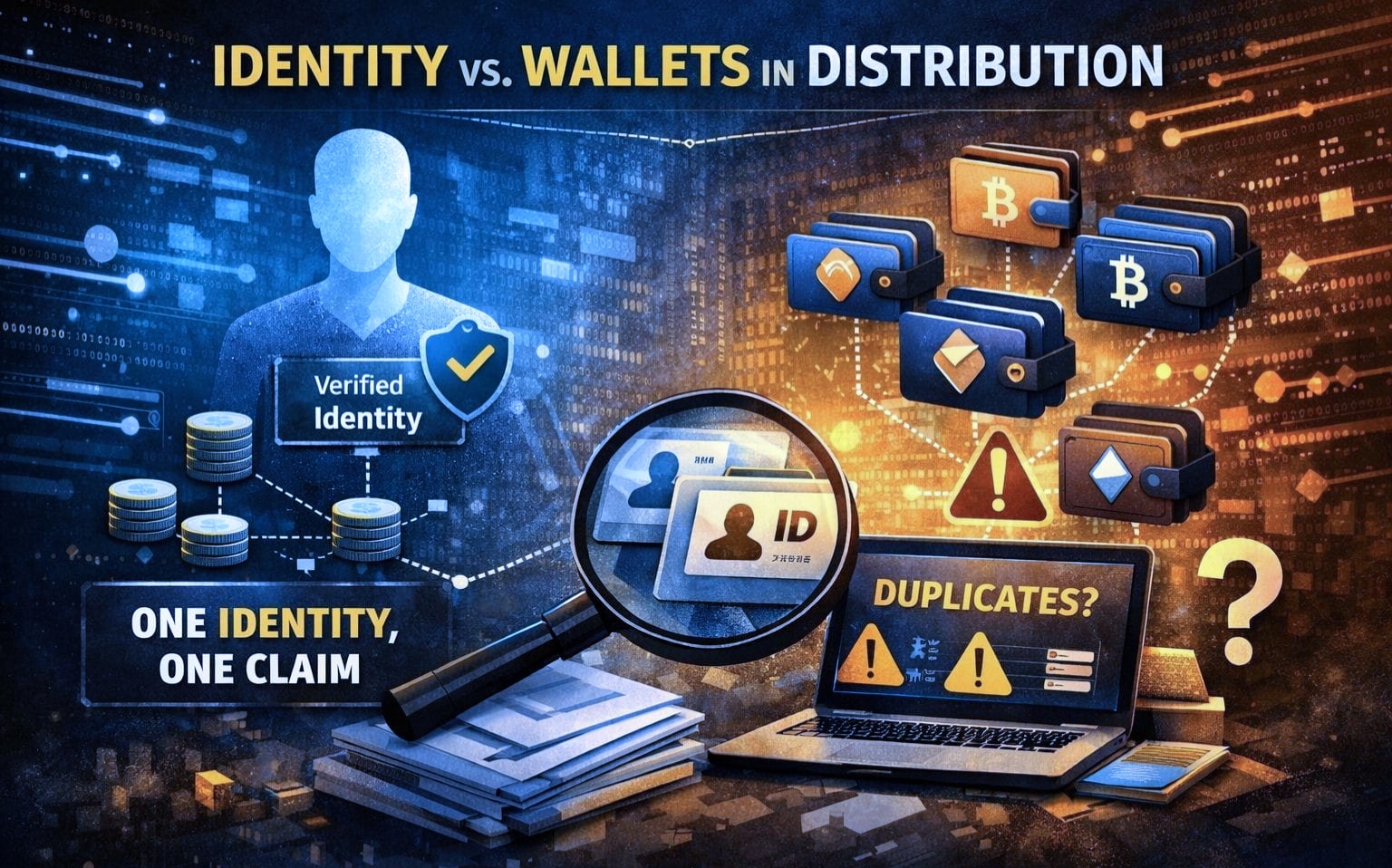
#SignDigitalSovereignInfra $SIGN
