

To be honest, at first I also thought of @SignOfficial as a "project that creates airdrop tools". But after looking at it again in light of the changes in the Middle East recently, my opinion has changed a bit.
What's happening in the Middle East right now? It's simple: on one hand, capital is seeking safer and more efficient ways to flow; on the other hand, countries are frantically pushing forward with digitalization and blockchain integration. The problem is also very real—money can be on the blockchain, but trust hasn't.
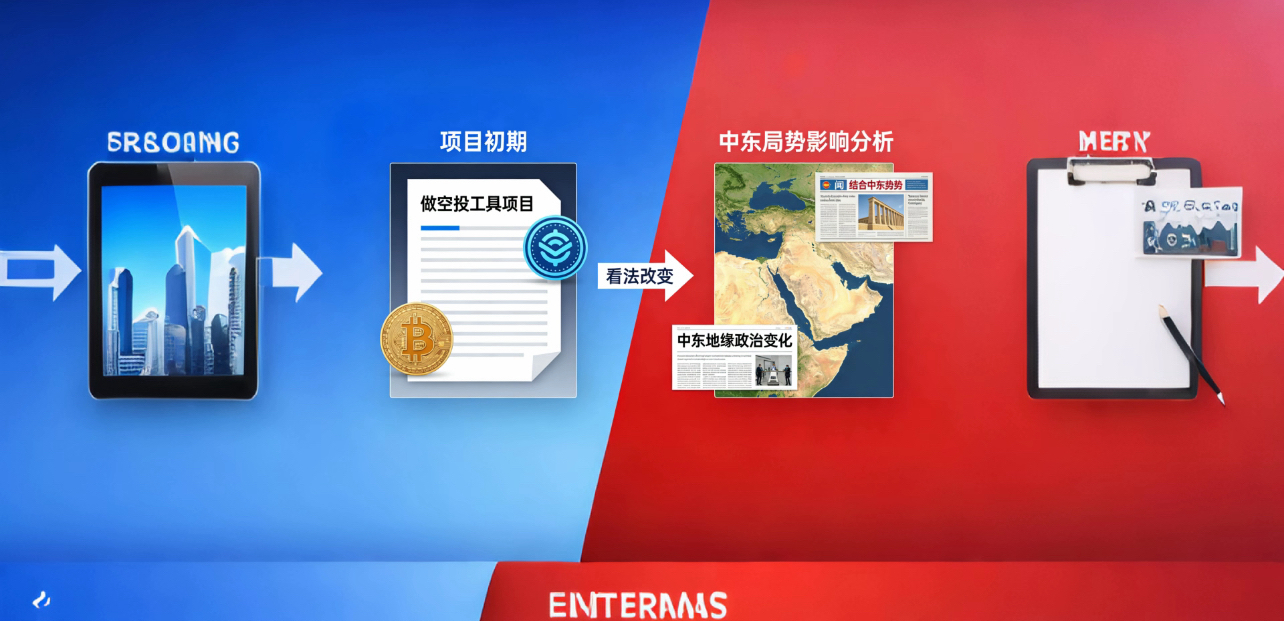 This is$SIGN The entry point.
You can think of @SignOfficial as a "currency issuance tool", but it actually does something more fundamental:
Make the distribution process verifiable, traceable, and controllable.
How did airdrops work in the past? Multiple accounts, scripts, and "airdrop hunters"—the project team's distribution was essentially meaningless, and users who received the drops lacked trust. Now, in scenarios like the Middle East, which are more "sovereign-level," this approach is completely ineffective. Governments and institutions need certainty, rules, and verifiable data.
 This is why it partners with Blockchain Centre Abu Dhabi.
I think this collaboration is crucial, not just for its implementation, but for its "change of identity." When a project starts serving the government and public sector, its potential is completely different. Sign provides the technology, while the other party provides regulation and resources; essentially, they are building an "on-chain trust system" together.
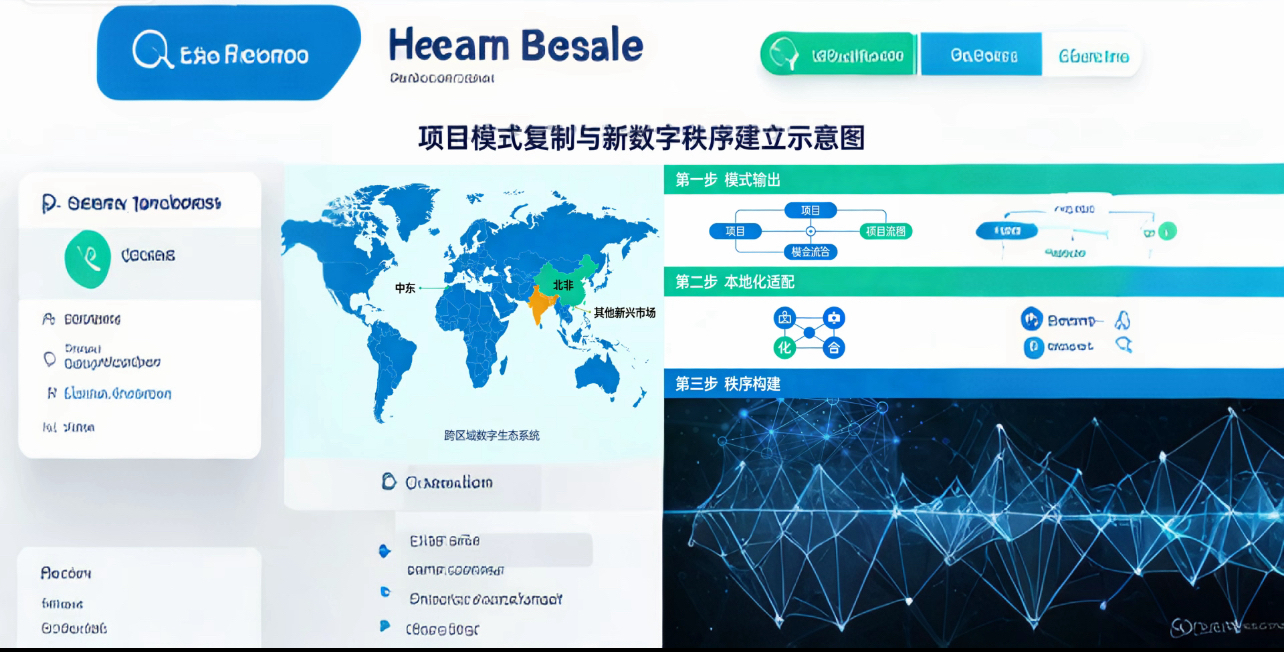
What's even more interesting is that once this system works in Abu Dhabi, it can be replicated. The Middle East, North Africa, and even other emerging markets will face the same problem: how to establish a new digital order without a traditional financial trust system.
So who will do it? Either a giant company or an infrastructure project that has already proven its capabilities.
$SIGN At least two things have been proven:
First, it can serve a large number of users (tens of millions).
Secondly, it actually succeeded in the "distribution" process.
With the added financial backing of Changpeng Zhao, this is no longer just an ordinary project; it's more like securing a foothold in a particular market segment in advance.
So now when I look at $SIGN, I'm more inclined to see it as part of a "trust layer" rather than a simple utility coin.
The market may not have fully priced this in yet, but the direction is clear:
In the future, the competition will not be about who issues the currency, but about who can standardize "trust".