

I’ve been thinking about how most systems handle verification. Once something is approved, it tends to stay that way. A user passes a check, a credential gets issued, and from that point on, it’s treated as valid.
And I realized I rarely question that. If something has already been verified, I assume it still holds. I don’t think about when that verification happened or whether the conditions behind it might have changed.
But the more I look at it, the more fragile that assumption feels. People change, context changes, and even the rules themselves can shift over time. What was true at one moment doesn’t always remain true later, yet most systems capture a snapshot and treat it like something permanent.
Maybe the issue isn’t that verification is missing. Maybe it’s that we’ve been treating it as something static, while reality is constantly moving.
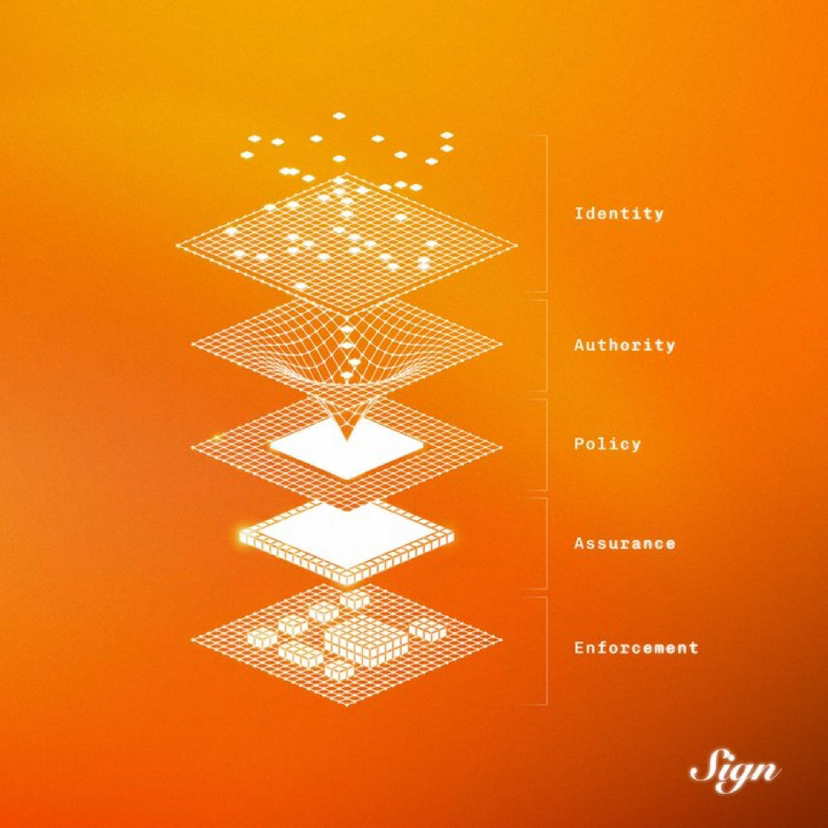
Looking into Sign made this stand out more clearly. It doesn’t just focus on issuing a proof once, but on structuring claims in a way that they can still be checked, updated, or reconsidered as conditions evolve.
At first, that feels like a small shift. But the more I think about how much of our systems rely on outdated assumptions, the more it starts to feel like a deeper gap.
Still, I’m not sure if this is something people will really care about. As long as something was approved at some point, that’s usually enough to move forward.
So maybe the real question isn’t whether verification can be more dynamic, but whether we’ve been relying on something that was never meant to stay true forever.
#SignDigitalSovereignInfra $SIGN @SignOfficial
