

I recently focused on Midnight Network not because of the old trope of 'the privacy narrative is back,' but because this wave of popularity indeed has a more solid catalyst — Binance integrated it into the HODLer Airdrops system, and on 2026-03-11, they opened up a whole set of entry points (spot, Earn, exposure positions, those who understand know). Actions from platforms of this level are much more useful than 'posting a roadmap on Twitter'; at least it explains why the trading volume of NIGHT has suddenly surged so absurdly in these past few days: according to Binance's price page and some mainstream market sources, the 24h volume can reach levels of 600 million to 1 billion USD, with prices fluctuating around 0.04 to 0.05 USD, and a market cap of approximately 720 to 780 million USD. In simple terms, this is not 'hype with no buyers' but rather liquidity has truly been ignited.
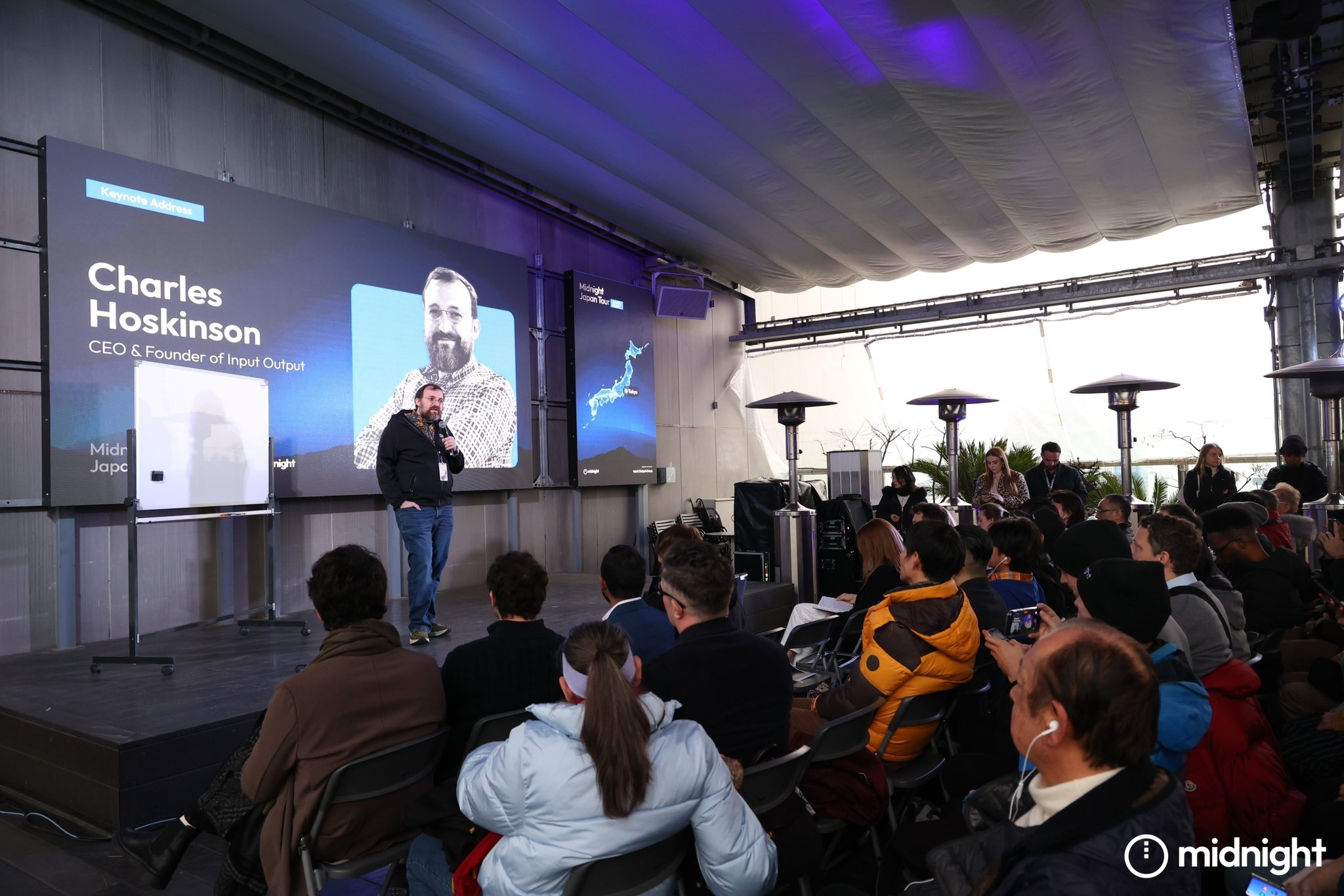
But I also don’t want to pretend to be too certain, after all, the aspect of this project that easily gets people high is also the most likely to lead to pitfalls: everyone treats it as a 'privacy chain,' and upon hearing it, they reflexively associate it with 'regulatory risks' and 'will exchanges pull the ladder at any time.' The cleverness of Midnight lies in its intention to circumvent this confrontational narrative from the beginning, emphasizing programmable privacy + selective disclosure, and even its token design is quite 'counterintuitive': NIGHT is not an anonymous coin; it is a public and transparent native and governance token, and the resource truly used for transaction execution is called DUST (you can understand it as 'fuel/quota for privacy computation'), while one of the roles of NIGHT is to 'generate DUST to support network operation.' This design clearly attempts to blend 'privacy' and 'compliance' together—providing developers with a set of tools that can prove when needed and disclose when necessary, rather than hiding everything away.
So I see NIGHT's thinking more like a chain that wants to sell ZK from concept to infrastructure: it’s not betting on retail sentiment, but on a more realistic demand in the next two years—institutions, enterprises, and even ordinary applications need privacy on-chain, but cannot be completely opaque. Think about the current environment: on one side, there are increasingly specific requirements for on-chain capital flows, data protection, and anti-money laundering; on the other side, ZK has been excessively discussed over the past two years, and there aren’t many that can be implemented, serve as developer tools, and be 'picked up and used' by project parties. If Midnight can truly package 'privacy computation' as a layer of service, allowing other chains and applications to call it in a modular way, then it is not an isolated chain but a 'privacy middleware.' I see many people in the community recently discussing whether it will move towards a cross-chain privacy layer; this direction sounds big, but at least logically it makes sense: first get the mainnet and development tools running smoothly, then talk about external ecosystems to connect.
In terms of heat, what should be closely monitored today is not the topic of 'can the price double again,' but two more realistic questions: first, how the new chips brought by Binance's HODLer Airdrops will be released later, and whether they will turn into sustained selling pressure; second, whether the mainnet advancement is indeed following the pace it claims. Regarding the chips, Midnight's official has mentioned a phased unlocking mechanism at the end of 2025, and even wrote down details like 'random start dates for each address' very clearly: distribute random starting dates within a window, then unlock in several stages over a 90-day period. You can understand it as a mechanism to 'flatten selling pressure'—it can indeed prevent everyone from dumping on the same day, but it also means: the selling pressure will not disappear; it will just become longer and more tedious. The worst thing about this kind of market is thinking the selling pressure has ended, only for the next wave of 'unfreezing' to begin.
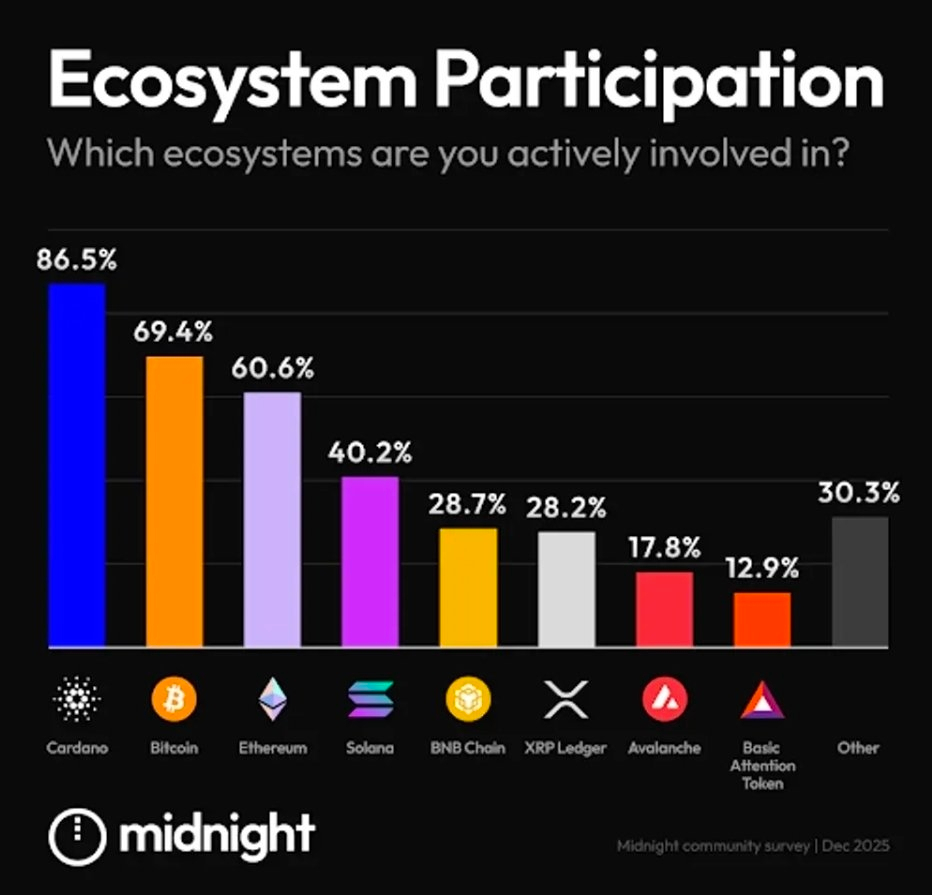
Speaking of the mainnet rhythm, Midnight itself reviewed the milestones of 2025, the launch of NIGHT, and the roadmap to Kūkolu (federal mainnet phase) in its network update in January 2026. The core message I read is just one sentence: first, deal with these 'real issues' of liquidity, security, and exchange accessibility, and then push forward with the heavier mainnet form. To put it bluntly, it’s like first setting up the 'stalls in the vegetable market' before talking about 'opening a chain of stores.' So what you see now, such as exchange entrances, Earn products, and exposure positions, is actually part of what it calls 'realism first, ideals later.' You can like it or not, but it does align more with the path of a project aiming to build long-term infrastructure.
So how would I, from the perspective of trading, look at NIGHT with 'survival first'? I won’t pretend to be a master, but will directly share my observations: the most likely trend for this coin right now is 'large volume, high volatility, but the pull-up is not smooth,' because its volume is mixed with three types of people—those who received airdrops/distributions, those providing liquidity for exchanges, and those purely chasing trends. The volume looks impressive, but you need to distinguish whether it's 'net inflow' or 'mutual offset.' So I prefer to use two simple anchors to cool myself down: one is the ongoing actions on the platform side (like whether there are new entrances, activities, or ecosystem collaborations repeatedly emphasized by the official), and the other is the verifiable progress on-chain/development side (tools, testnets, updates of programming languages/SDKs, whether developers can really get to work). The 24h transaction volume given by the market sources is often close to one billion dollars; in this case, the biggest fear is not being unable to buy, but rushing in 'at the hottest minute,' only to be educated by volatility that night.
I also remind myself of one thing: Midnight's narrative can easily lead people into the illusion that 'privacy = omnipotent.' Privacy is not omnipotent; it is merely a more costly way of computing, implying more complex proofs, more complicated development, more difficult debugging, and higher user education costs. Many projects become unfriendly once they enter the 'real delivery' stage because the market starts to ask: who is using it? Is it worth using? Is there a revenue/cost model? Midnight introduces DUST, essentially looking for a more manageable expression for 'costs/resources,' but whether it can produce a truly healthy demand curve will take time, not slogans.
So if you ask me what the conclusion of writing this today is—not to shout long, nor to sing short, but to treat it as a candidate for infrastructure being pushed onto the stage. Binance gave it a solid stage on March 11, 2026, with liquidity, accessibility, and attention all in place; but whether it can transition from 'trading heat' to 'ecological realization' depends on whether it can continuously deliver the mainnet progress after Kūkolu and whether it can make developers truly apply ZK contracts and privacy capabilities in specific scenarios. Short-term players can just focus on the ability and the volatility; for those who want to hold longer, I suggest you should be cooler and pay attention to those less appealing aspects: unlock rhythm, application landing, toolchain updates, and whether there are 'verifiable new things' in each official network update. I don’t reject the hustle and bustle, but I fear being swept away by it.
