
In the past few days, while scrolling through the news, crude oil surged past $115 amid the rhythm of geopolitical tensions. The market fluctuated between red and green, causing anxiety among viewers. I initially thought it was just a normal fluctuation of commodities until I had a call with a friend in Dubai who is involved in large-scale trade and RWA asset tokenization. Only then did I realize that behind the oil price lies a trust crisis worth billions of dollars in cross-border trade—if geopolitical decoupling escalates to extremes, and centralized notaries are sanctioned and unable to provide endorsements, won't those signed cross-border contracts and sovereign asset proofs become worthless?
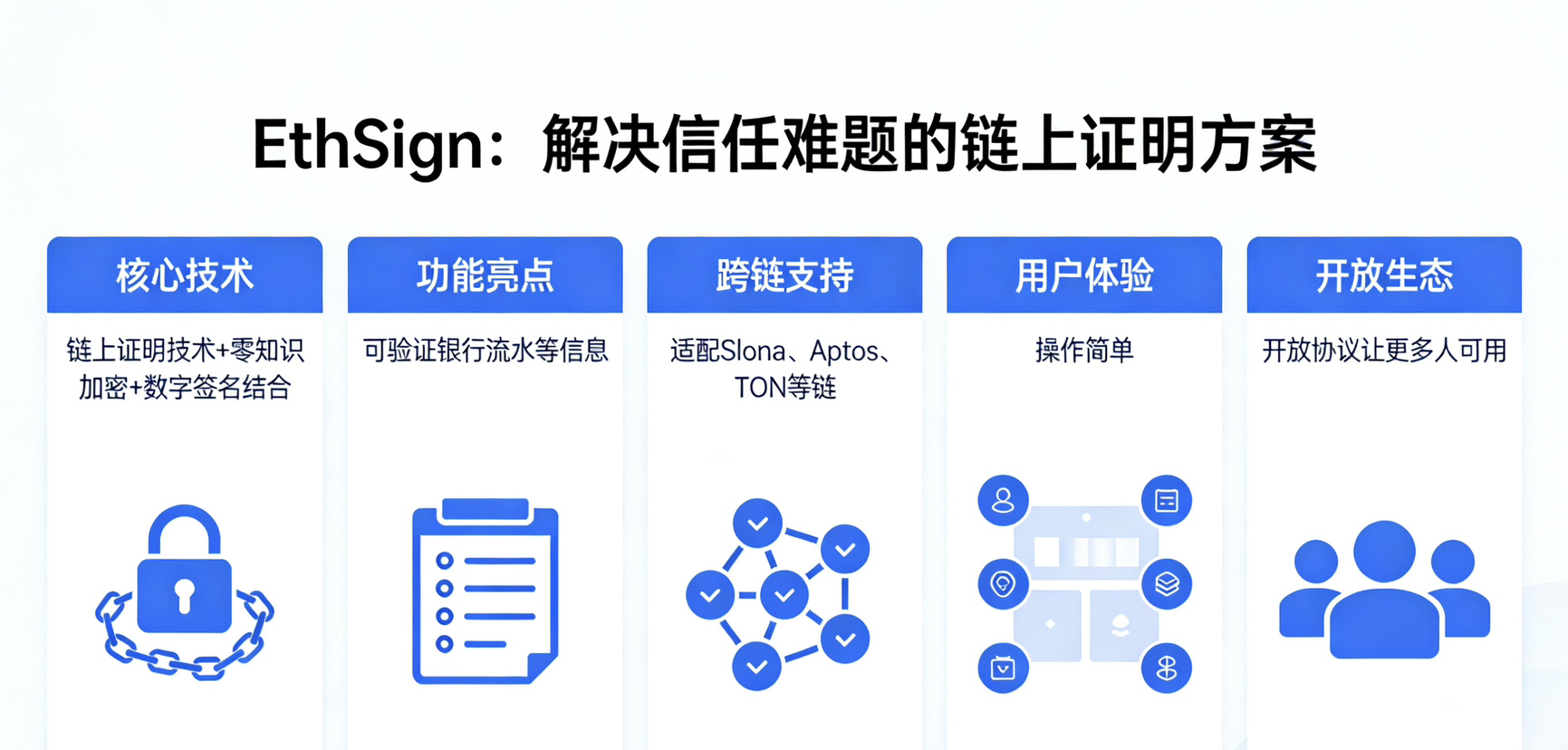 Once I figured this out, I understood why now stubbornly sticking to SIGN is not a gamble, but a precise alignment with the digital sovereignty demand in geopolitical games. Many people view @EthSign merely as an on-chain signing tool, but they fail to see the core of its S.I.G.N. architecture behind it—that is a sovereign-level digital infrastructure that integrates money, identity, and capital systems together, relying on the Sign Protocol to create a decentralized proof layer, using cryptographic attestations to replace the endorsements of centralized institutions. In simple terms, in the past, we relied on notaries and inter-state trust for proof; now we rely on code and immutable on-chain records to speak. Even if the traditional system has credit cracks, this digital proof can still be effective across regimes, which is exactly what these Middle Eastern countries lack most—the confidence for “de-linking.”
The Middle East is currently aggressively pursuing digital transformation. In the cross-border trade and energy asset transactions of Gulf countries, which step can be done without reliable verification? But the traditional centralized verification system ultimately lies in the hands of others. Once sanctions come, it becomes a choke point. The S.I.G.N. infrastructure perfectly addresses their urgent needs: a monetary system that supports CBDCs and compliant stablecoins, identity verification that protects privacy, and programmable capital distribution. More importantly, it offers evidence preservation across the entire chain, whether it’s contract signing, asset confirmation, or fund distribution—every step has on-chain verifiable cryptographic proof, resistant to censorship and not controlled by a single boundary. As a friend said, this is not an ordinary tool; it’s the foundational base that takes “the gateway of trust” back from others.
This week's market has fluctuated, and the PNL has also been a mix of red and green. It would be a lie to say it hasn't been frustrating, but I haven't panicked in my operations—there's an old saying that in chaotic times, one should invest in infrastructure. In today's digital age, this sovereign-level trust infrastructure is the hard currency in geopolitical hedging. The market hasn't fully priced in this cognitive gap yet; research reports are still reiterating macro data, and no one truly realizes that when Gulf countries move sovereign notarization and identity verification to this underlying protocol, $SIGN will no longer just be a tool currency; it will become the clearing unit of global trust assets.
After all, the fluctuation of oil prices is temporary, but the demand for trust in geopolitical games is eternal. Instead of chasing those opportunistic players, it’s better to stake a claim on such hardcore assets in advance—by the time everyone realizes that this is the core asset for geopolitical hedging, it will be too late to ask if one can take over.