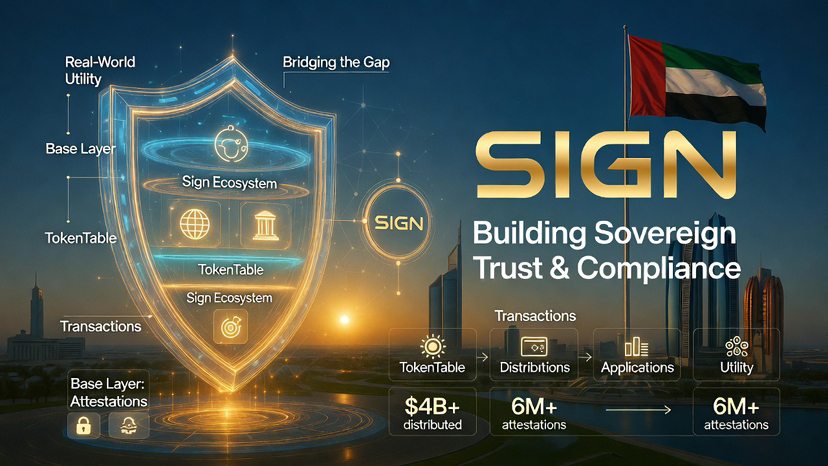
The early days of Web3 were about showing that we own something online. We made NFTs got our special identifiers and built digital collections that were really ours. But now that the industry is getting more mature people are starting to think about what they can do with these digital identities. This is where tokens like SIGN come in and they are changing the way we think about ownership. Of just owning something we can use these tokens to do things with our digital identities.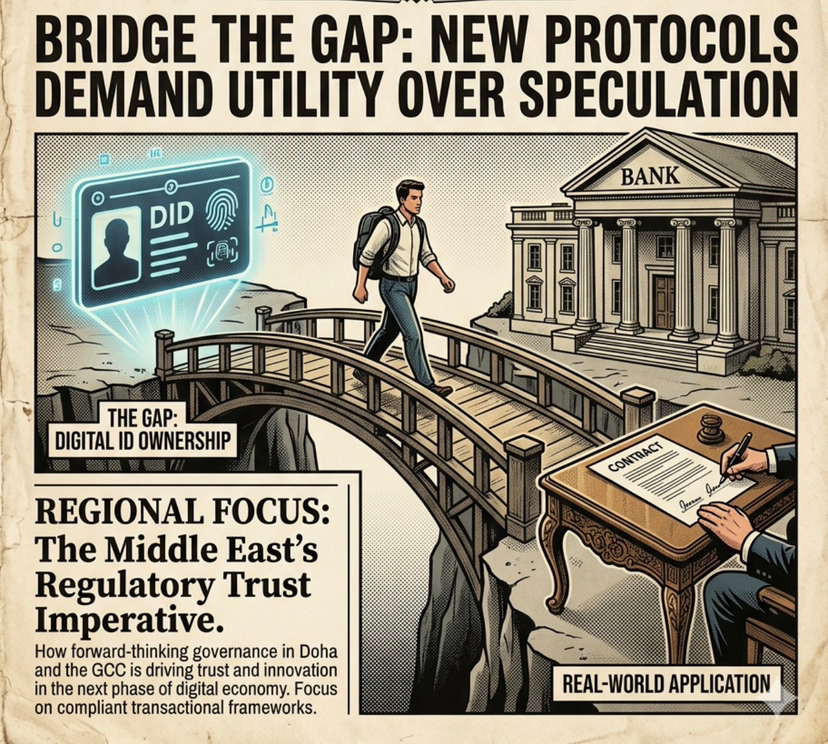
For a time the Web3 world worked in a way where who you were online and what you could do were two separate things. You could have an ID but when you wanted to do something complicated like a financial transaction that ID was not really used. There was a gap between proving you owned something and actually using it in a safe and compliant way. Tokens like SIGN are trying to fix this problem by providing a way to make these transactions happen securely.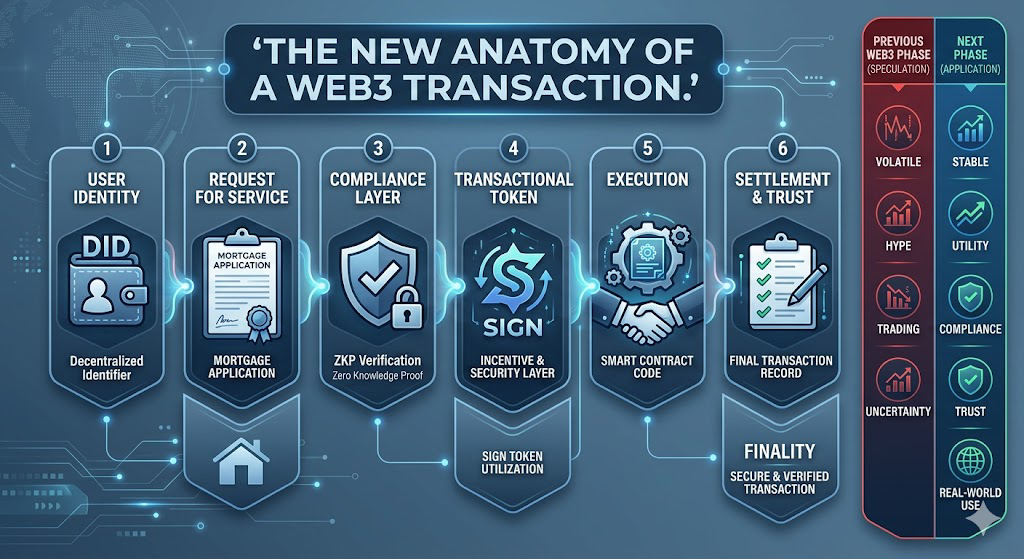
From Speculation to Substance
To understand what is happening in the market we need to look at the signs. We are moving away from a time when the only thing that mattered was how followers you had on social media. Now people want to see that there is demand for something, not just hype. When we look at whether a token's going to be successful we need to think about things like how much money is being traded and who owns the tokens.
It is no longer enough to have a lot of people talking about something. We need to see that people are actually using it and that it is a part of the system. The next big Web3 projects will be the ones that have found a way to make their token a crucial part of what they do not something people buy and sell. A token that has a lot of money behind it is less likely to have swings in value and is more attractive to big investors who need stability. Also when the people who own the tokens are spread out and not a few big owners it is a good sign that the project has a real and diverse community.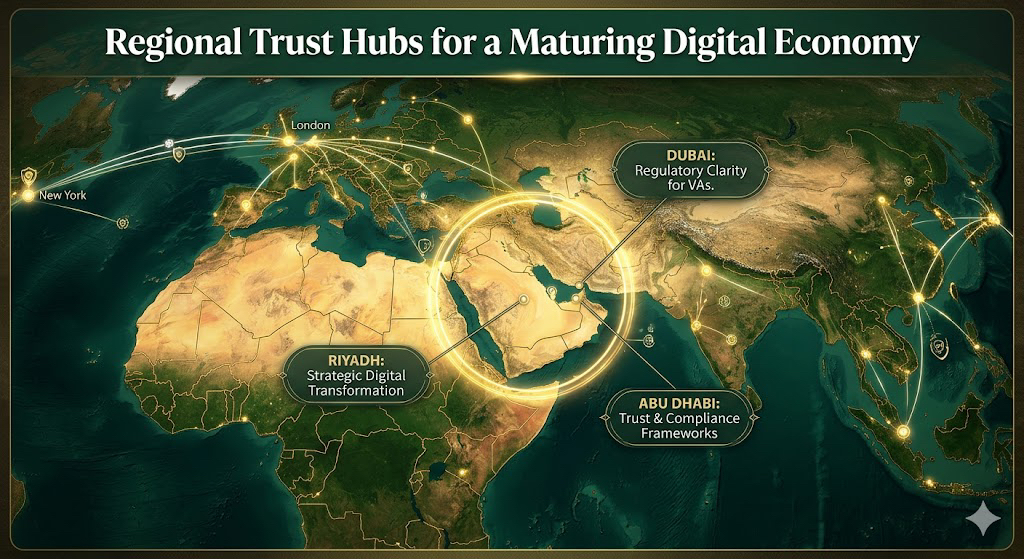
The SIGN Token as a Transaction Enabler
The phase of Web3 is all about moving from just saying "I own this" to asking "How can I use this to get things done?" Tokens like SIGN are focused on creating a system that rewards people for using their identities in real-world transactions.
This change is important because the old way of doing things in Web3 is not going to work. Governments are starting to regulate the industry closely and that is a good thing. For Web3 to work with the rest of the economy it needs to have reliable systems for identity and transactions. SIGN is part of the solution because it provides a way to make sure transactions are compliant and trustworthy.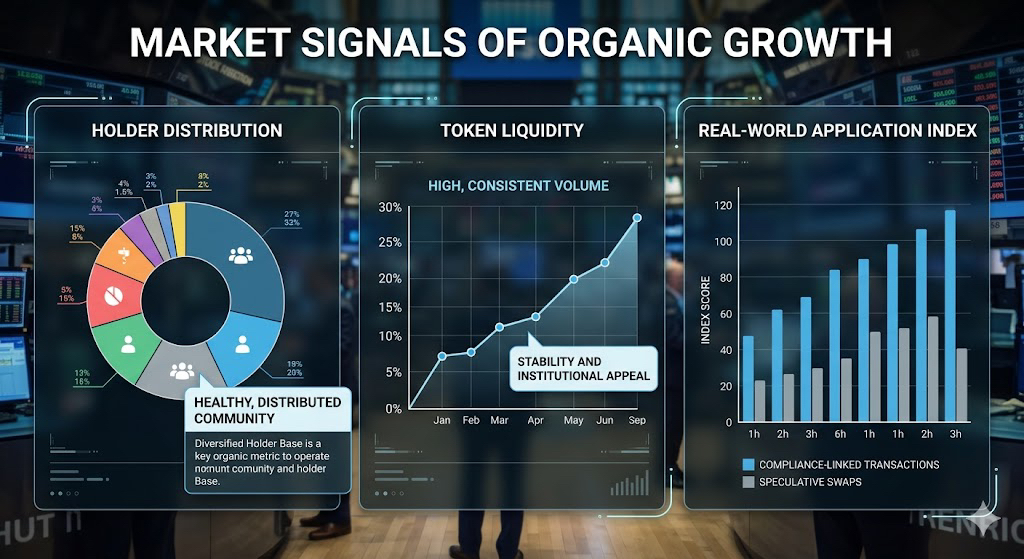
Trust and Compliance: The Middle East Opportunity
The focus on trust and compliance is especially important in the Middle East, where they are quickly becoming a leader in asset innovation. While the region is excited about technologies it also wants to make sure they are safe and follow the rules.
Countries in the GCC for example have created rules to govern assets. The good thing about this technology in the Middle East is that it can help with these efforts. By focusing on transactions that's compliant and can be verified tools like SIGN can help bridge the gap between new financial technologies and what the regulators need. In a region where trust and reputation de-crucial a technology that can show it is compliant will have a big advantage.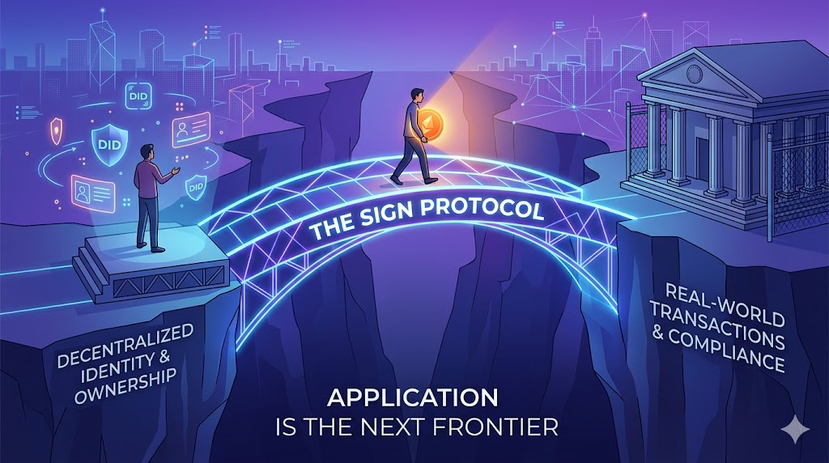
Let Looking Ahead
The next phase of Web3 is not about creating another hype cycle. It is about building the infrastructure that makes identity and ownership a powerful tool in the real economy. The gap between having an identity and using it in transactions is the biggest challenge we need to overcome.
Tokens that provide utility and can show strong market signals will be leading the way. The future of Web3 is not about having a digital identity but about using it to do business with confidence and trust both online and offline. Web3 is about using our identities to get things done and tokens like SIGN are making that possible. The Web3 space is. It is becoming more about what we can do, with our digital identities not just owning them.