
Most blockchains were never designed with governments in mind.
They were built for transparency, open access, and permissionless systems. That works well for decentralization, but it creates friction when you try to apply the same model to real-world institutions.
Governments don’t just need transparency. They need control.
Control over data, access, and compliance.
That’s where Midnight starts to feel different.
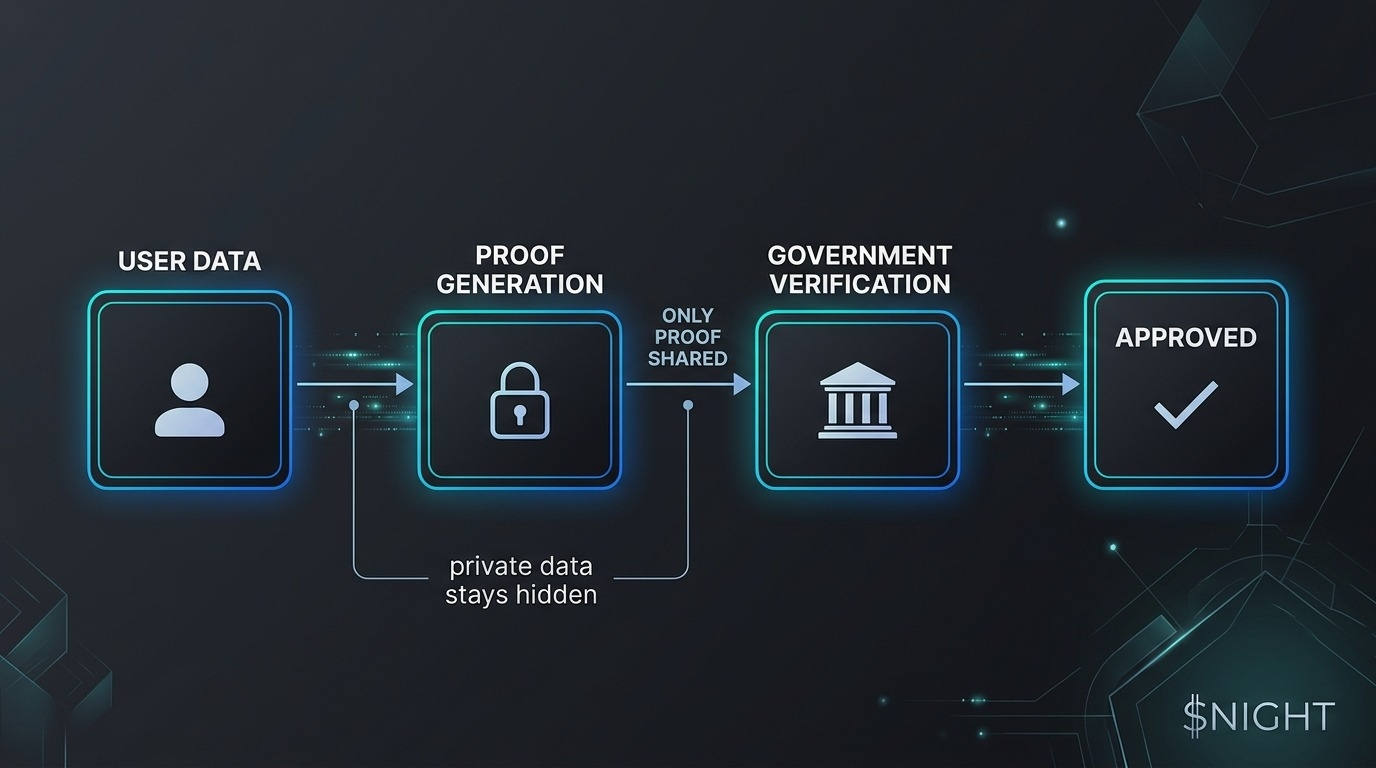
Instead of forcing everything to be visible, it allows systems to reveal only what is necessary. Through selective disclosure, data can remain private while still being verifiable.
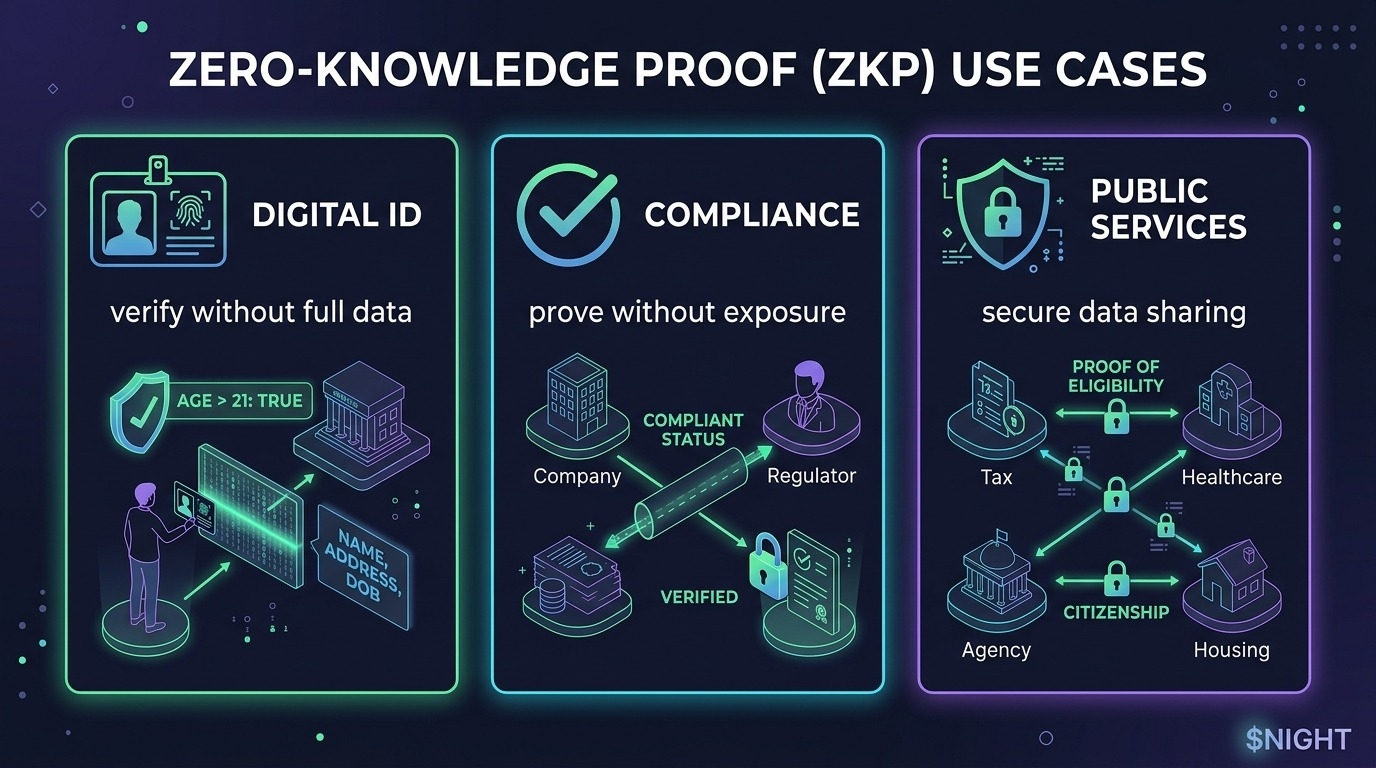
This is important for use cases like digital identity.
A government system doesn’t need to expose full personal records. It only needs to confirm specific attributes, like eligibility or status. Midnight makes that possible without exposing unnecessary data.
The same applies to compliance.
Institutions can prove they are following rules without revealing sensitive internal information. That balance between privacy and verification is something most blockchains struggle with.
Now looking forward, this could matter more than people expect.
If blockchain is going to be used in public systems, it needs to align with how those systems operate. That means controlled transparency, not full exposure.
Midnight is trying to build exactly that.
But let’s be realistic.
Government adoption is slow. It requires trust, testing, and regulatory alignment. Even if the technology fits, implementation takes time.
So I’m not expecting sudden adoption here.
But if projects like this continue developing, we might start seeing blockchain used in areas that were previously out of reach.
Not as a replacement for existing systems.
But as an upgrade to how data is verified and shared.
And if that happens, projects like $NIGHT won’t look niche anymore.
They’ll look necessary.
@MidnightNetwork #night $NIGHT
