

Entering 2026, the cryptocurrency market has crossed the simple 'narrative stage' and has officially entered the explosive year of sovereign-level applications and #RWA (real-world assets).
In this wave, @SignOfficial is becoming the core hub connecting the real world and the on-chain ecosystem with its positioning as the 'full-chain verification layer.'
1. What is Sign Protocol?
Sign Protocol is not just an application; it is a full-chain certification protocol.
In simple terms, it allows any fact (educational credentials, contract signing, asset ownership, identity qualifications) to be stored on-chain and globally verified in the form of 'Attestation' without relying on centralized institutions.
①Evolved from EthSign:
The team initially gained fame with the decentralized electronic signature product EthSign, and has now elevated it to an underlying full-chain protocol that supports mainstream public chains such as Ethereum, Solana, and TON.
②Core engine: Schema & Attestation.
By standardizing templates, enabling data interoperability in a cross-chain environment.
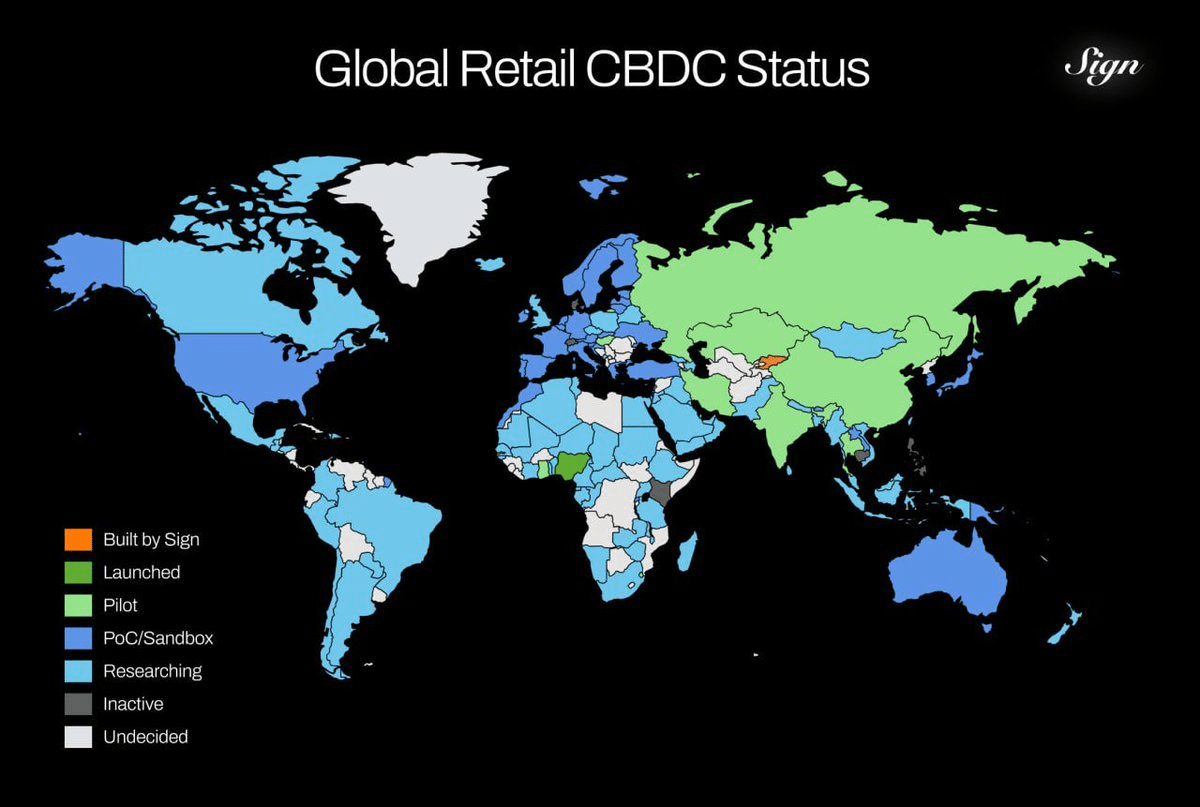
2. Geopolitical changes in 2026, the situation in the Middle East and sovereign-level trust
The current fluctuations in the geopolitics of the Middle East highlight the unique value of the Sign Protocol.
In an environment where traditional financial settlements may be hindered or centralized identity systems face risks, $SIGN the following services are provided.
#Sign地缘政治基建
①Digital safe haven:
Utilizing decentralized proofs to ensure that cross-border trade and legal contracts are not interrupted due to regional fluctuations.
②RWA confirmation standards:
As Dubai and Abu Dhabi RWA millions of real estate and oil and gas resources, Sign has become the preferred underlying verification tool for local governments and institutions.
③Global mobility of digital identity (DID):
Through SignPass, providing verifiable cross-border credit for digital nomads and those affected by the situation.

3. Is SIGN worth paying attention to?
①Infrastructure:
It is not about creating 'an application', but rather a 'trust plugin' for all applications.
Currently, more than 200 projects (covering DeFi, DAO, governance) have integrated Sign.
②Cash flow of TokenTable:
Its subsidiary TokenTable has processed billions of dollars in token distribution and is one of the most mature asset management platforms in Web3.
③Ecological closed loop:
The SIGN token plays a core role in paying verification fees, staking nodes, and governance within the protocol, and as the volume of verification requests increases, the demand for the token has rigid support.
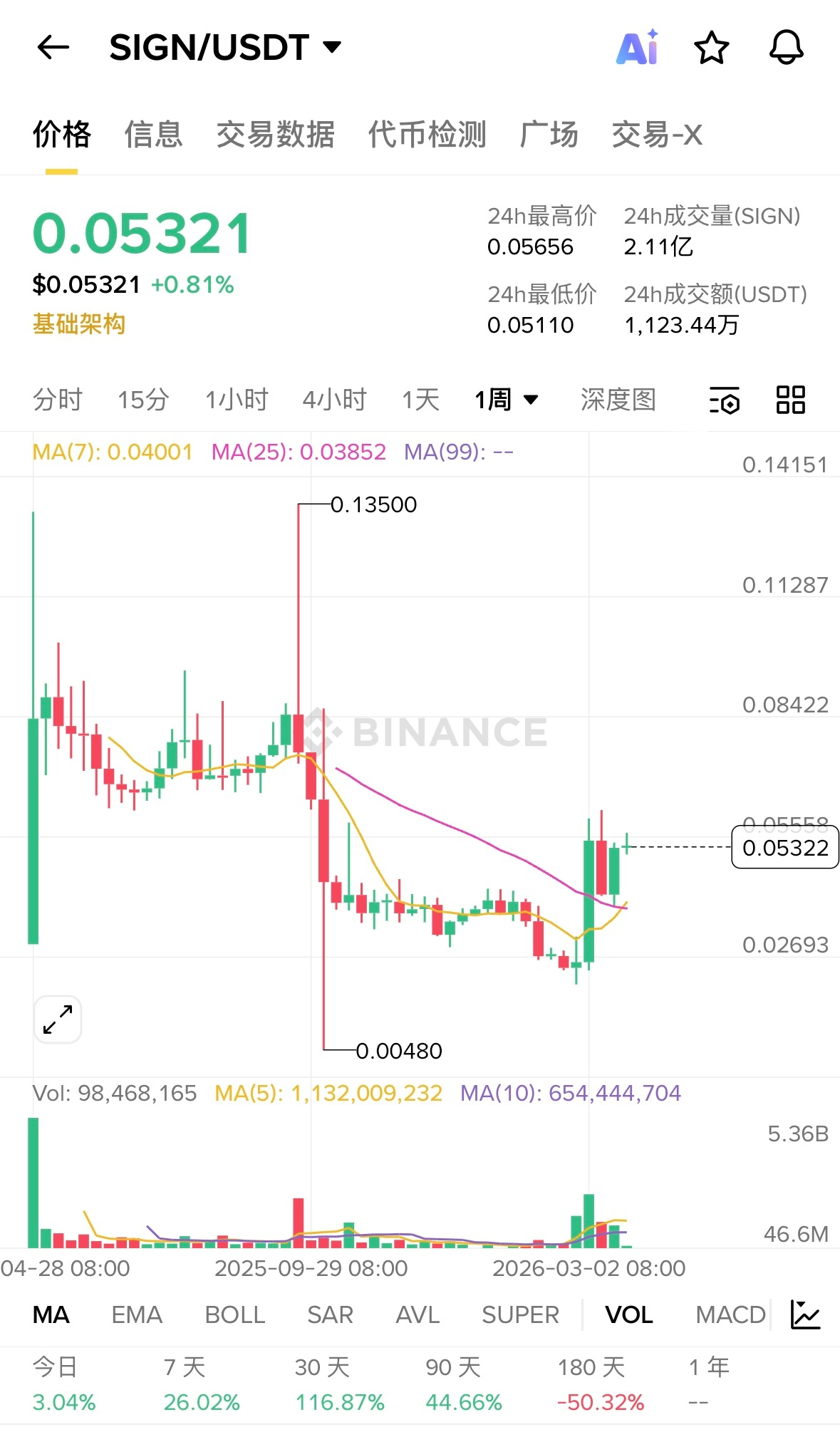
If blockchain resolves the issue of 'decentralized ledgers', then the Sign Protocol addresses the issue of 'decentralized facts'.
In today's web3 moving towards compliance and mass adoption, protocols that can meet government-level and institutional-level verification needs are the true long-term choice.
What do you think of the Sign Protocol?