
Recently, those who have been following (the peaceful years) should understand that the reason the chaotic era of the Five Dynasties and Ten Kingdoms can be so heart-wrenching and captivating is essentially a group of people stubbornly wrestling with the concept of 'order' amidst chaos—gradually piecing together the scattered forces, broken rules, and vague human sentiments to form a foundation that can support peace. When looking at SIGN's sovereign-level digital infrastructure, it suddenly feels like these two matters are fundamentally the same: the former builds order in a historical chaotic era, while the latter establishes a framework in digital chaos, and both are about thoroughly tackling the 'tough nuts to crack.'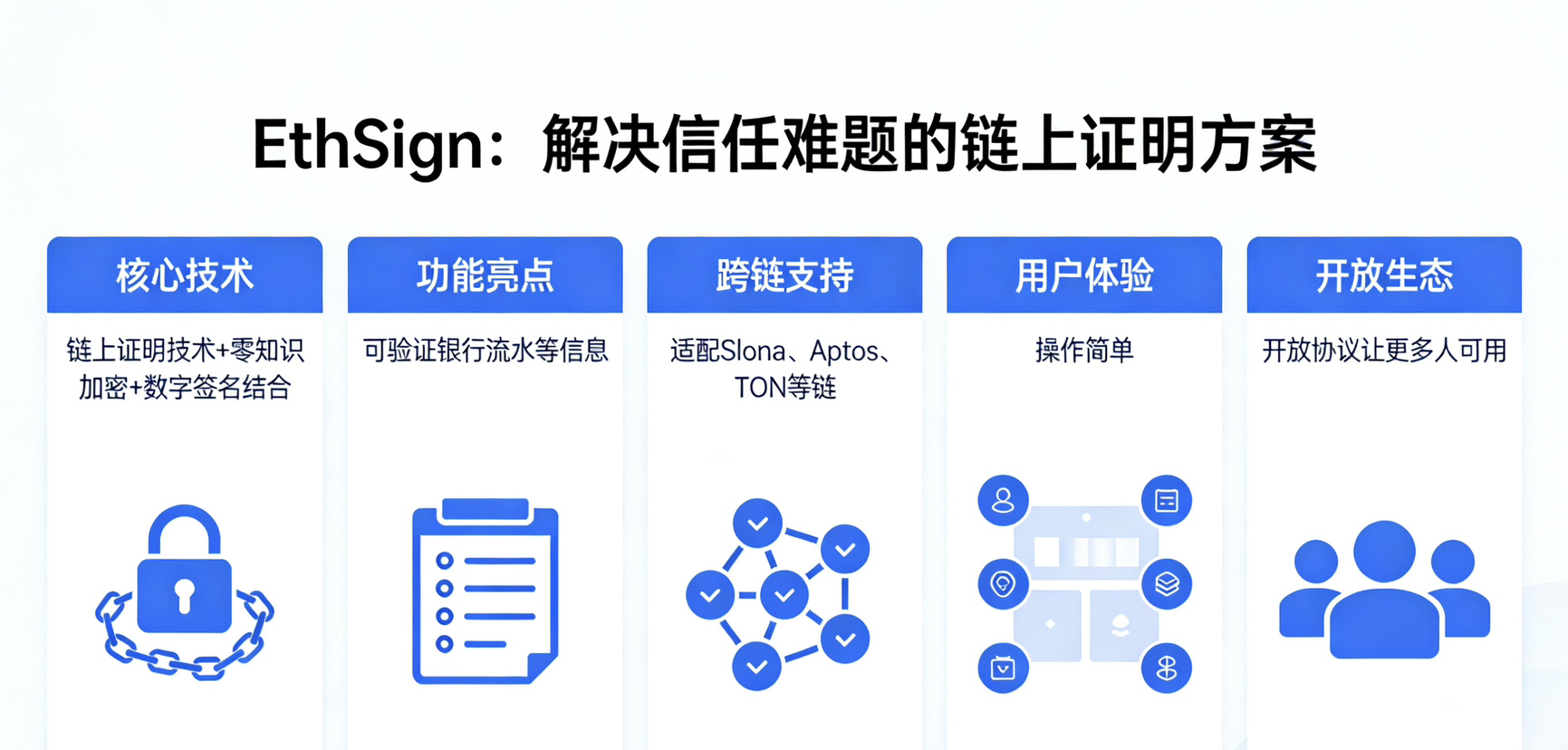
Anyone who has been involved with digital infrastructure, CBDCs, or on-chain verification should have felt this: wanting to conduct cross-system verification, either the data across platforms is incompatible, or privacy and auditing are at odds, or national-level high concurrency directly overwhelms the system, just like in the Five Dynasties and Ten Kingdoms where "the strong and well-equipped are favored by heaven"; without unified rules, everything becomes awkward. But the most impressive part of SIGN is that it directly provides a set of practical "sovereign-level order" for the three core areas of currency, identity, and capital in digital infrastructure, not just an abstract concept floating in the air, but a solid structure that can solve real problems.
Its three core systems are like the kings of Wu and Yue, Zhao Kuangyin, each guarding their own territory yet able to collaborate, each with their own expertise but forming a whole. The new currency system allows CBDCs and compliant stablecoins to operate freely on public and private chains, with policy-level controls, real-time settlement + emergency control, equivalent to equipping the digital money flow with smart traffic lights, ensuring both smoothness and stability; the new identity system uses W3C verifiable credentials for privacy verification without a central API, usable offline via QR or NFC, like issuing each person a non-forgeable digital identity card that can be selectively displayed, safe and convenient; the new capital system is even more impressive, with subsidies, grants, and incentives, allowing for precise programmatic distribution, fully traceable, fundamentally eliminating duplicate issuance, making the budget clear on where and how it is spent.
What supports all of this is the evidence layer of SIGN, which is like the "historical record" in (Tai Ping Nian) where all actions can be traced. Sign Protocol serves as the core, turning all operations into verifiable encrypted records using schemas and attestations, supporting on-chain, off-chain, and hybrid modes, and even offering ZK privacy proofs to conceal sensitive data and meet auditing needs. Whether it's cross-agency verification or national-level high-concurrency operations, who did it, when it was done, and according to what rules, can be checked accurately, no longer relying on "mutual trust". After all, in the digital world, trust is unreliable, but verifiable evidence is dependable.
What's more remarkable is that SIGN is not a rigid product; it's a flexible blueprint that can adapt, with public chain, private chain, and hybrid deployment modes chosen as needed, just as (Tai Ping Nian) was not ruled by a single method. Its Sign Protocol, TokenTable, and EthSign each have their own capabilities, usable alone or combined into an overall architecture, with core primitives interconnected, eliminating the need to reinvent the wheel. Moreover, it embraces open-source standards throughout, not locking users into any specific vendor or network, creating a sense of openness, akin to not closing off the country during chaotic times, but rather opening various channels to let order truly take root.
Looking at the digital infrastructure space now, it is actually like the Five Dynasties and Ten Kingdoms before the launch of (Tai Ping Nian); everyone is doing something, but it's all scattered, lacking a framework that can coordinate the overall situation, attend to details, and be practical. SIGN is the "guardian" willing to tackle tough challenges, balancing seemingly contradictory demands like privacy, auditing, interoperability, and high concurrency to establish new rules of the game for sovereign-level digital infrastructure. #Sign地缘政治基建 $SIGN
Just as (Tai Ping Nian) helped the audience understand that "peace is never taken for granted, but is supported by rules and adherence", SIGN also shows us that good digital infrastructure is never just a simple pile of technology, but rather forms a set of order capable of supporting the needs of nations, institutions, and individuals. In this increasingly complex digital world, the ability to turn "trust" into verifiable, traceable, and operational infrastructure is what truly has a future. Anyway, I have been convinced; after all, who doesn't want to follow a reliable order in a digital chaos? @SignOfficial