

SIGN and the Era of Identity Portability
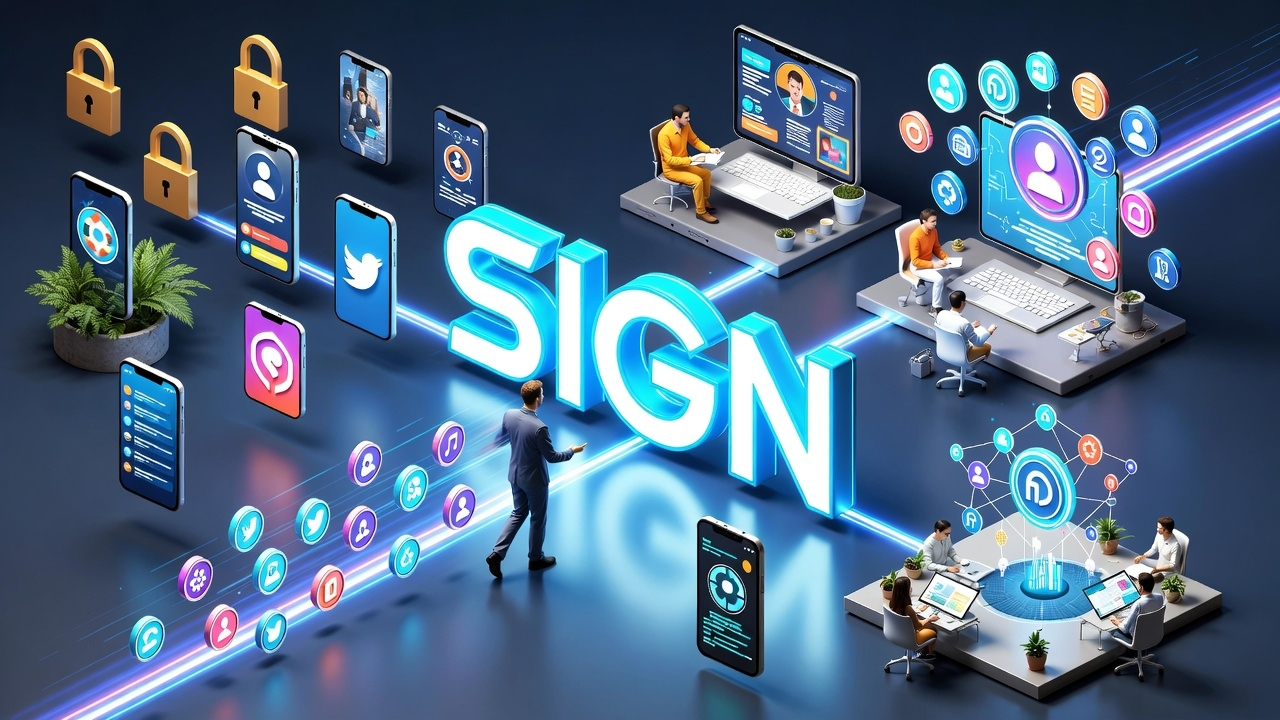
Some recent developments show a fairly clear direction: digital identity is beginning to move out of closed platforms towards more portable systems. This is where SIGN finds its new role, not just as a verification tool, but as a binder of credentials that can move across ecosystems without losing their validity.
So far, digital credentials, whether they are certificates, reputations, or access, tend to be locked within one platform. What we build in one place often cannot be taken to another. However, recent approaches are beginning to change this pattern. SIGN is starting to be used as a mechanism that allows these credentials to be 'carried' by their owners, not by the platform. This means that control shifts from the system to the individual.
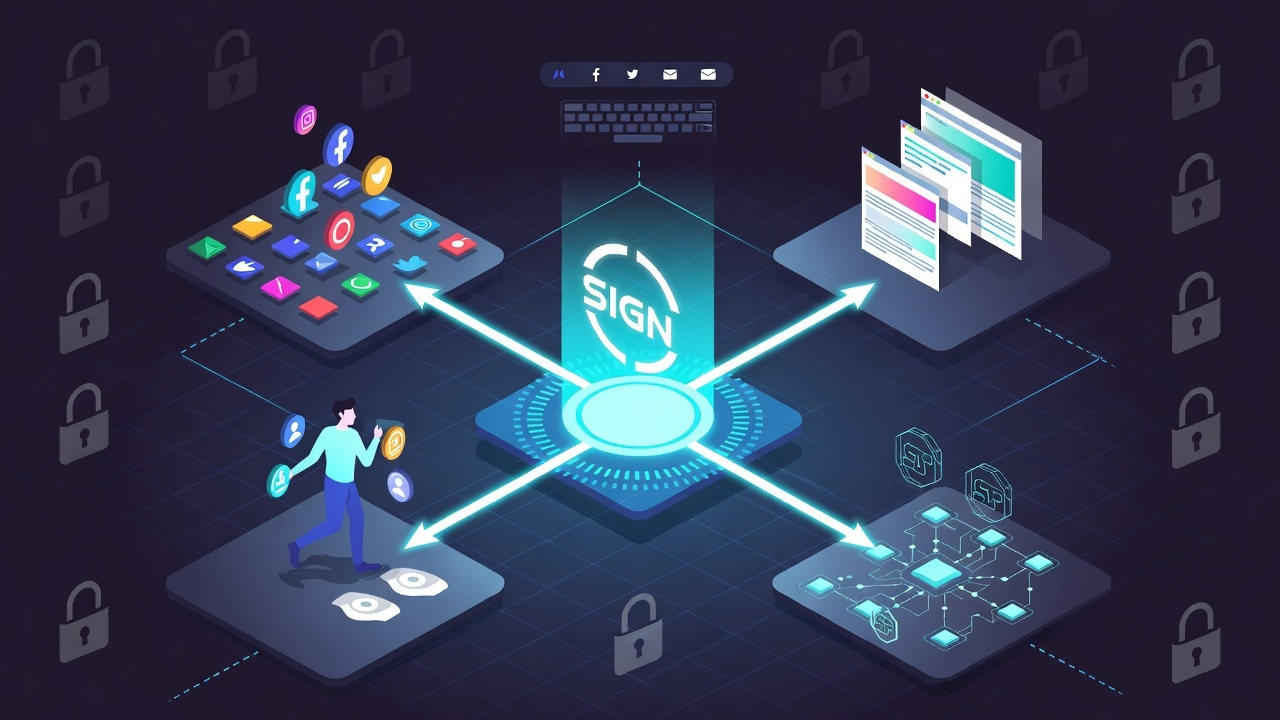
This change feels significant because it recreates the relationship between users and digital infrastructure. SIGN becomes a kind of connector that ensures credentials remain valid, even when moving contexts. It's not just about security, but also about the continuity of identity. People no longer need to "start from scratch" every time they enter a new environment.
Interestingly, this direction also opens up new possibilities in token distribution and reputation-based access. SIGN not only verifies who someone is, but also what they have done and how they interact in various digital spaces. In this way, SIGN begins to function as a living narrative, a continuously evolving and verifiable record.
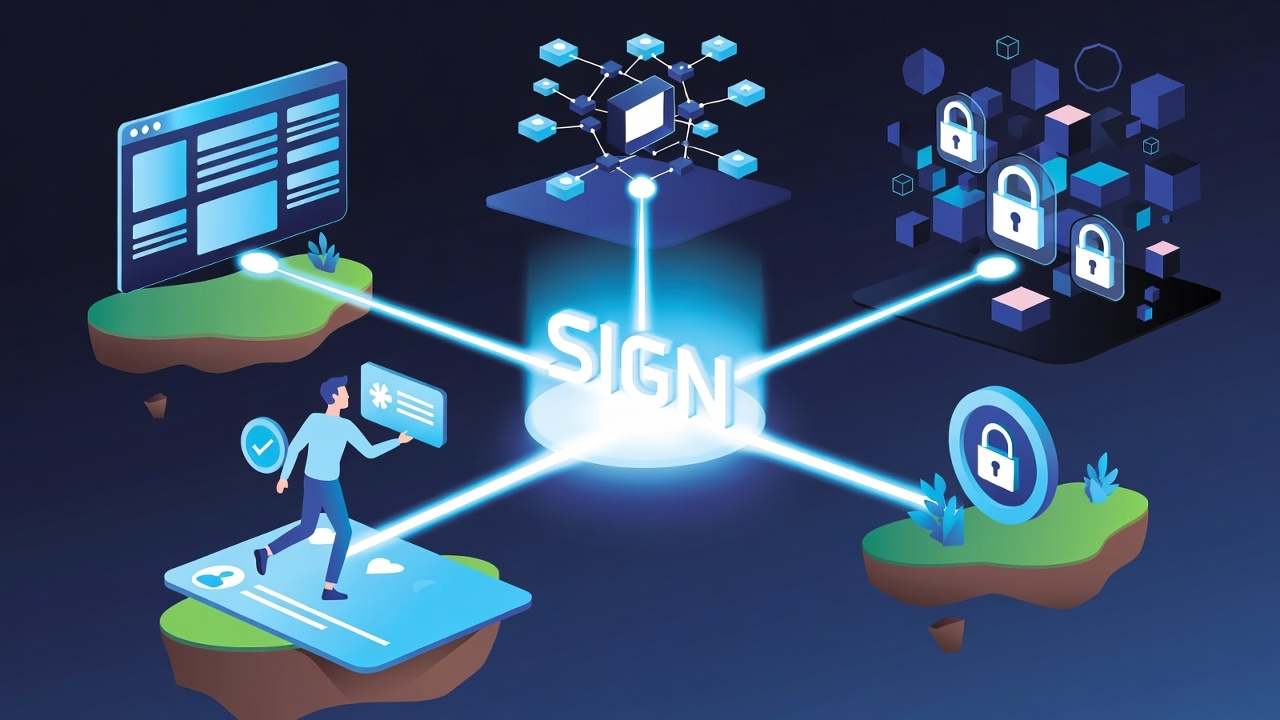
In practice, this makes SIGN more than just a technical layer. It becomes part of a broader user experience. When someone moves from one platform to another and retains their credentials, there is a sense of continuity that was previously absent. Identity feels more whole, not fragmented.
The most noticeable thing is the subtle shift of power. Platforms are no longer the sole guardians of identity. SIGN helps create a system where individuals have a greater role in managing who they are in the digital world. This is not just a technological change, but also a change in how we perceive ownership of identity itself.
@SignOfficial #SignDigitalSovereignInfra $SIGN
