
Lately, I’ve been thinking about what actually constitutes "mass adoption." For years, we’ve used the term as a synonym for "more liquidity" or "higher token prices." But if you want to understand what true adoption looks like—the kind that moves trillions, not millions—you have to look past the influencers and toward the foundation. The real story of 2026 isn't about which dApp got the most users; it's about which infrastructure the institutions actually trust.
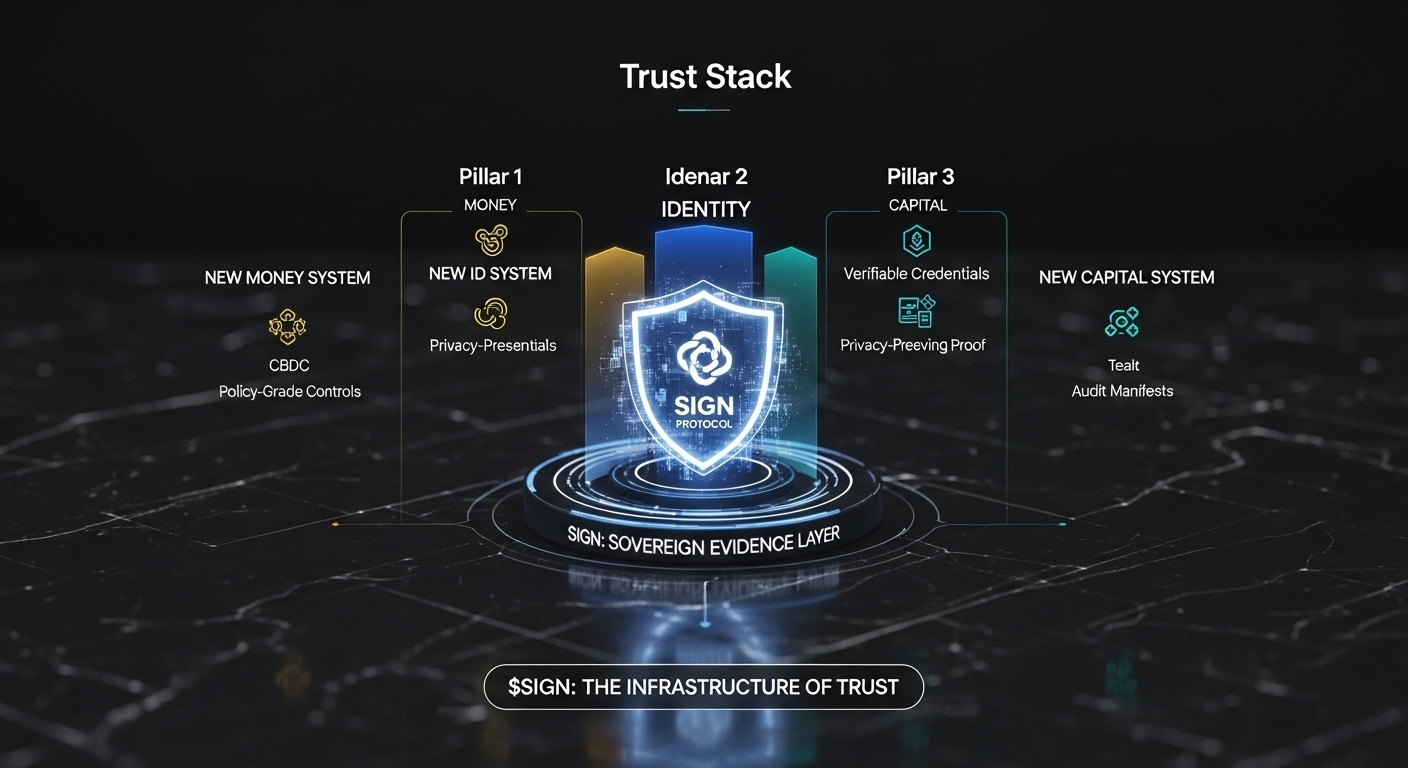
This is why the strategic shift in the Middle East is so fascinating. You have nations with incredibly ambitious economic targets—Vision 2030, Dubai’s D33—where the requirement for "sovereignty" isn't optional. In that landscape, the "transparency at all costs" mantra of the early crypto days is a weakness. You don't build a national identity system or a digital money rail on a public blackboard where every transaction is readable by anyone with a block explorer. This is what I call the "Glass Room" paradox: You need blockchain for the efficiency and immutability, but you can’t use it if it reveals the very data that requires security.
This is where the distinction between a product and an infrastructure becomes critical. While much of the ecosystem is still selling apps, @SignOfficial is quietly delivering the blueprint for the S.I.G.N. (Sovereign Infrastructure for Global Nations) framework.
Sign Protocol and the $SIGN token aren't offering a new way to trade; they are offering a new way to verify. They provide an "evidence layer"—omni-chain attestations that allow a government or corporation to prove a claim is true (like a credential being valid or a payment being settled) without forcing the raw, sensitive data onto a public ledger.
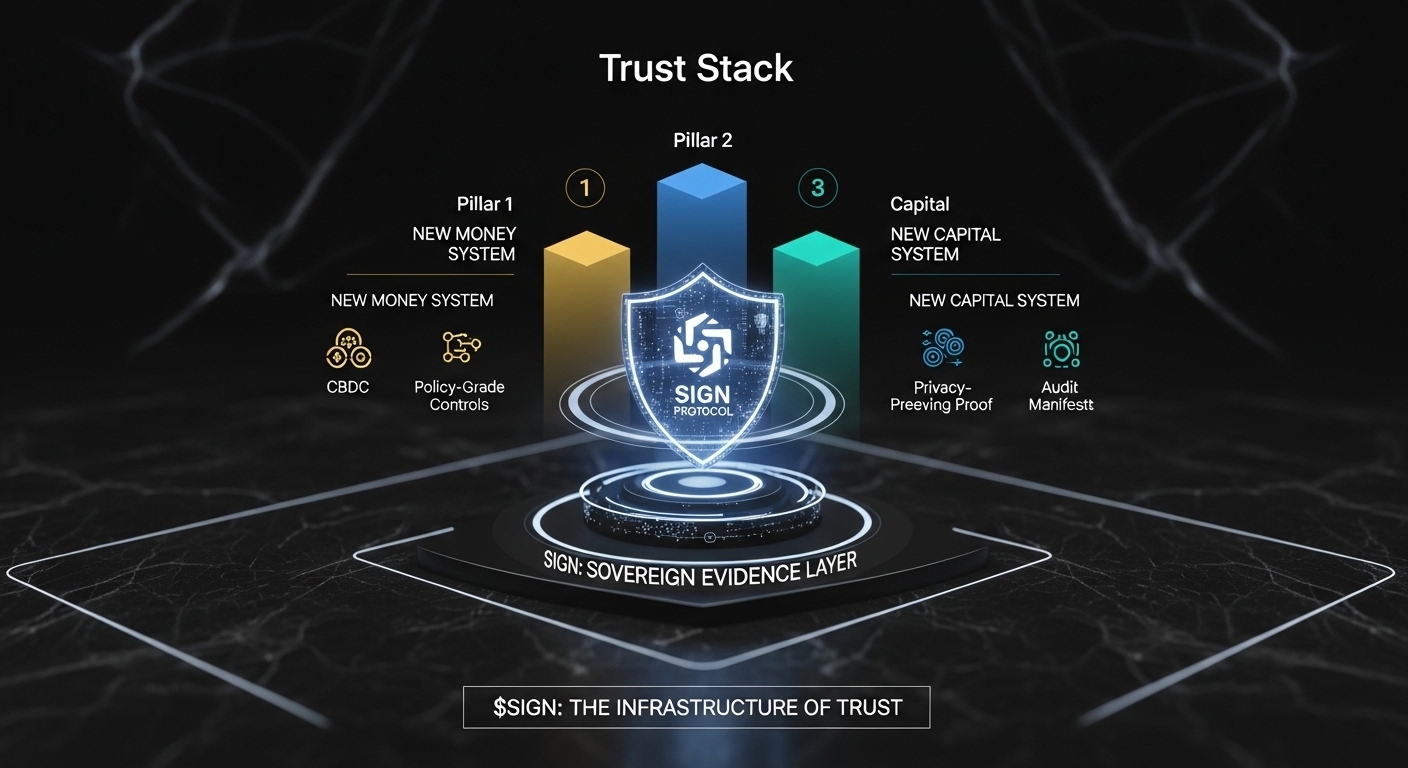
This isn't a speculative narrative; it's the missing link. When the Middle East invests billions into programmatic grants for its tech ecosystem, or when it issues a sovereign-grade CBDC, it needs a verifiable foundation that integrates into its existing legal and audit frameworks. It needs infrastructure that handles privacy by default and performance at national scale. The "Trust Layer" isn't a nice-to-have; it’s the floor.
The quiet infrastructure projects are often the ones that stick around when the flashy ones burn out. While the rest of the world is distracted by the loud marketing, the Middle East is building the structure of its digital sovereignty. The true "bull market" of the future won't be about hype; it will be about verifiable history, and $SIGN is positioned to provide the code for that history.