
$NIGHT In the white paper, there is a design that I think is underrated: Babel Station.
The white paper states clearly that users can create and submit transactions without DUST, as long as they have a payment intention, such as using non-NIGHT assets or even fiat currency; if Babel Station accepts this request, the site operator will cover the DUST needed to execute the transaction on behalf of the user, sending the transaction into the Midnight network.
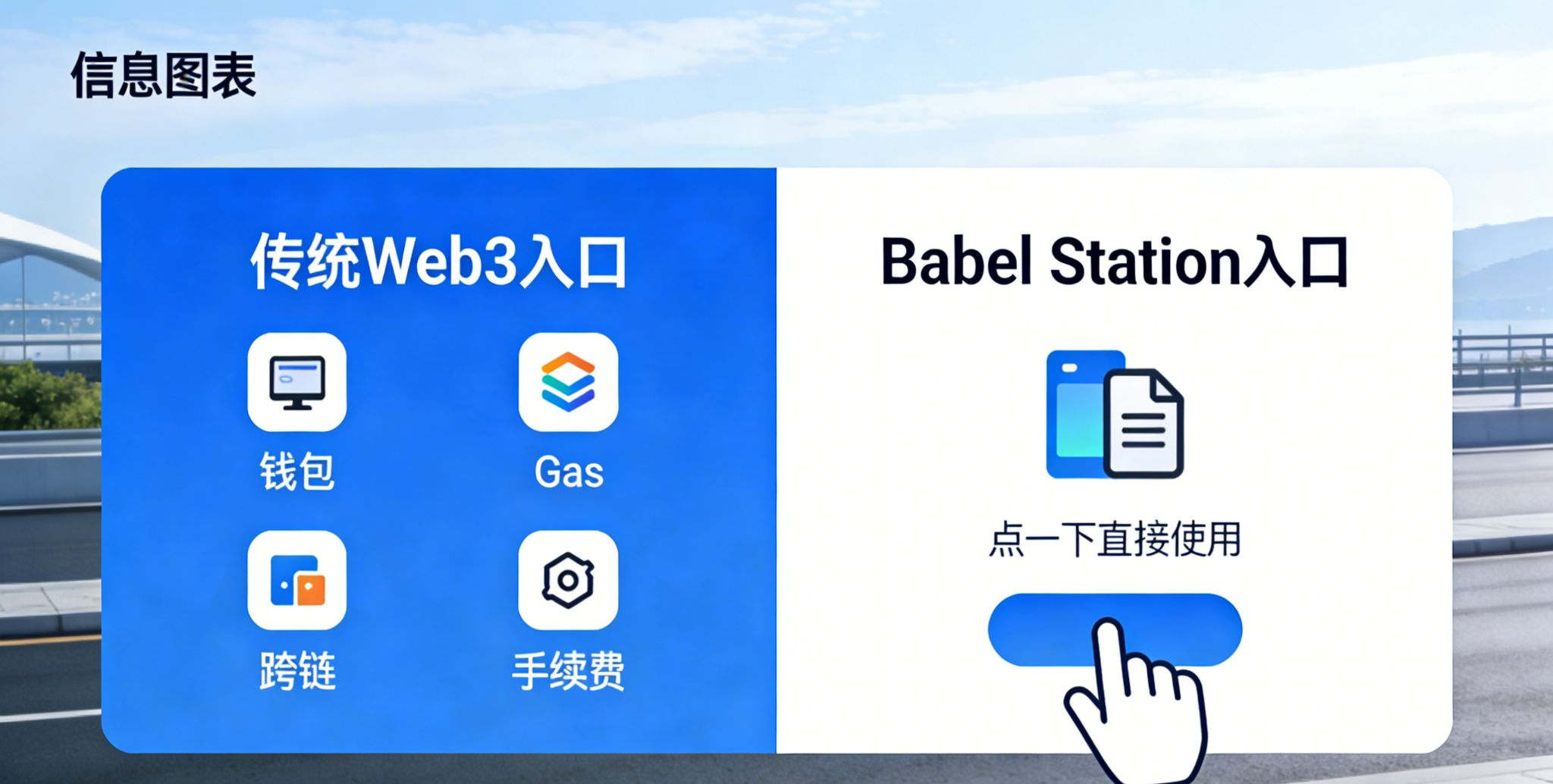
This seems like 'paying the transaction fee on behalf of someone else', but I think the truly important aspect is not this.
What really matters is that it changes a very fundamental product logic:
The past is about understanding the chain first before applying it.
Babel Station wants to change to using the application first; as for whether the underlying layer is blockchain, users might not even need to know it at first.
The white paper even directly mentions that this model allows applications to become an effectively tokenless experience, meaning that for end users, the complexity of blockchain can be abstracted away; users do not need to own NIGHT or understand DUST to access Midnight's applications.
I believe this is closer to the true user explosion point than 'privacy itself'.
Because in the past few years, Web3 has been talking about Mass Adoption, but the real logic of many products is actually:
'Welcome all new users, please learn about wallets, signatures, Gas, and bridges first, then come experience the future.'
This is very much like a restaurant that says at the entrance:
'Welcome to enjoy delicious food, but please learn to cook by yourself first.'
It would be strange if it could be popular.
The significance of Babel Station is that it is the first time it is seriously answering a product question:
How to allow users to use the chain without first understanding it.
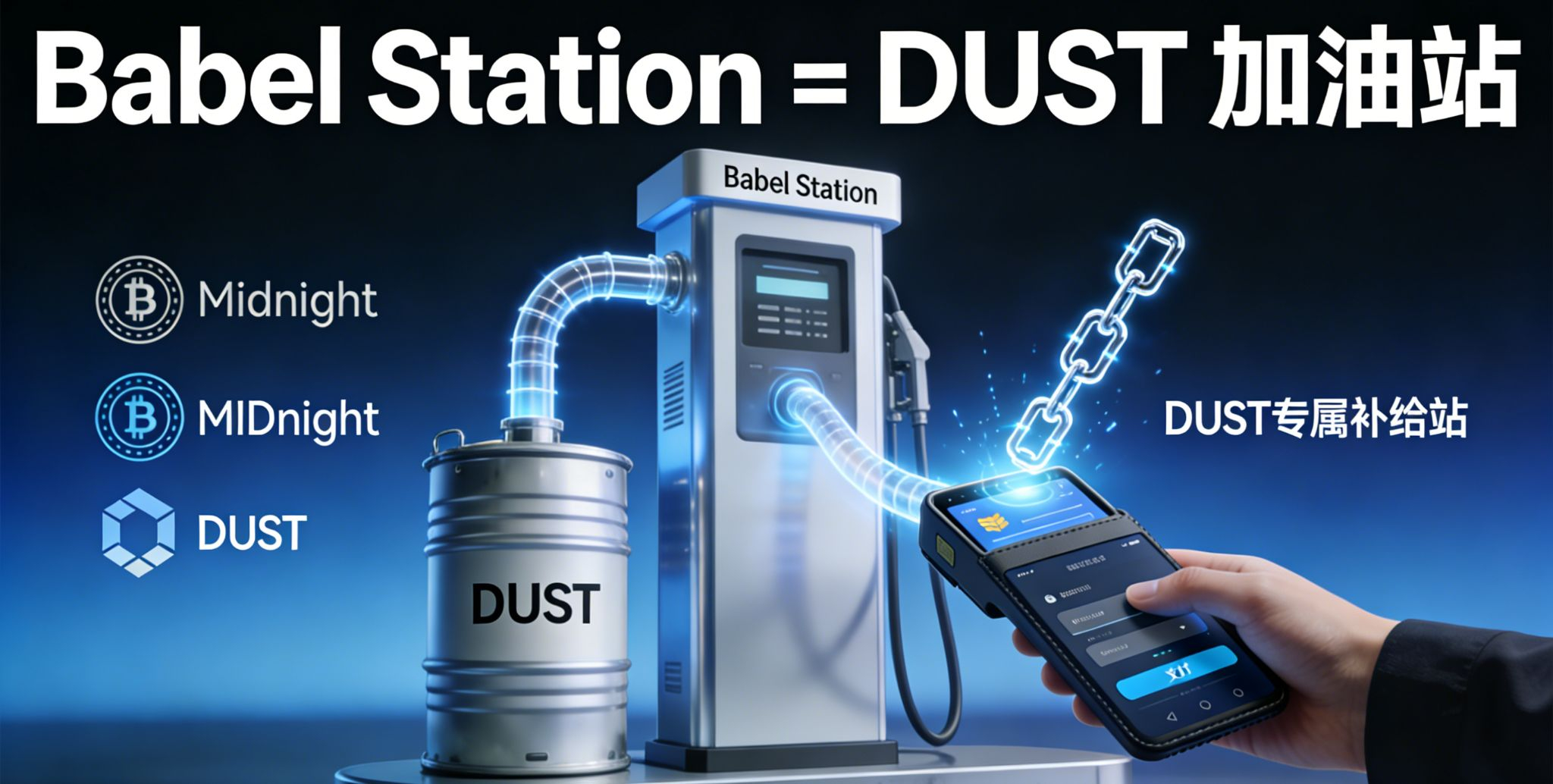
This means Babel Station is not an isolated small feature, but the front-end entry of the entire capacity market.
In other words, one end connects to user experience, and the other end connects to the supply network of DUST.
From this perspective, what Babel Station is doing is not 'saving a step for users', but helping Midnight establish a new division of labor system:
Users are responsible for proposing demands
Service providers are responsible for supplying DUST
Holders of NIGHT are responsible for providing resources
The network and Treasury form a more complete economic closed loop from this.
This is why I say it is not a small optimization, but a rewriting of the entry logic.
Next, let's look at an ecological relationship diagram

So in my view, the real value of Babel Station is not the endpoint, but a very smart transitional phase.
It is not the final answer,
But it could be@MidnightNetwork The first step from 'technical story' to 'user story'.