
In previous parts, we discussed L2 speed and the entry of financial giants. But in March 2026, the Ethereum ecosystem is not one network – it is an archipelago of interconnected islands (Arbitrum, Optimism, Linea, Base). The user does not want to think about which network their funds are in. They want liquidity. This is where Interoperability comes in.
In March 2026, the concept of a “bridge” is becoming obsolete. Instead of building risky walkways, the network has developed a natural value transfer system.
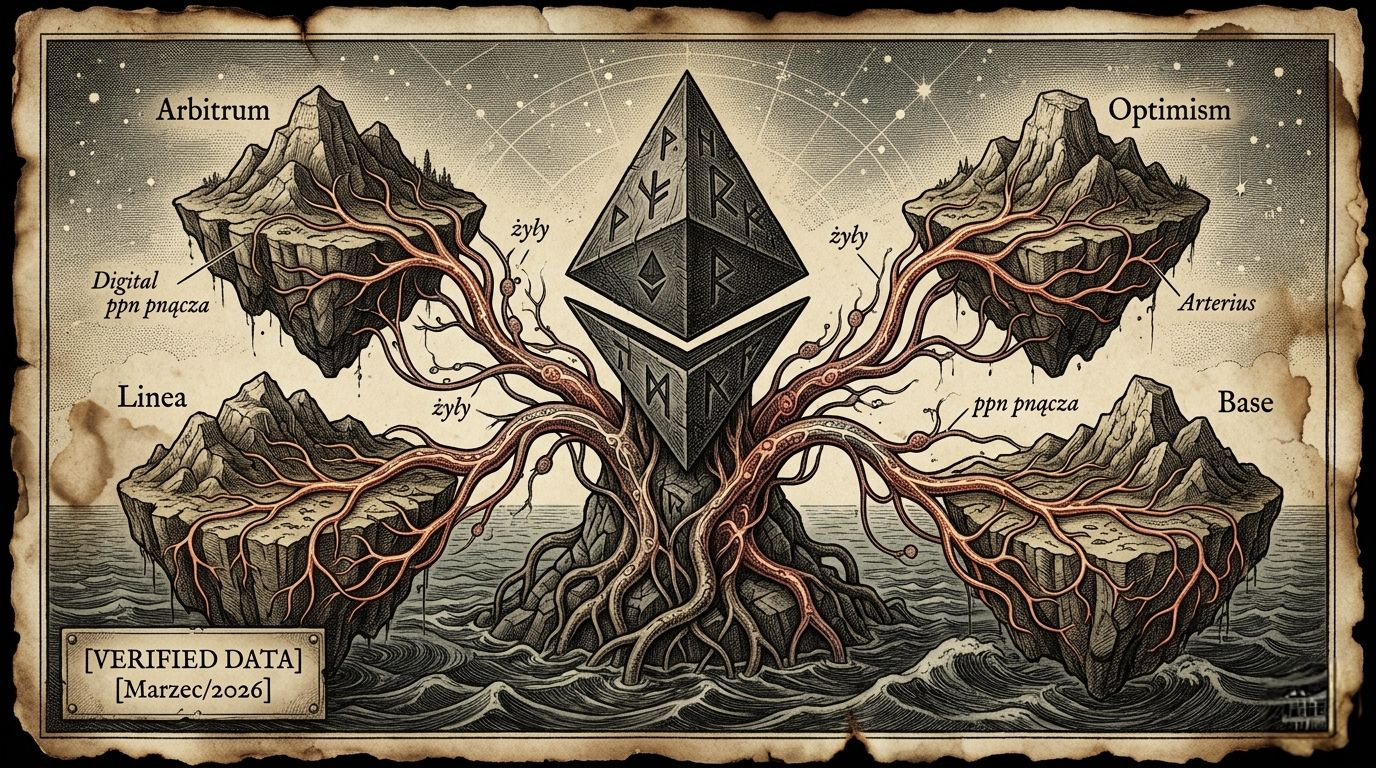
1. Chainlink CCIP ($LINK ) – Main Arteries
Imagine CCIP as the main arteries of the ecosystem. They pump billions of dollars in tokenized assets (RWA) from BlackRock or Visa payments with bank security guarantees. The transfer of data and tokens occurs as naturally as the flow of oxygen in the body.
2. LayerZero ($ZRO) – Capillaries
LayerZero is a network of capillaries. It allows applications to 'breathe' across multiple networks simultaneously (Omnichain). Thanks to it, your token is not trapped on one layer – it simply moves to where it is needed, in a fraction of a second.
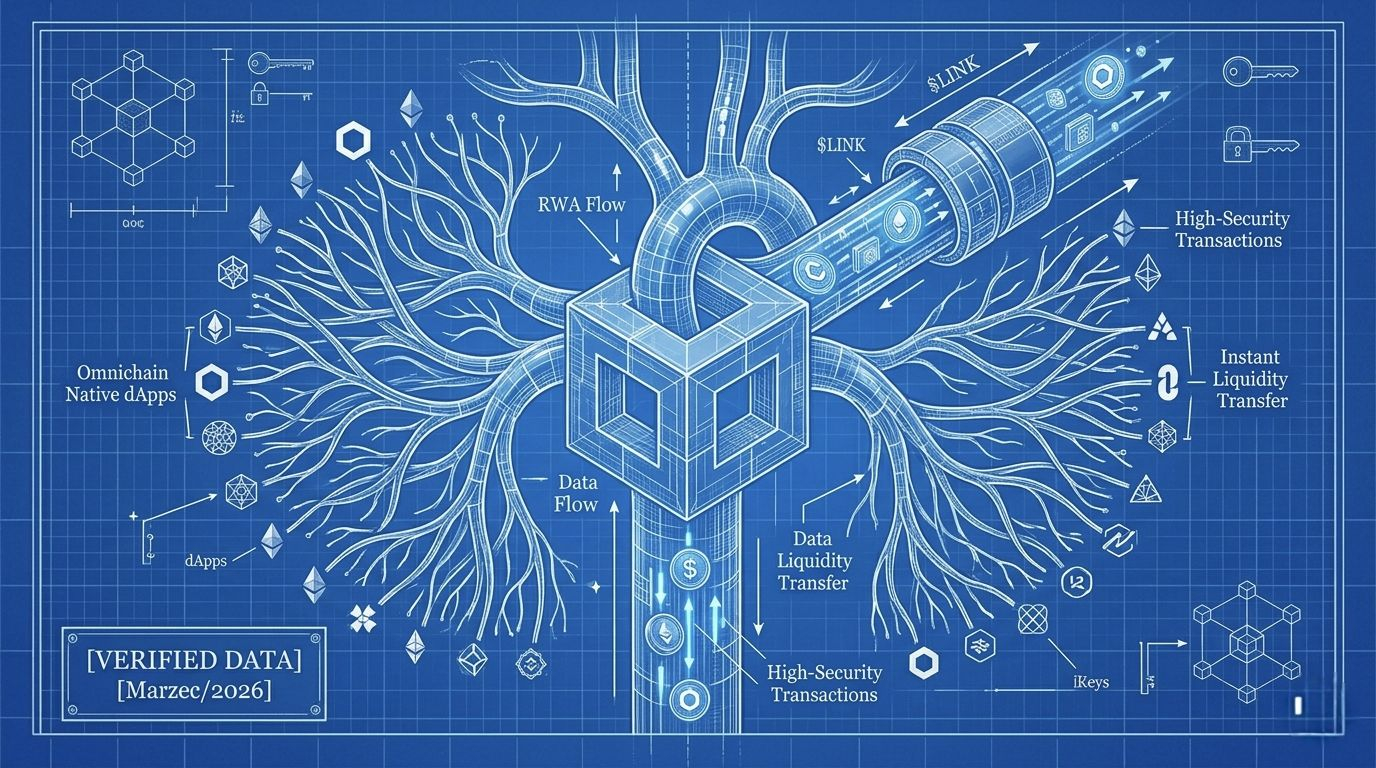
Data hive: Why does it work?
The ecosystem resembles a gigantic, vibrant ant colony. Each network participant (ant) performs their task, and communication systems ensure that resources reach the appropriate chambers (dApps). There is no central point of failure – only dynamic, biological cooperation.
Curiosities:
Security: CCIP introduced 'ARM' (Active Risk Management) – it's like an immune system that automatically cuts off an infected vein, protecting the rest of the body from losses.
Omnichain: In 2026, most new projects will launch as 'Omnichain Native' – immediately present throughout the Ethereum bloodstream.
Interoperability makes barriers disappear. Ethereum becomes one cohesive organism where capital flows freely.
#Interoperability #Layerzero #Ethereum2026 #Omnichain #Write2earn $ZRO $ETH