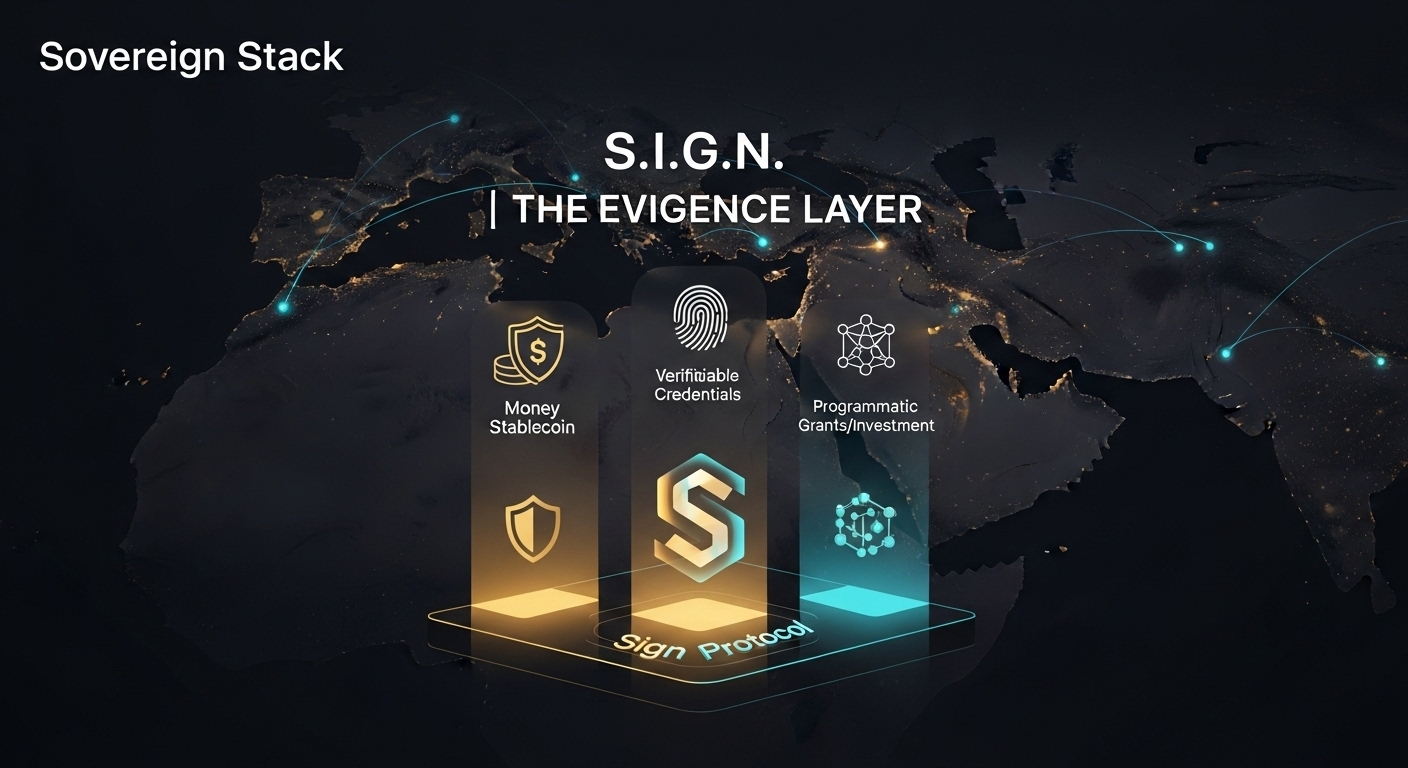
If you look at the headlines coming out of the Middle East right now—from Abu Dhabi’s push for "AI-native" government to the massive digital transformation in Saudi Arabia—it’s clear we’re past the era of just "trading crypto." The region is no longer interested in being a playground for speculative assets; it’s building a fortress.
But there’s a missing piece in the conversation: Verification. We’ve spent 2024 and 2025 obsessed with "transparency," but transparency without control is a risk, not an asset. For a nation-state or a major financial institution, showing every transaction on a public board isn't innovation—it's a security flaw. This is the "Glass Room" problem we’ve been ignoring. How do you move billions in capital, verify identities for 15 million citizens, or issue a CBDC while maintaining actual sovereignty?
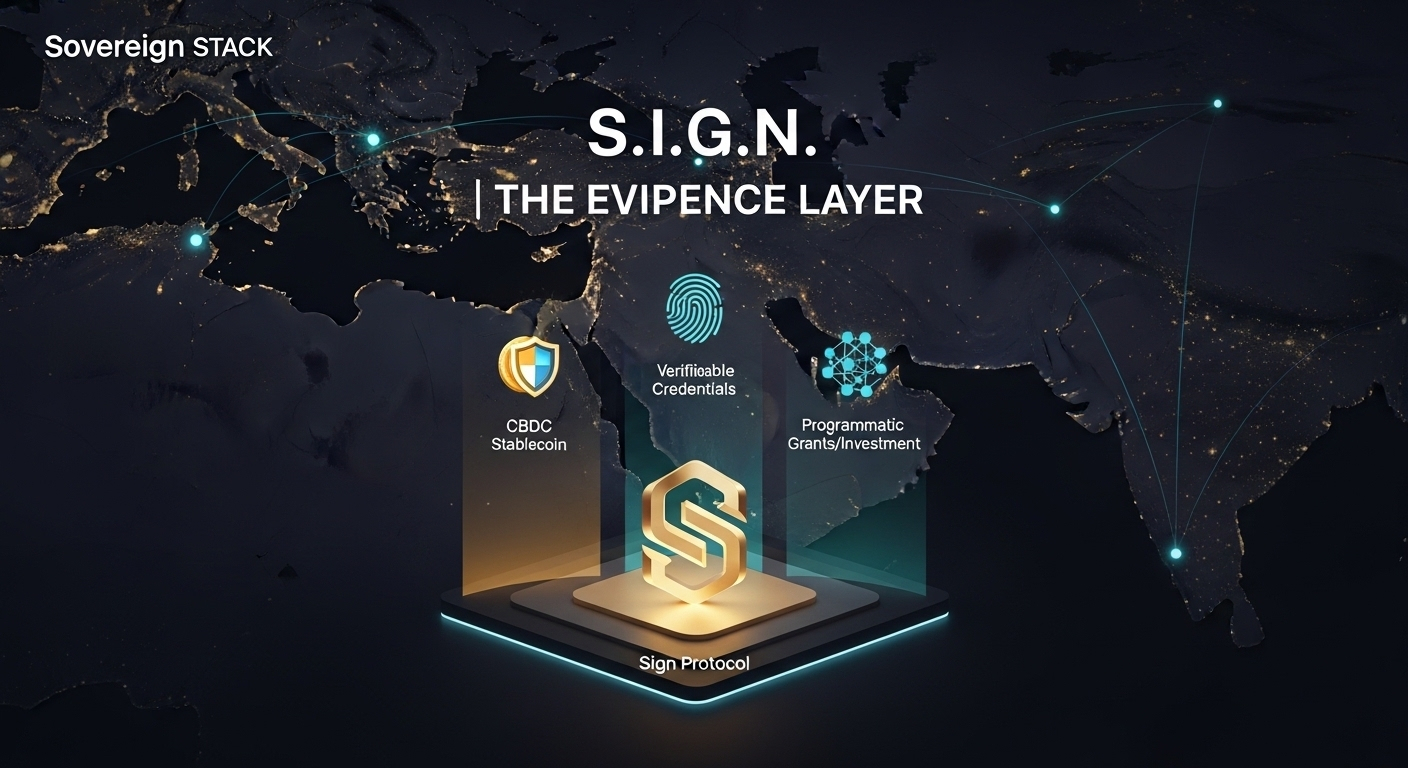
This is where the narrative around Sign and @SignOfficial gets interesting. They aren’t just pitching another blockchain; they’re delivering the S.I.G.N. (Sovereign Infrastructure for Global Nations) blueprint. It’s an "evidence layer"—a way to provide immutable, audit-ready proof of a claim (like identity or a payment) without forcing the data into the public eye.
In the Middle East, where economic growth is now inseparable from national security, $SIGN acts as the technical substrate for this "verifiable trust." It’s the infrastructure that allows a grant to be distributed programmatically or a credential to be verified across borders without a centralized middleman.
While the rest of the market is chasing the next viral trend, the real "sovereign bull" is being built in the background. Digital sovereignty isn't about borders anymore; it's about the code that proves who we are and what we own. If you’re looking for where the actual value will sit in 2026, look at the infrastructure that stays standing when the hype fades.