
Order blocks and what they are eaten with*)
↓we take: forks, spoons (the meat grinder has already been washed after the fFfarShu* chewing is not necessary)))
Order blocks in trading: how to find key interest zones of large players
For stable results in trading, it is important to understand the behavior of so-called "smart capital" (Smart Money). It is the actions of large market participants that shape key price movements. One of the most effective tools for their analysis is order blocks (Order Blocks).
In combination with other concepts, such as Fair Value Gap (FVG), they help traders more accurately define entry and exit zones in the market.
What is an order block
Order Block (Order Block, OB) is a price zone on the chart where a significant number of large buy or sell orders are concentrated.
Such zones arise as a result of the actions of institutional players (funds, market makers) who:
accumulate positions,
take profits,
or protect their trades.
Main features of the order block
An order block can be identified by the following characteristics:
strong price reaction (reversal or impulse),
increased trading volume,
link to liquidity zones,
the presence of a sharp movement after the formation of the zone.

How the Smart Money concept appeared
The concept of order blocks came from professional trading. Large players cannot open positions with one order—they do this gradually, leaving 'traces' on the chart.
With the development of technical analysis, traders began to identify these zones as:
order blocks,
liquidity zones,
areas of interest for Smart Money.

Main types of order blocks
1. Bullish Order Block (Bullish OB)
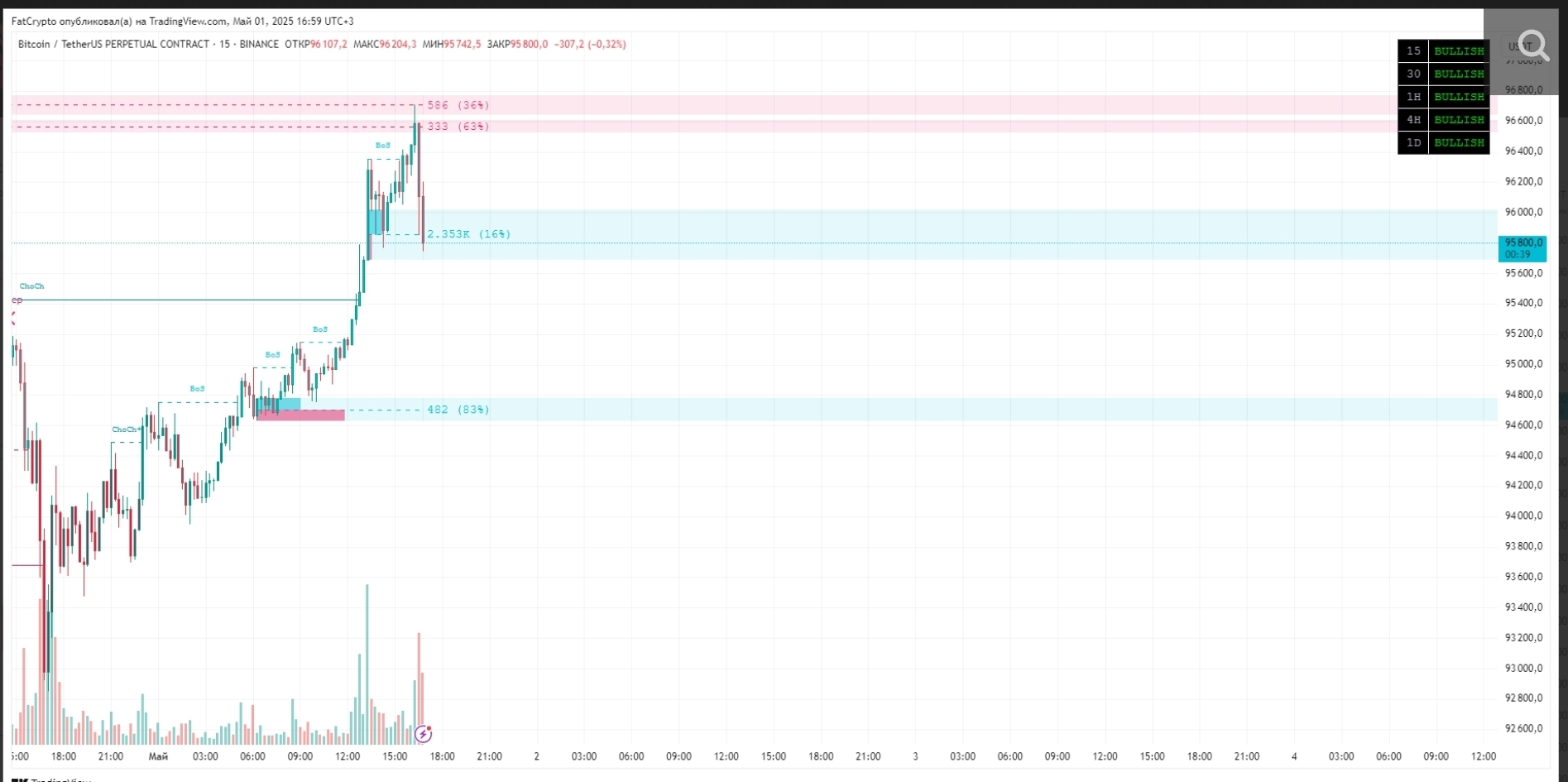
Forms before the price rises.
Shows the dominance of buyers and often acts as support.
2. Bearish Order Block (Bearish OB)
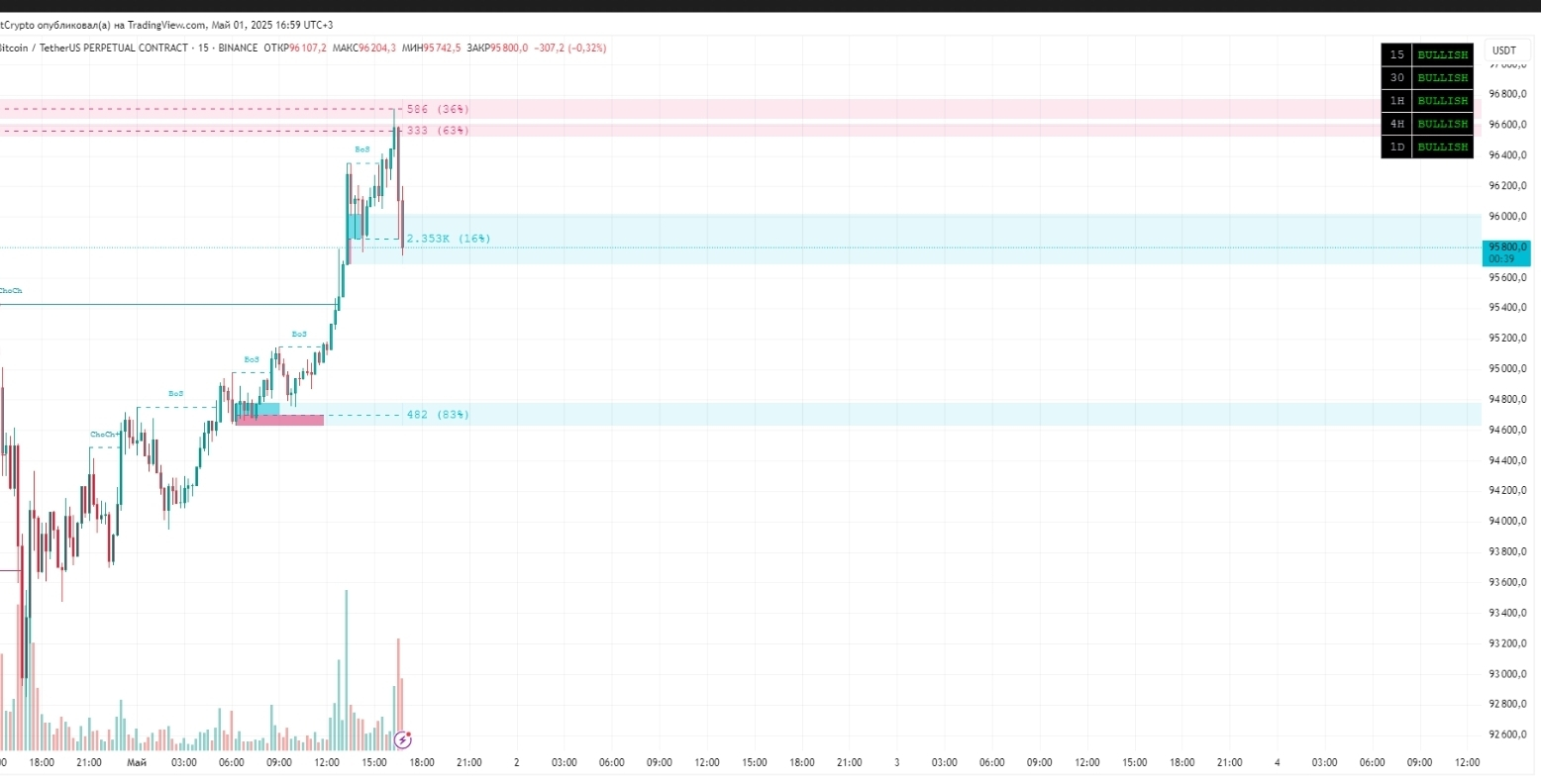
Appears before a decline.
Indicates seller activity and acts as a resistance zone.
3. Neutral Block
Balance phase between buyers and sellers.
Often precedes a strong impulse.
4. Classic Order Block
Forms after liquidity is taken and a strong move.
Is one of the most reliable types.
5. Breaker Block
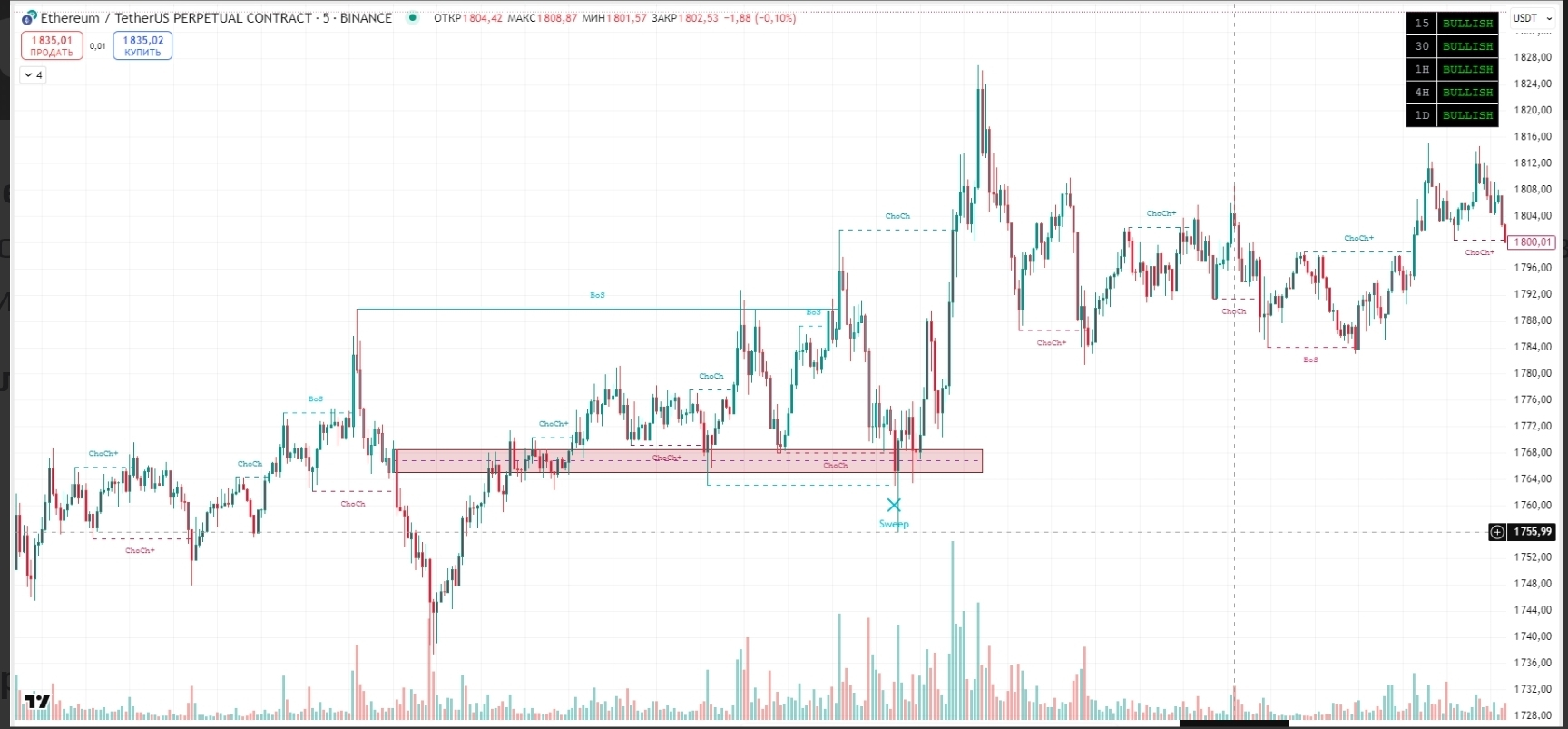
This is a broken order block that changes its role.
Signals a change in market structure.
6. Impulse Order Block
Occurs during a sharp price movement.
Often accompanied by imbalances (FVG).
Why are order blocks important
Order blocks form after liquidity collection when large players 'take' the stop losses of small traders.
Their significance:
help to find low-risk entry points,
show the interest of large participants,
allow forecasting price reaction,
improve understanding of market structure.

How to find an order block: step by step
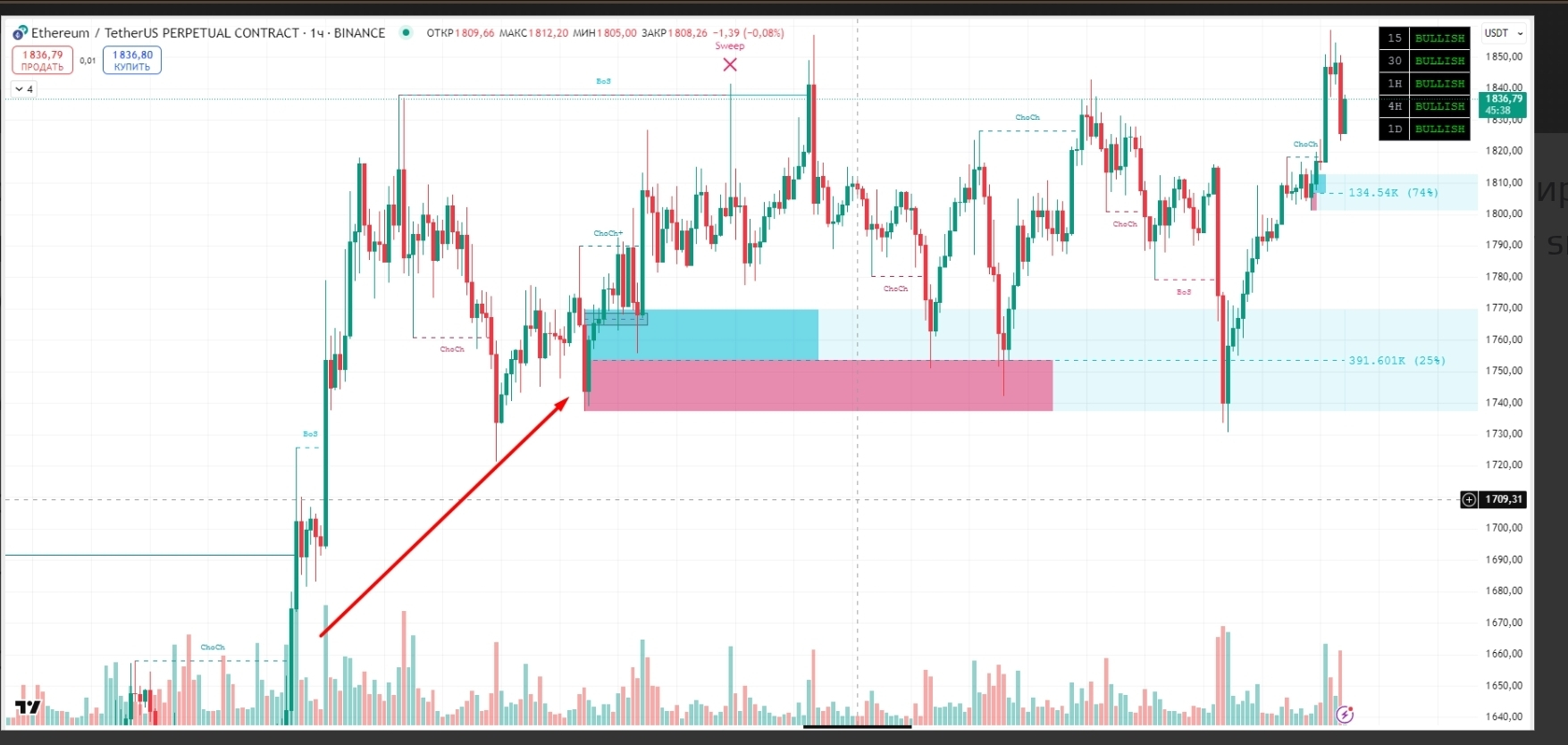
Determine the trend direction
Find a strong impulse movement
Identify the last candle before the impulse (of the opposite color)
Mark its range (body + shadows)
Wait for the price to return to this zone
Evaluate the reaction (bounce or breakthrough)
Tools and indicators for finding order blocks
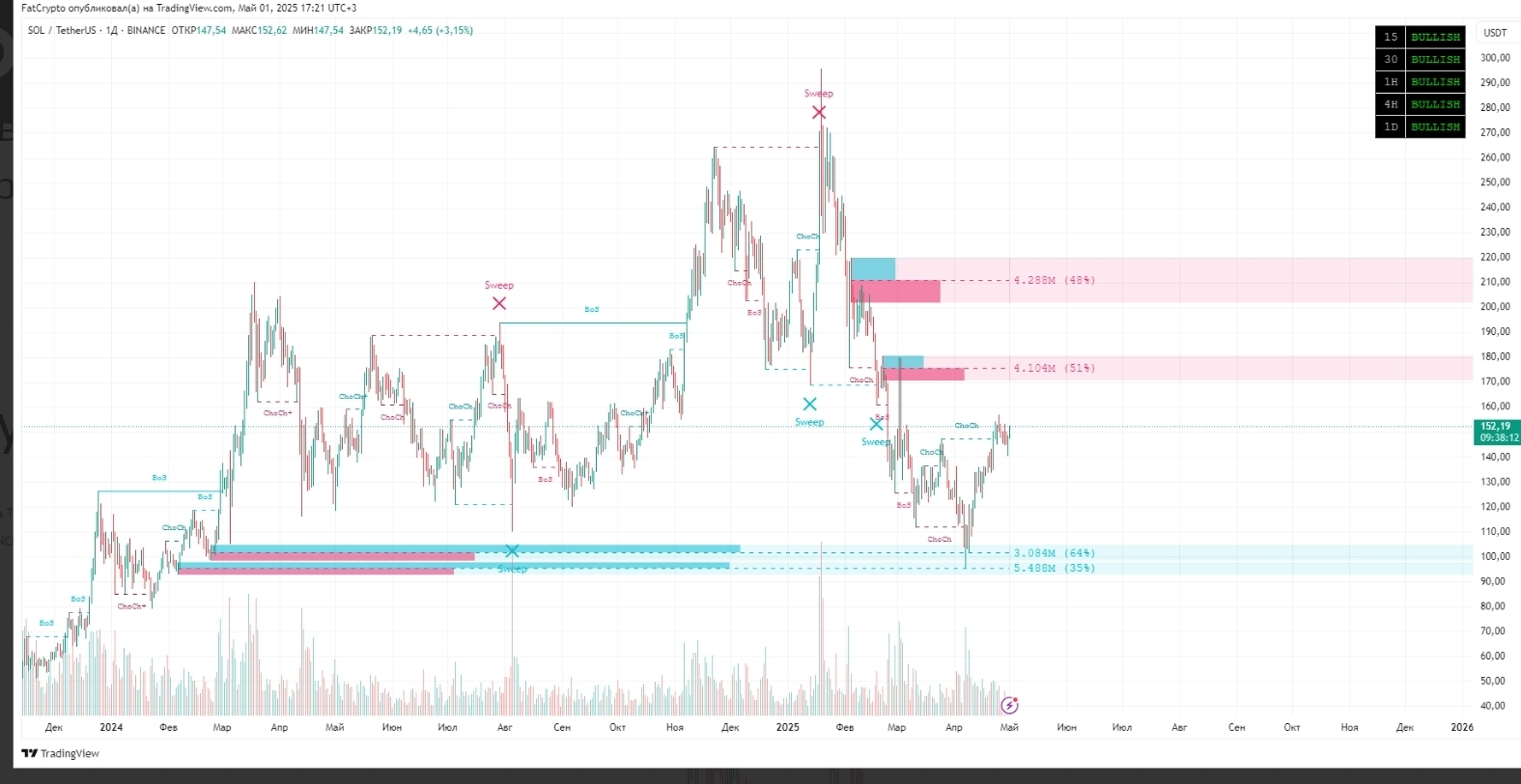
Although order blocks can be identified manually, many traders use indicators to simplify analysis.
The most common types of tools:
Smart Money Concepts (SMC) Indicators
These indicators automatically:
define order blocks,
mark liquidity zones,
show the market structure.
They help find key areas faster without manual analysis.
Volume Indicators
Volume indicators allow:
confirm the strength of the order block,
see the activity of large players,
filter out weak zones.
Examples:
Volume Profile
Cluster / Footprint charts
Imbalance Indicators (FVG)
Used to find market inefficiency zones.
Combination:
order block + FVG
provides more precise entry points.
Manual Analysis
Despite automation, many experienced traders prefer manual identification because it is:
enhances market understanding,
reduces dependence on indicators,
improves signal quality.
✔️ Conclusion: indicators are an auxiliary tool, but understanding market logic plays a key role.
Usage Strategies
Trend trading
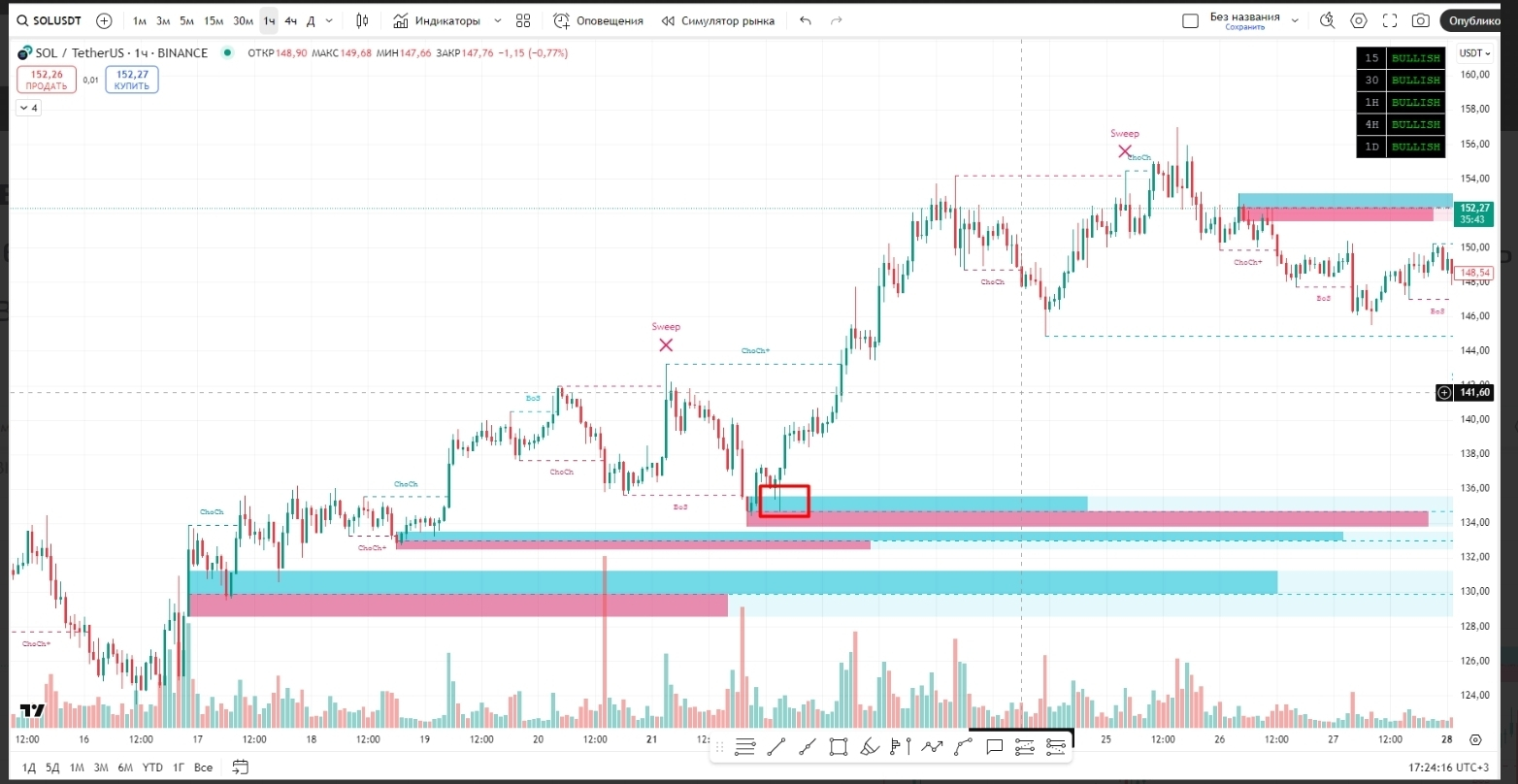
determine the trend,
find the order block in its direction,
enter after a retest.
Countertrend
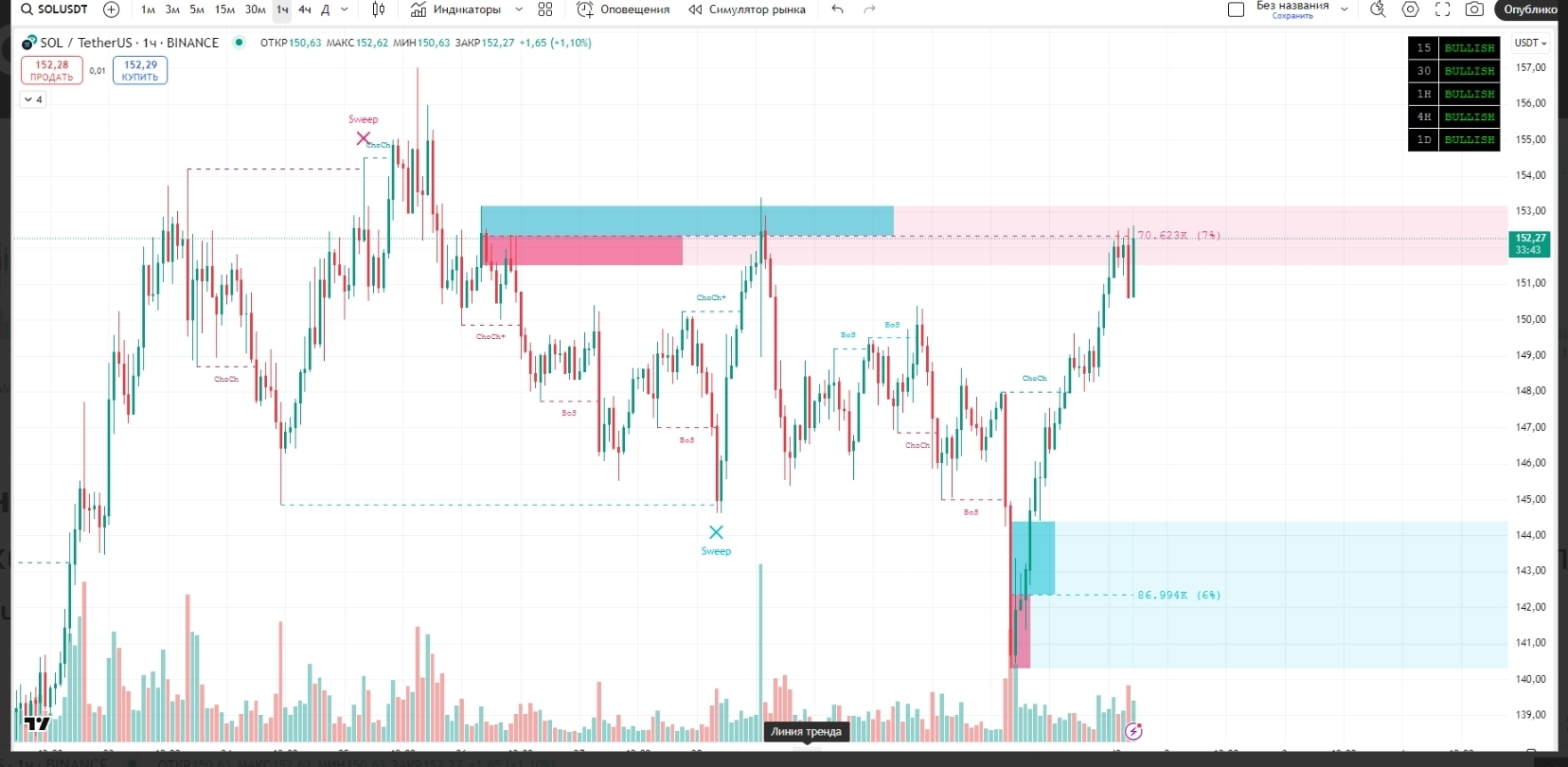
find a strong zone against the movement,
wait for confirmation,
work with minimal risk.
Combining with other tools
Order blocks are more effective when combined with:
FVG,
liquidity levels,
market structure analysis.
Risk Management
When working with order blocks, it is essential to adhere to basic rules:
risk per trade: 1-2% of the deposit,
stop-loss: outside the zone,
take profit: at the next liquidity level,
avoid entries without confirmation.
Advantages and disadvantages
Advantages:
precise entry points,
universality for different markets,
combines well with other methods.
Disadvantages:
requires experience,
possible false signals,
more noise on smaller timeframes.
Conclusion
Order blocks are an effective tool for market analysis based on the behavior of large players. They help traders better understand market structure and make more informed decisions.
However, to achieve stable results, they should be used together with other analysis tools and clear risk management.
Manual Analysis
Despite automation, many experienced traders prefer manual identification because it is:
enhances market understanding,
reduces dependence on indicators,
improves signal quality.
And now the dessert, or rather once again for final consolidation, so as not to forget again*))
Criteria for formation:
- liquidity update Long/Short
- absorption model
*additionally → overall price direction - trend →growth→bullish order block after correction of decline→bearish absorption
Additional criteria:
→testing support/resistance zones
→bullish/bearish imbalance
→break of structure
•reaction from the maximum and 50% order block
•stoploss under order block
✓ order block confirmed by absorption
#orderblock #smartmoney #Write2Earn #Squar2earn #inside
And what concepts and systems do you use?
Is everything correct here, or is something missing?