
On March 18, the Federal Reserve's FOMC meeting maintained the federal funds rate at 3.50%-3.75%. The dot plot was adjusted to raise the 2026 inflation expectation to 2.7% (above the 2% target), with only one rate cut expected (7 committee members expect none). Powell emphasized that inflation is stubborn and uncertainties regarding Middle Eastern oil prices are increasing. The market immediately 'sold the news': the Dow Jones Industrial Average crashed over 600 points, BTC fell from $74k to $71k (-3.6%), and ETH dropped by -5%. On-chain indicators show BTC is in the 'hope zone' (NUPL 0.24), NVT is undervalued (25.6), but derivatives OI is high (BTC $48.2B), fear and greed index at 24 (extreme fear), with a prevailing bearish sentiment on social media. Short-term pressure continues, but undervaluation signals suggest potential rebound opportunities; attention is needed on ETF flows and oil price declines.
The meeting's hawkish stance exceeds expectations, combined with the crisis in the Strait of Hormuz pushing oil prices to $119 per barrel, reinforcing the high interest rate environment's pressure on risk assets. Historical data shows that after 8 FOMC meetings in 2025, BTC had negative returns 7 times within 48 hours; this pullback aligns with the pattern, but no panic selling is observed on-chain.
Core points of the meeting and hawkish signals
The Federal Reserve's decision meets market expectations (11:1 approval), but the dot plot and Powell's press conference shift clearly hawkish:
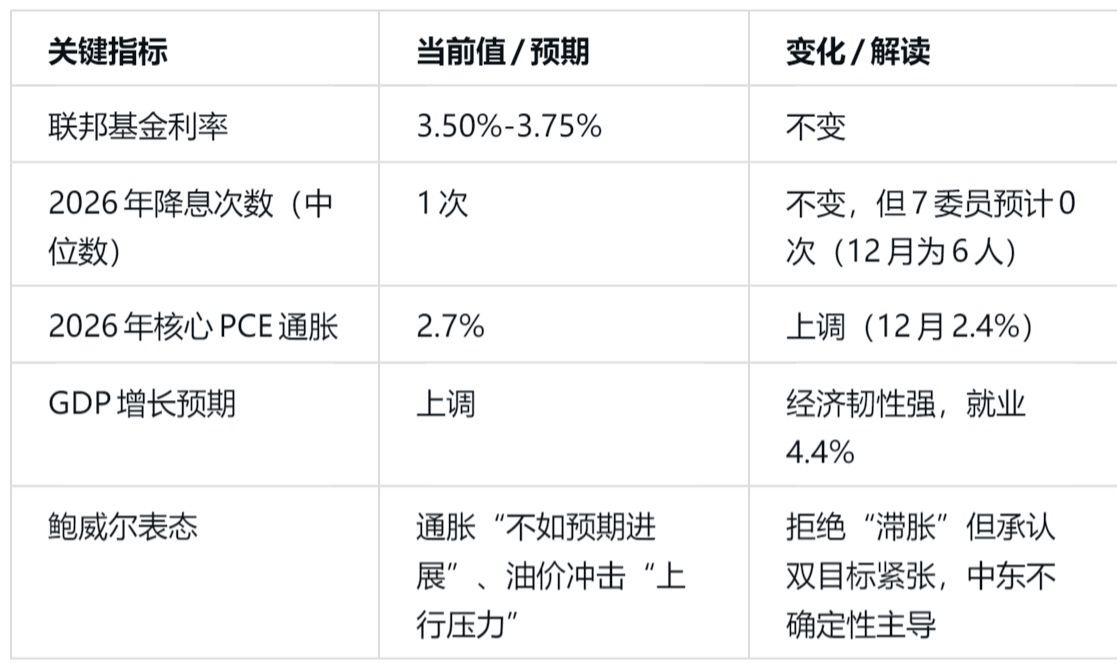
Powell specifically mentioned the Strait of Hormuz in the Middle East being 'partially closed' (Iran attacked 21 ships, oil tanker flow down 70%), oil prices may short-term reach $109 per barrel, with tail risks at $130. This reinforces the narrative of 'higher rates for longer,' compressing liquidity in risk assets.
Cryptocurrency market immediate response: price pullback and derivatives pressure
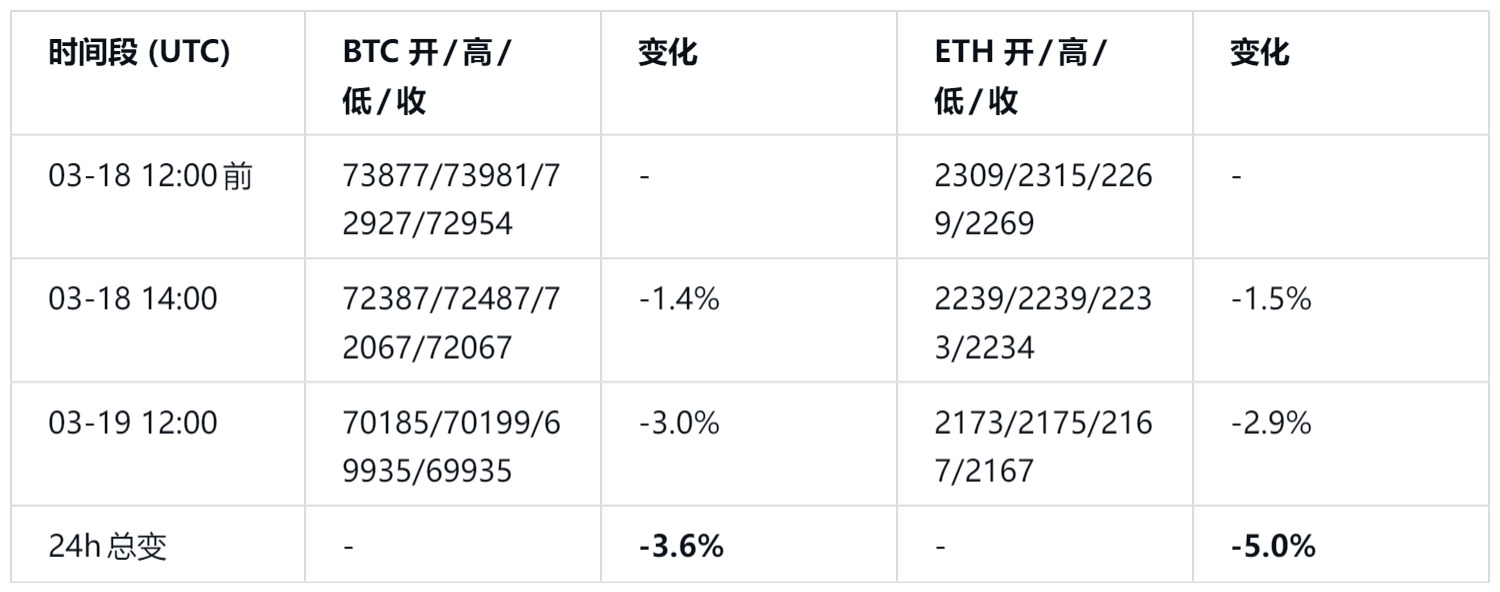
$BTC $ETH 24h performance (from 2026-03-18 00:00 to 03-19 12:00 UTC): Post-decision 'sell the news' was rapid, BTC peaked at 74k+ and dropped to 71.1k (-3.6%), ETH fell from $2330 to $2167 (-5%), aligning with historical FOMC post-weak patterns.
Key time periods for BTC/ETH prices
Derivatives show high OI but neutral funding, whale shorts dominate (one whale shorting $90M in BTC, liquidation if it rises by 10%):
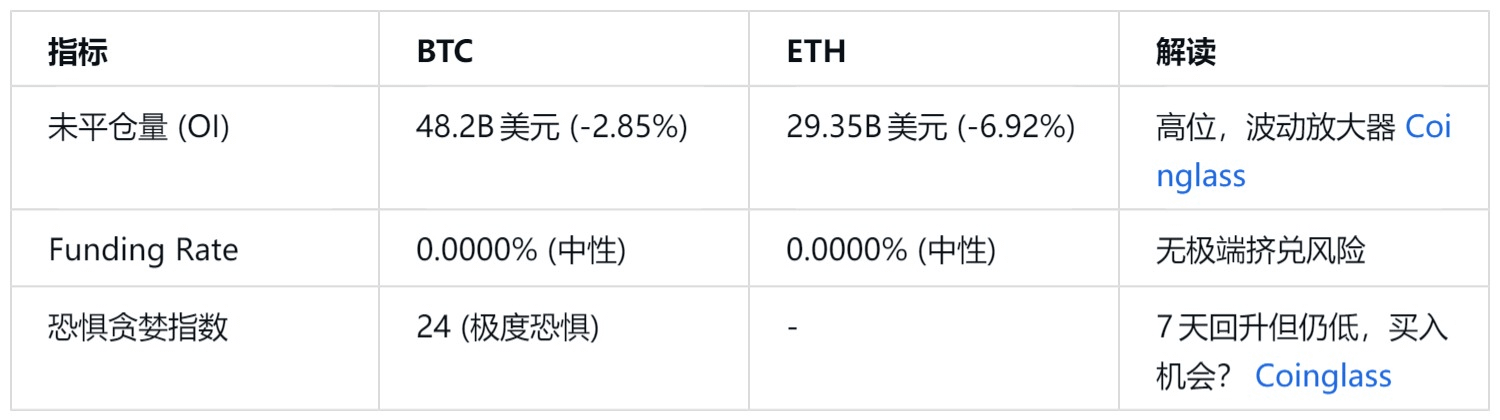
OI accounts for BTC 54.4%, ETH 33.1%, with high market concentration, making it susceptible to macro shocks.
On-chain indicators: BTC is undervalued but not panicking
BTC on-chain is healthy, MVRV 1.31 (reasonable valuation, not overheated), NUPL 0.24 (hope zone, not euphoric 0.75), NVT 25.6 (undervalued, insufficient trading value support?), SOPR 0.99 (slight stop-loss). ETH data is temporarily unavailable, but the price synchronized pullback suggests similar trends.
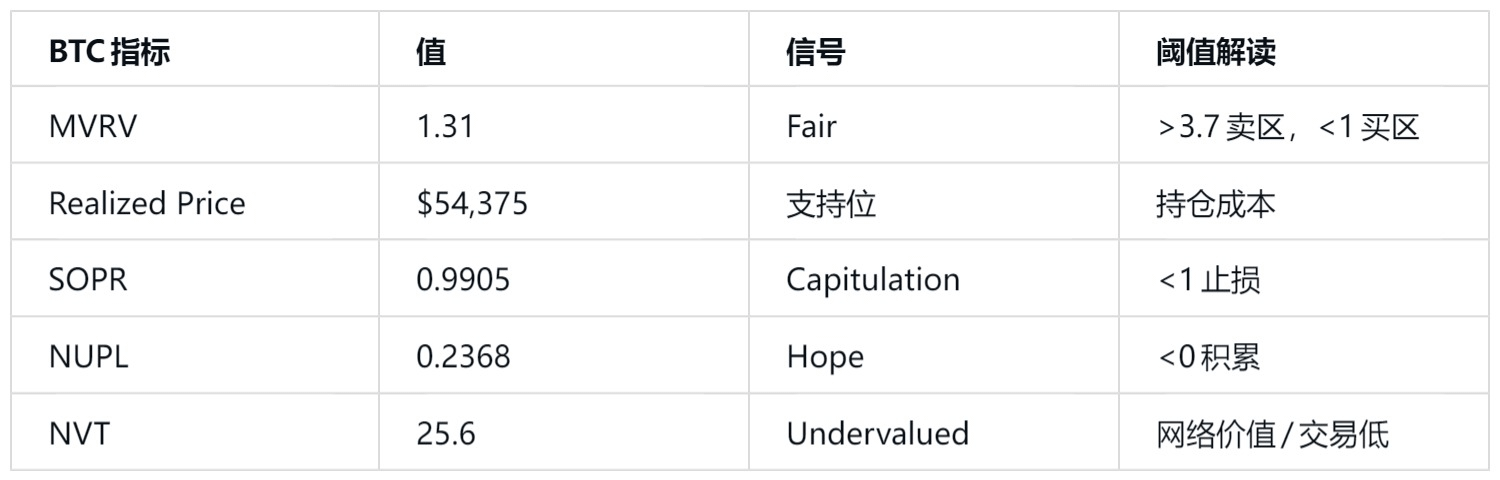
Undervaluation signals ease selling pressure, but oil price tail risks may amplify downside.
Social sentiment: bearish sentiment dominates, FOMC headwinds are evident
Twitter sentiment is bearish: short BTC to 66k (structural reversal), ETH 'death line' at $2150, whale shorting $90M. Positive points include the South Korean opposition party's push to abolish the 20% crypto tax, but overall hawkish pressure persists. X
News reinforces uncertainty: ETF flow becomes key (3/19-20 data), BTC dominance (55-60%) and the $2000 threshold for ETH must be defended.
Risk assessment and outlook
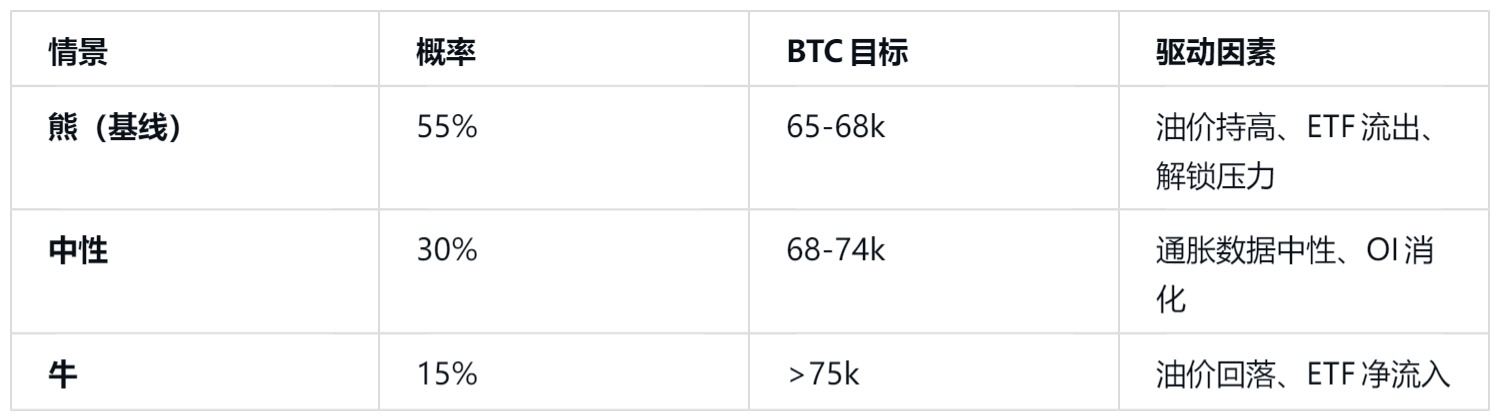
Core risks: Middle Eastern oil price 'unknown' delays interest rate cuts (Goldman Sachs' first cut in September), whale shorts + high OI amplify volatility. Opportunity: extreme fear + on-chain undervaluation, historical FOMC pullbacks of 3-5% are common, focus on ETF data and BTC dominance on 3/19-20.
Conclusion: Hawkish FOMC + geopolitical risks create short-term headwinds; BTC/ETH pullback is reasonable, but no systemic risks are seen on-chain. Investors should wait for ETF inflow confirmation and oil price peak, defending the 65k support. Data as of 2026-03-19 12:29 UTC, ETH on-chain gap needs subsequent monitoring.