
As a 'gambling dog' in the coin circle, hundred-fold contracts and thousand-fold altcoins are common, and I have seen various project parties. However, projects like @SignOfficial are rare, genuine, promoting, warm, and truly tangible.
Before we chat, we need to introduce a new term: Central Bank Digital Currency (CBDC). Central banks around the world are accelerating their layouts, with a clear core purpose: to safeguard currency sovereignty, make payments faster and cheaper, extend financial services to more people, and counter the impact of private stablecoins. By 2026, nearly 140 economies (accounting for 98% of global GDP) are researching or advancing CBDC, with China's e-CNY and the Bahamas' Sand Dollar being practical examples. National sovereignty redefines the issuance and circulation of 'money' in a digital manner—faster, more transparent, and more inclusive.

In this major trend, $SIGN quietly acts as a 'technical foundation': providing reliable blockchain infrastructure for national sovereignty, helping central banks leverage the transparency, tamper-proof nature, and programmability of blockchain while maintaining tight control.
1. The underlying technical role of SIGN in CBDC
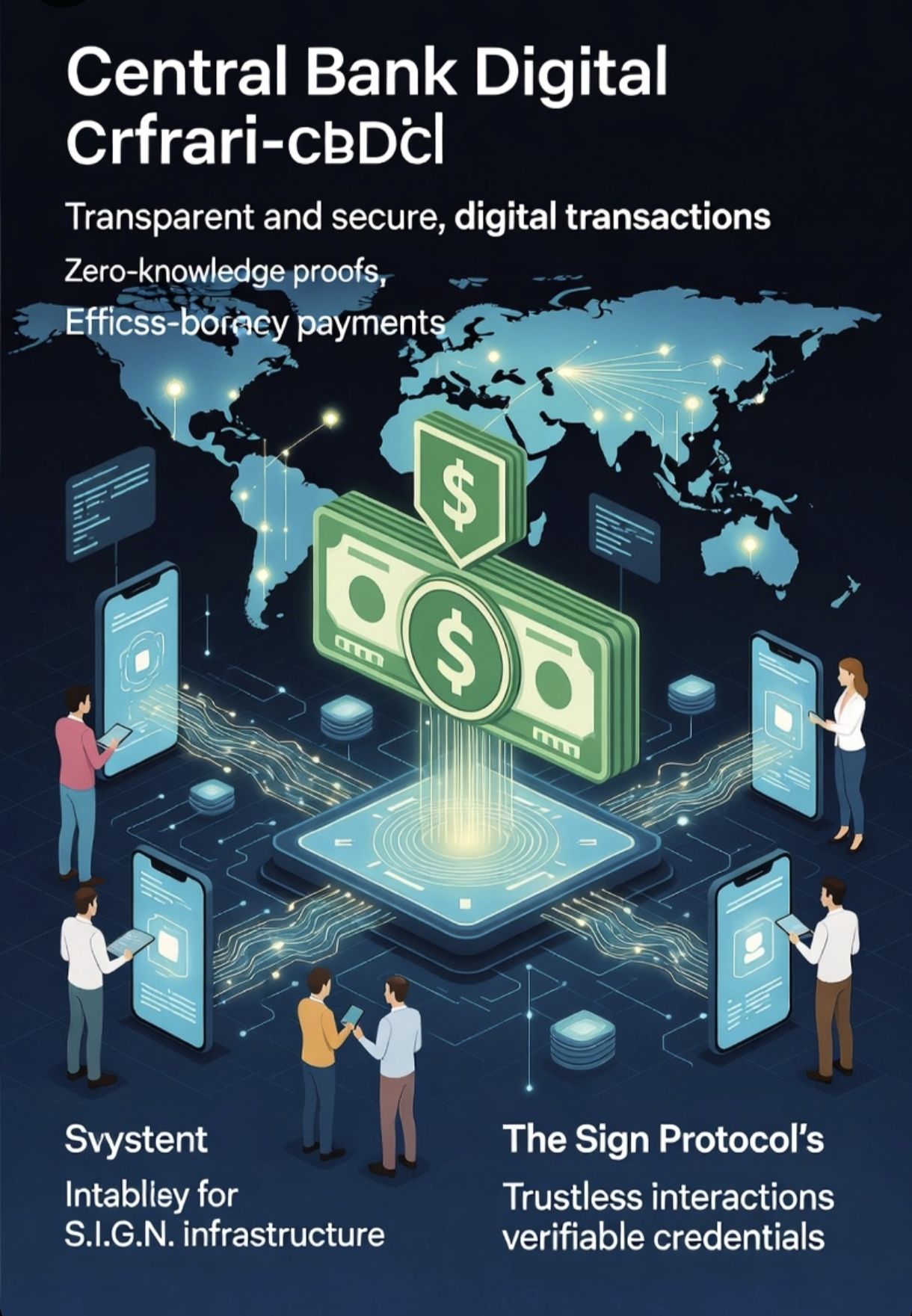
Sign provides central banks with a 'controllable, auditable, and private' digital currency framework through S.I.G.N. sovereign infrastructure (Sign Protocol proof layer + SignStack toolkit + TokenTable distribution engine).
It allows CBDC to run simultaneously on public chains (transparent, open) and private chains (confidential, state-controlled), achieving dual-track parallelism.
Using zero-knowledge proofs (ZK) and verifiable credentials to ensure user privacy (proving 'I meet the subsidy eligibility criteria' without revealing all personal information), while central banks can conduct real-time audits to prevent money laundering.
TokenTable is responsible for smart distribution: automatically dispersing money or benefits based on identity and conditions, avoiding the black box and delays of manual operation.
Cross-chain interoperability: CBDC can connect with stablecoins or other national systems for convenient cross-border payments.
Sign helps central banks make CBDC smarter, more stable, and more grounded.
2. Actual advancements in national applications
Sign's partnerships give me a sense of security—it's not a PPT, but real government contracts, especially in developing countries.
- Kyrgyzstan Digital Som: In October 2025, an agreement was signed with the National Bank to develop the Digital Som CBDC using SignStack full-stack development. The president has signed a law granting it legal status, with a pilot launch scheduled for the end of 2025 and a planned official rollout in January 2027, covering 7.2 million citizens. Sign is in the process of developing and testing issuance, smart contracts, privacy, and automatic distribution.
- Sierra Leone Digital Identity + Payment Framework: An MOU was signed with the Ministry of Communications and Technology in November 2025. Sign is establishing a blockchain digital ID (Sign Protocol for verifiable credentials) and a local stablecoin track (expandable to CBDC) to address the issue of 66% of the population without bank accounts and unable to receive subsidies, which is now in the implementation phase.
- Abu Dhabi: In collaboration with the Blockchain Center, using SignPass to support digital identity and public sector digitalization, including Web3 entrepreneurs' golden visa. Sign also plans to open an office in Abu Dhabi in 2026.
The contracts and advancements in 2025-2026 prove that Sign has moved from concept to nation-level implementation, not just empty talk.
3. The everyday life changes brought by blockchain
What impresses me most about Sign is that it brings CBDC from 'national affairs' down to 'everyday life'.
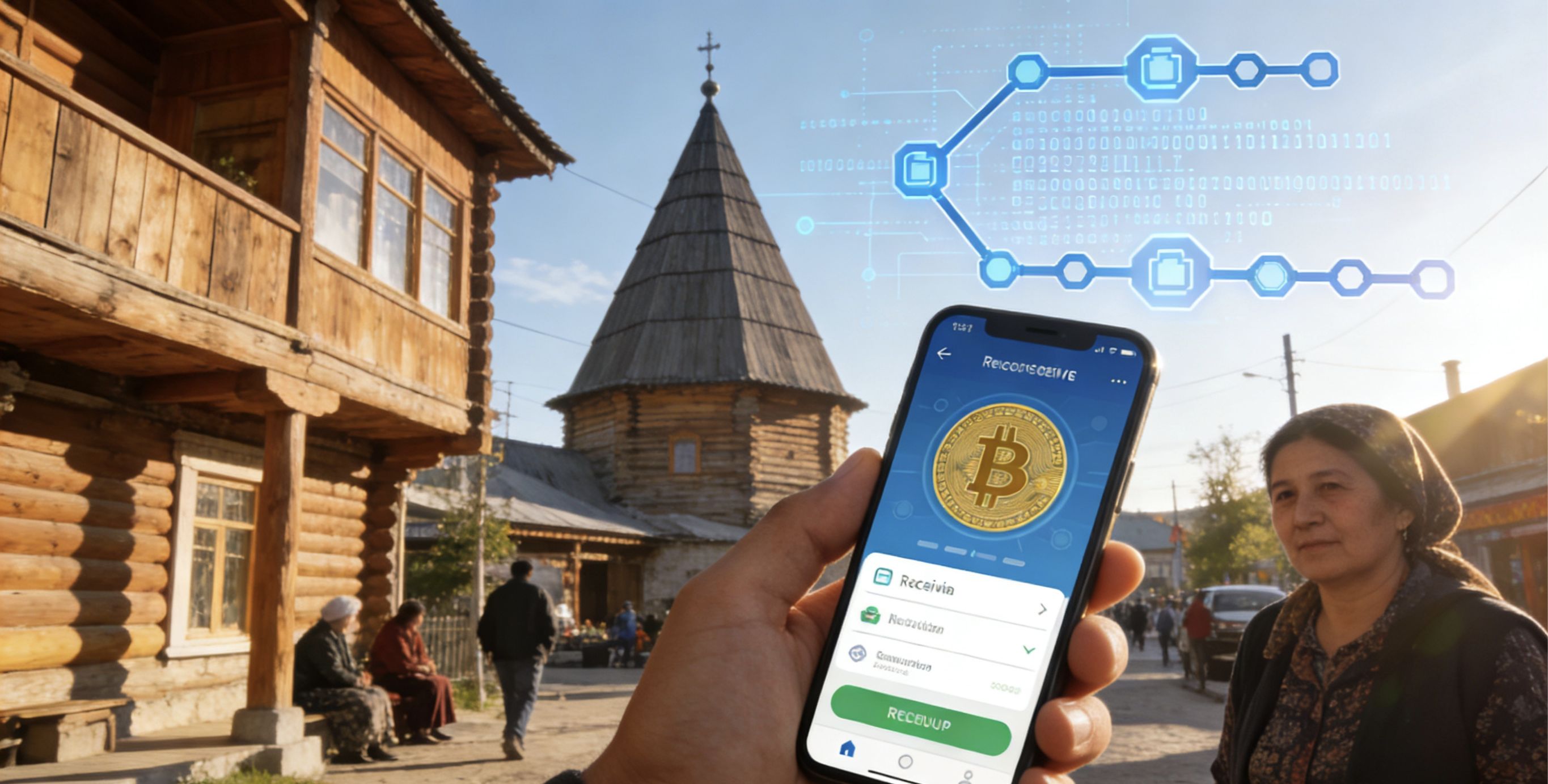
- Receiving subsidies faster and more fairly: Benefits, pensions, and agricultural aid reach mobile wallets directly via TokenTable, with eligible amounts credited instantly. No need to queue or fear middlemen taking cuts. The Kyrgyzstan project targets this, minimizing the effort for rural residents.
- Simplified and private identity verification: Many people in Sierra Leone cannot receive money due to lack of ID. Sign's ZK digital ID uses mobile scanning to prove eligibility without revealing all information, enabling them to open CBDC wallets, obtain loans, and receive subsidies, significantly improving financial inclusion.
- Payments are cheaper and more convenient: Instant settlement for payments and shopping, low transaction fees; reduced costs for cross-border remittances. The poor and remote areas benefit the most, lowering living costs and stimulating economic activity.
- Overall more trustworthy: Records are tamper-proof and auditable, reducing fraud and corruption; privacy is protected, and government oversight is in place, forming a reliable foundation for digital living.

Sign makes CBDC truly a benefit for the common people: easy identity verification, direct access to funds, and hassle-free payments. Especially in developing countries, it helps everyone bridge the gap of 'no bank account', making digital technology not just for the wealthy but genuinely beneficial for the public, promoting fairness and efficiency in the real world.#Sign地缘政治基建