
Donald Trump is desperately trying to unblock shipping in the Hormuz Strait to alleviate the escalating global energy crisis. However, experts and Washington's allies agree: without a complete ceasefire in the war with Iran, there is no military solution to this logistical problem, writes Bloomberg.
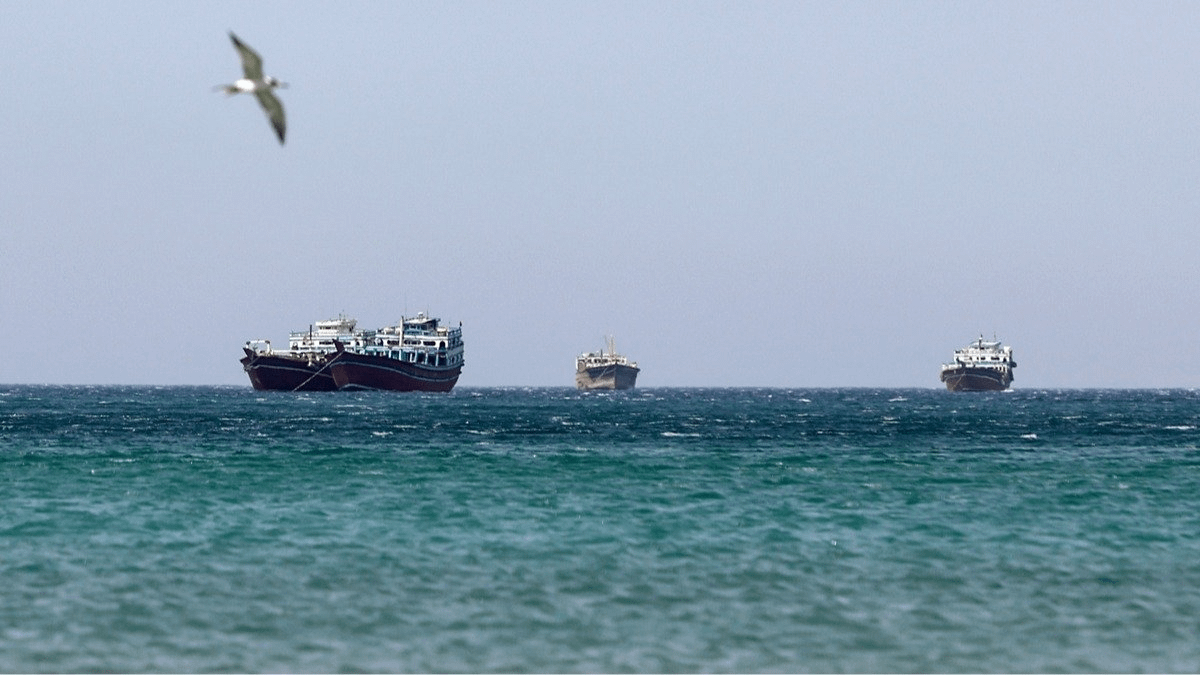
While the war is ongoing, the rare transit of ships through the strait, it seems, is carried out exclusively under the conditions of Iran. Several tankers managed to follow the route, hugging the Iranian coast, indicating that the safety of passage depends on Tehran's tacit approval, rather than external protection. The Strait of Hormuz is formally not closed, but access to it is strictly controlled.
“Unlocking the strait may take several weeks,” says Bob McNally, president of Rapidan Energy Group and former White House staffer. “Until we neutralize the layered, asymmetric capabilities of Iran—mines, fast boats, submarines, and drones—we will not risk sending commercial ships or even convoys there.”
Military analysts agree: without a ceasefire, escorting tankers is too risky. “A military solution here is the worst. This is a political problem,” insists Tom Sharp, a former officer of the Royal Navy.
Even if the U.S. manages to gather a coalition, the effectiveness of the convoys will be extremely limited. The Strait of Hormuz is too narrow (only 48 km at its narrowest point), making ships easy targets for short-range missiles and drones. As noted by former U.S. Navy officer John Bradford, to protect a commercial vessel must be within the air defense range of a warship, which means one escort can only conduct a very limited number of tankers.
Trump himself acknowledged this problem over the weekend: even if Iran's regular army is “100% destroyed,” Tehran can “easily” continue to terrorize shipping using cheap drones and mines.
Under the conditions of a transport blockade, Saudi Arabia and the UAE are redirecting part of the oil through pipelines bypassing Hormuz, but their capacities cannot fully replace the strait.
Experts warn that even an official end to the war may not lead to a full opening of the waterway. Iranian authorities have already openly stated their intention to establish new rules of the game.
“As long as there is a hidden threat to shipping—and we have already seen attacks on more than 10 vessels—Iran does not need to physically close the Strait of Hormuz,” summarizes Torbjorn Soltvedt, chief analyst for the Middle East at Verisk Maplecroft. “They just need to create a level of threat at which passage becomes prohibitively expensive or too risky.”
#WorldNews2026 , #GoldSilverOilSurge , #USIsraelStrikeIran
A group for those who like to stay informed about changes in the news agenda of the financial world, cryptocurrencies, commodities, and technological changes in the markets.
🤫