
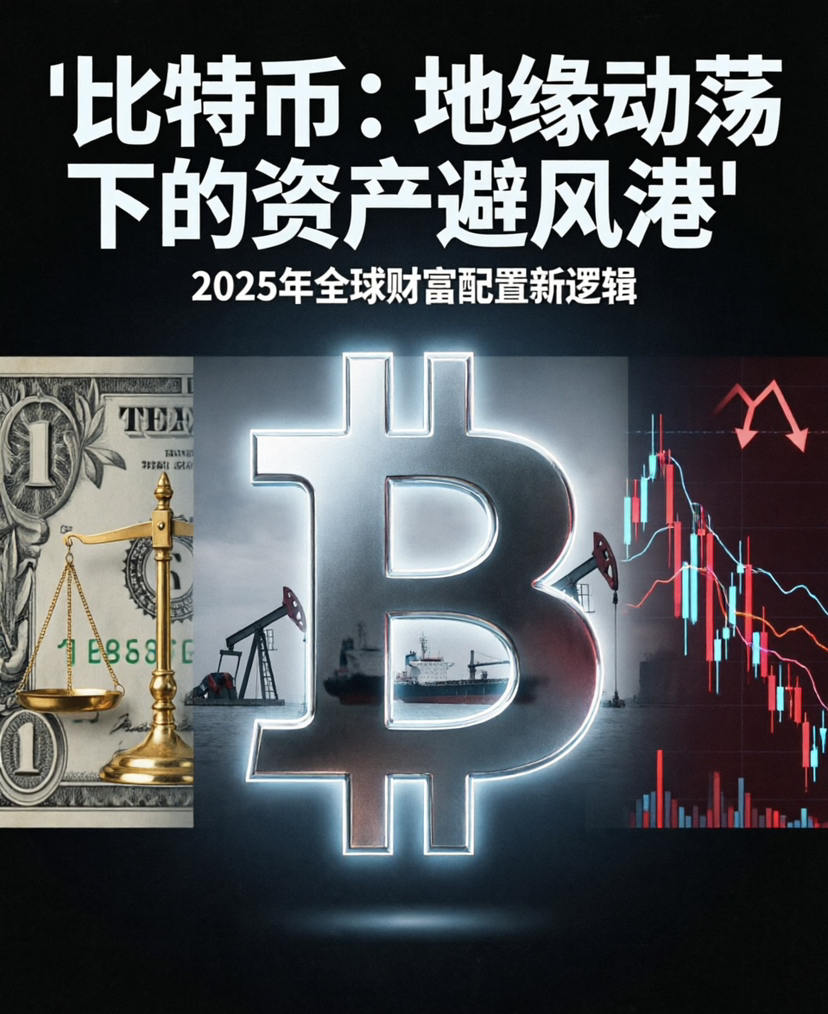
Analyst: Since the outbreak of the US-Iran conflict, Bitcoin has been one of the best-performing macro assets. On March 13, CoinDesk analyst James Van Straten stated, "Bitcoin has surpassed $71,500, outperforming the US stock market, despite a strong dollar, high oil prices, and the US-Iran conflict entering its third week. A stronger dollar may tighten global financial conditions, which usually puts pressure on risk assets such as stocks and cryptocurrencies. The rise in oil prices has exacerbated inflation concerns and increased market expectations for interest rate hikes. Rising interest rates will also reduce the attractiveness of such investments. Bitcoin continues to show resilience, remaining one of the best-performing assets among macro assets since the outbreak of the US-Iran conflict."
Returning to the ROBO project, we just talked about how it seems to have created a 'WeChat + Alipay' amalgamation for the robotic world. To help you thoroughly understand the ambition of this project and the challenges it faces, we can break down this concept in detail.
First, imagine our current world of smart devices. Although Apple phones and Android phones can both access the internet, many applications and data transfers do not interoperate, and the ecosystem is fragmented. The current robotics industry is even more so, if not worse. Robots like U-Tree's robotic dog, UBTECH's humanoid robot, or a delivery robot from a startup seem to be creatures from different planets, speaking entirely different languages and operating their own closed, incompatible systems. This leads to a huge problem: fragmentation. Developers writing a 'pour water' program have to adapt it separately for each brand of robot, resulting in extremely high costs and low efficiency.
The ambition of the Fabric Protocol project is to break down this invisible wall. The OM1 operating system it launched aims to become the 'Android' for robots. It is an open-source, hardware-agnostic universal brain that allows robots from different manufacturers and of different forms to have a unified way of 'thinking' and 'acting' as long as they install it. This is akin to providing all robots with the same universal textbook, enabling them to possess fundamental capabilities for cross-species collaboration.
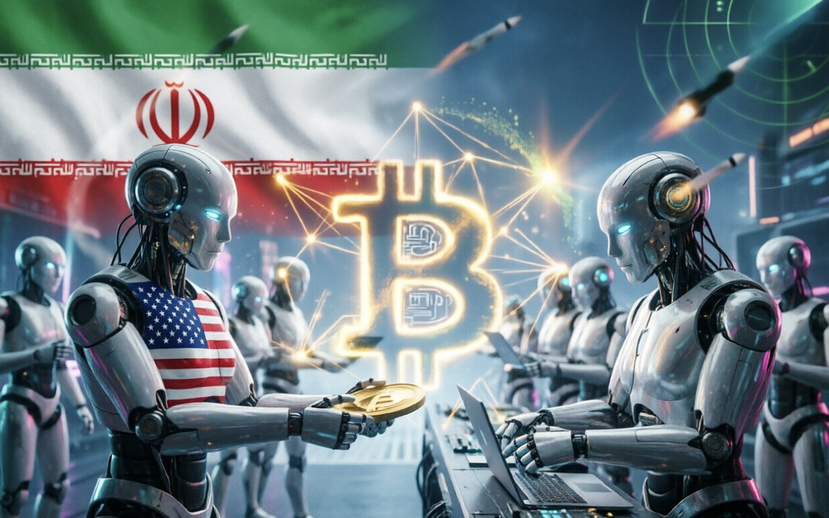
But that's not enough. Just being able to 'think' and 'speak' isn't sufficient; robots also need to establish trust and conduct value exchange between each other. This leads us to its other layer of architecture—the Fabric protocol layer, which is the 'WeChat + Alipay' part. In this decentralized network, each robot has a unique on-chain identity (DID), and every collaboration and data sharing between them can be traced and verified, solving trust issues. More importantly, they can settle value. For example, if a patrolling robot discovers it has low battery, it can publish a 'help' task on this network, and another robot responsible for charging can accept the order and complete the service, immediately receiving payment in ROBO coins. This is what is known as the 'machine-to-machine' (M2M) economy.
Therefore, the ROBO token plays the role of the 'blood' and 'lubricant' of the entire robotic economic system in this grand blueprint. It is not just a transaction fee; it is also the core that incentivizes the entire ecosystem to operate. Developers are motivated to actively develop applications for this universal system because they can earn ROBO coin rewards; robot owners are willing to connect to this network because they can earn ROBO coins by renting out computing power or providing services. It transforms machines from mere tools into 'digital employees' that can autonomously create value and participate in economic activities.
Doesn't that sound exciting? However, turning this beautiful blueprint into reality faces a huge uncertainty, which is the 'pie-in-the-sky' risk we mentioned earlier. At present, all of this is still in the conceptual and early development stages. Will the OM1 operating system truly be widely adopted by major robot manufacturers and become a de facto industry standard? Can this decentralized network withstand the test of stability and efficiency when handling a large number of robots collaborating in real-time? These are all unknowns.
The more realistic risk is that the current price of ROBO tokens is highly volatile and filled with speculation. Its value is completely tied to the realization of this grand vision. If the Fabric Protocol cannot stand out in fierce technological competition and truly build a prosperous robotic ecosystem, the value foundation of this token will face severe challenges. Therefore, although its story is told very perfectly, depicting a future where robots work for humans and tokens become universal currency, we must remain cautious until it truly achieves commercial use and we see tangible user and data growth. We should view it as a high-risk frontier experiment rather than a surefire investment target.#ROBO $ROBO @Fabric Foundation