
Stock markets broadly declined across regions. In Europe, the #STOXX600 index dropped more than 3% while the #FTSE100 British index fell by 2.9% by 1:44 PM Saudi time, putting the index on track for its worst session in 11 months.
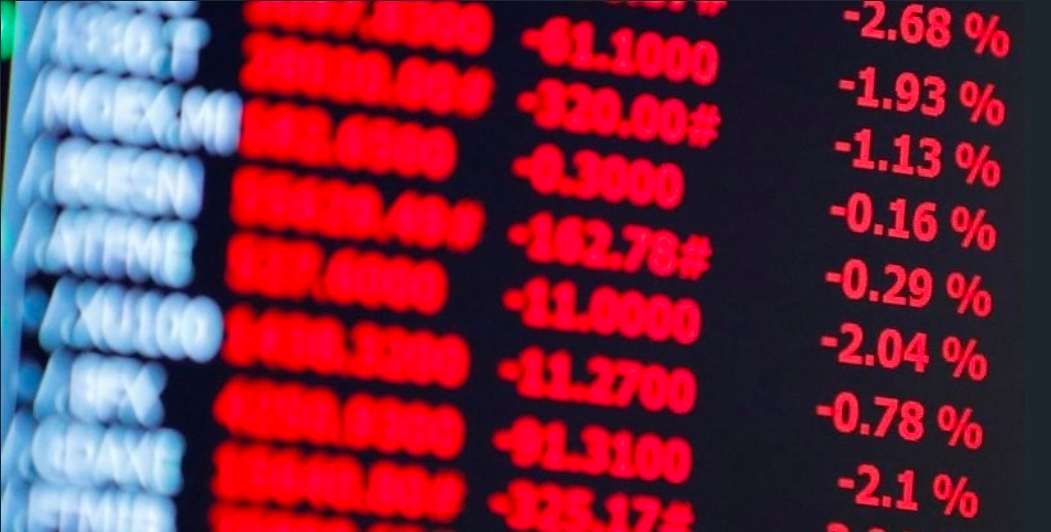
Asian markets also experienced sharp sell-offs, with the #Nikkei225 Japanese index down 3.1% and the #KOSPI新高 South Korean index down 7.2%.
In the United States, S&P 500 Futures fell by 1.8% after the #S&P500 index finished nearly unchanged on Monday.
Amid escalating conflict, JP Morgan Chase & Co.'s trading desk identified winning and lagging sectors.
On the positive side, the bank highlighted major defense companies, which it said are "benefiting from the deployment of missile defense systems, the adoption of drone warfare, and the replenishment of munitions." Furthermore, North American energy companies - including exploration and production companies, refineries, local oilfield services, LNG, and the midstream sector - are seen as filling the supply gap as buyers seek alternatives.
Cybersecurity names were also identified as being in a position to "protect critical infrastructure in a high-threat environment." JP Morgan Chase & Co. also added that tanker prices could rise sharply due to longer travel distances as trade routes change to avoid disruptions, while precious metals benefit from safe-haven demand.
On the losing side, the trading desk pointed to the luxury consumer goods sector and global brands as being affected by inflation expectations, supply chain risks in Asia, and negative sentiment towards risks.
Cruise lines are also exposed to fuel costs - especially unhedged operators - and regional port disruptions, while airlines face rising fuel costs and the suspension of regional routes, the bank noted. Travel companies and online travel agencies are seen as "vulnerable to a decline in discretionary demand and a collapse in regional bookings."