
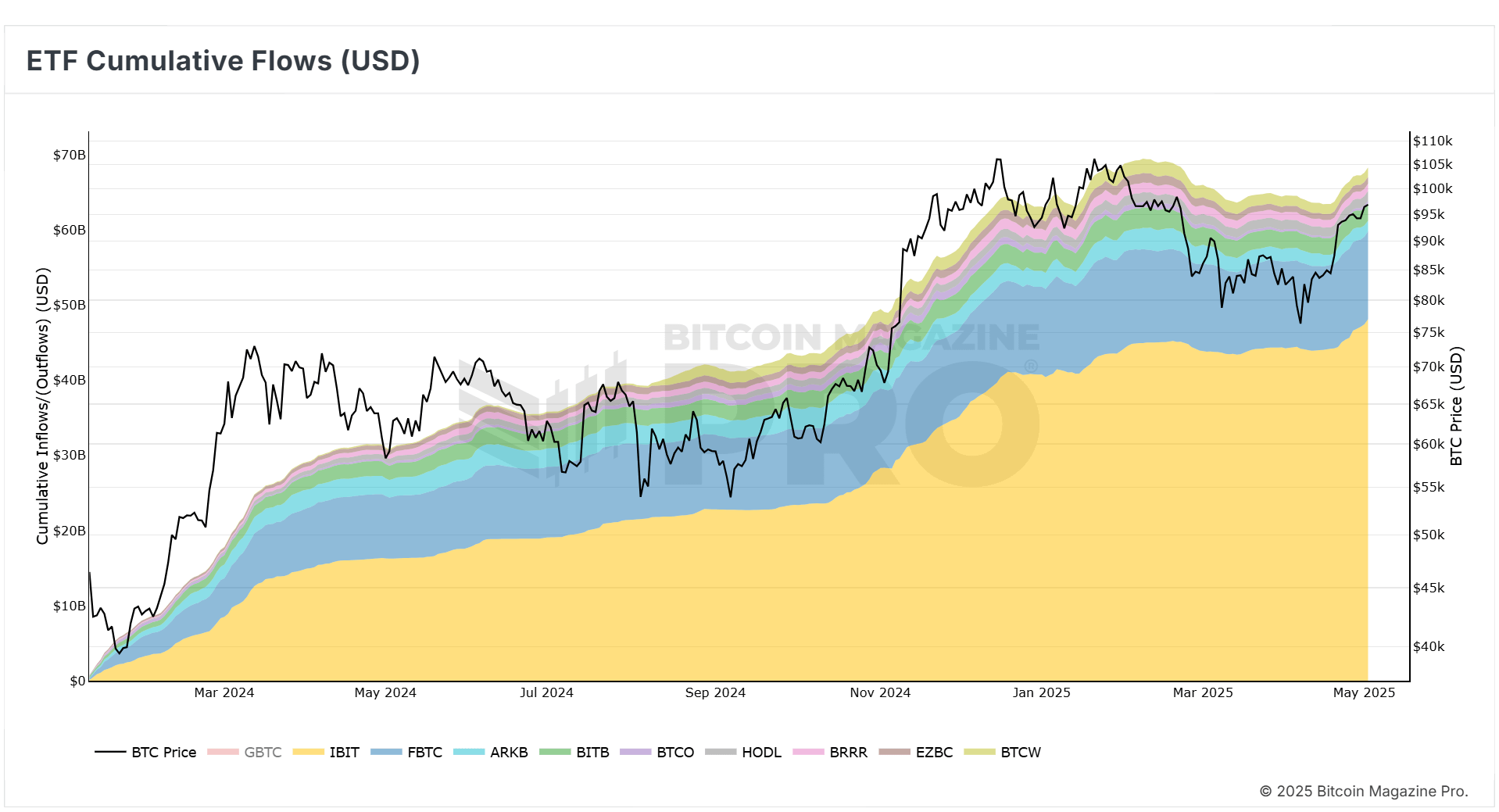
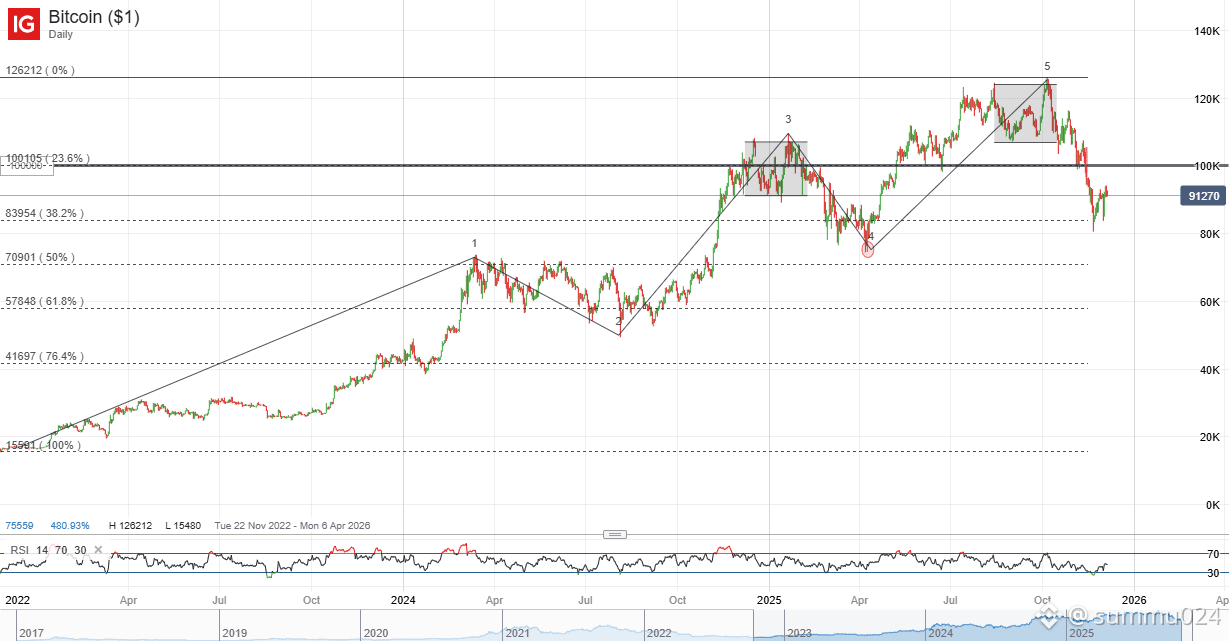
One of the hottest discussions on Binance Square right now is the impact of Bitcoin ETF inflows on market structure. Unlike previous retail-driven rallies, this phase shows sustained institutional participation — and that changes the game.
1️⃣ The Structural Difference
Spot Bitcoin ETFs introduced a regulated gateway for traditional capital. Pension funds, asset managers, and conservative portfolios that previously avoided direct custody can now gain exposure seamlessly.
That means:
Capital flows are larger and slower
Pullbacks may be bought differently
Volatility structure evolves
This is not just “more buyers.”
It’s a different type of buyer.
2️⃣ Liquidity Concentration in Majors
When ETF inflows increase, liquidity tends to concentrate in Bitcoin first. This often leads to:
BTC outperforming alts initially
Delayed or selective altcoin rotations
Increased Bitcoin dominance phases
Traders expecting instant altseason may misread this transition.
3️⃣ What This Means for Active Traders
Instead of blindly rotating into smaller caps, smart positioning may involve:
Tracking Bitcoin dominance trends
Watching capital rotation signals from BTC → ETH
Monitoring volume expansion before entering mid/small caps
Momentum without liquidity backing tends to fade quickly.
4️⃣ Risk Consideration
Institutional inflows can support price — but they can also pause.
ETF flows are transparent. When inflows slow or reverse, markets react sharply.
Never confuse structural improvement with guaranteed upside.
Final Thought
This cycle is less about hype and more about capital mechanics.
Retail traders chase narratives.
Professionals track flows.
If you understand where liquidity is entering — you understand where the market is likely to move next.