
Report Date: February 18, 2026
Source: The Economist (Buttonwood) – February 10, 2026
Theme: The existential crisis of the crypto market: from euphoria to institutional "loneliness"
Related Assets: $BTC, $IBIT, $USDC,
🔍 1. NEWS INVESTIGATION AND VERIFICATION
The headline of The Economist – "The harshest crypto winter of all time" – is not editorial exaggeration. It is a surgical analysis of the psychological and structural moment the market is going through.
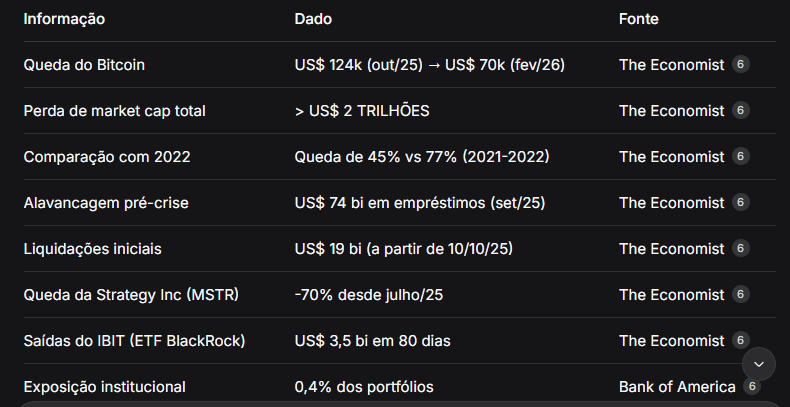
After thorough investigation of the original source and its repercussions, I can confirm that the Buttonwood column article presents concrete and verifiable data:
📋 2. THE CENTRAL THESIS OF THE ECONOMIST: THE HARSHER WINTER
The Buttonwood article is not just another account of falling prices. It is a psychological dissection of a market that has lost its soul.
2.1. The Paradox of Numbers
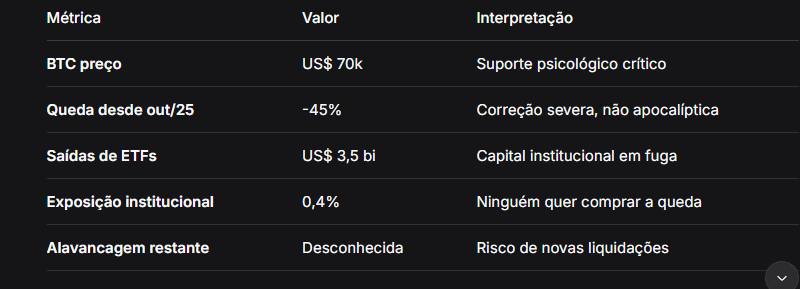
Here is the most intriguing data from the analysis: the current decline (45%) is less than that of 2021-2022 (77%). The market has already suffered much worse losses in percentage terms. So why "the harshest winter of all time"?
The Economist's response is simple and devastating: loneliness.
"In 2022, crypto investors could console themselves with the fact that many others were also suffering losses. That year, the NASDAQ 100 fell by more than a third. Now, the index is less than 4% from its all-time high. Crypto fans are sad because they are alone."
2.2. The Mechanism of Decline: Three Pillars
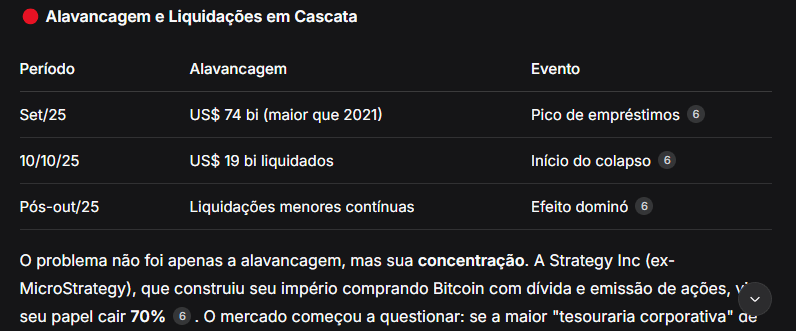
The article identifies three forces that transformed a normal correction into a "harsh winter":
🔴 The Boomerang Effect of ETFs
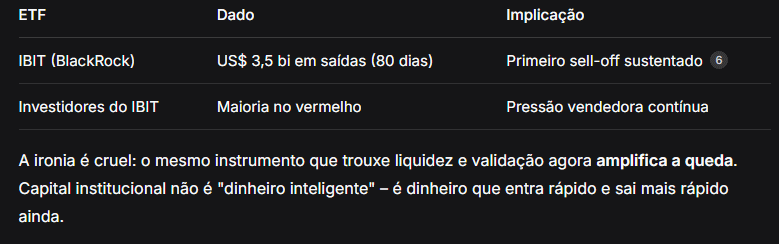
Spot Bitcoin ETFs, celebrated as the "institutional salvation" in 2024, have become vectors of decline.
🔴 The Death of the "Vibe" (The Intangible Factor)
This is the heart of The Economist's analysis. For an asset without cash flow, without dividends, without intrinsic value, the "aura" is everything.
"For a class of speculative assets, without fundamental value or income generation potential, the intangible aura is everything. And the aura of enthusiasm that once surrounded digital assets seems to have vanished."
Why did the vibe die?
Institutionalization killed the rebellion: Charles Hoskinson (co-founder of Ethereum) delivered the phrase of the year: "We basically became part of the system. And you know what the system does when you become part of it? It makes things dull."
The US president turned "crypto insider": If the president's family is "up to their necks" in crypto, where is the rebellion?
Disguised institutional rejection: The worst of all worlds. The sector lost its "cool rebellion" without gaining acceptance from the "serious system". Bank of America's research shows the truth: 0.4% exposure in institutional portfolios. No one wants it.
2.3. The Painful Contrast with Gold
While Bitcoin withers, central banks buy gold:
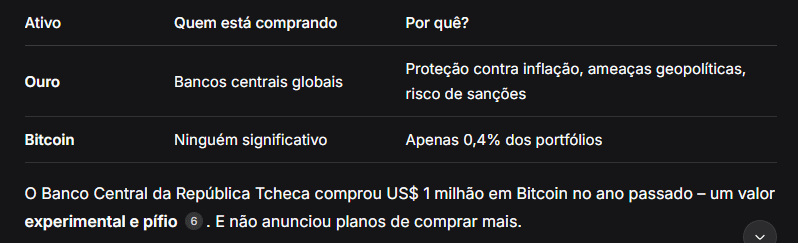
"The digital assets that once promised an alternative to 'fiat money' have been left out in the cold."
📉 3. THE BITHUMB CASE: THE MERCY STRIKE ON TRUST
Alongside the macro analysis from The Economist, an event in South Korea deepens the crisis of trust: the episode of Bithumb's "ghost coin".
3.1. What Happened
Bithumb, one of the largest exchanges in South Korea, allegedly recorded nonexistent assets in its internal books – the so-called "ghost coins". Whether due to operational error or systemic failure, the episode exposed serious weaknesses in internal controls.
3.2. Why This Matters Now
In a market already weakened by the loss of "vibe" and by the liquidation of leverage, a scandal of trust is the worst poison.
"Blockchain technology emphasizes distributed verification. Centralized exchanges, on the other hand, rely on internal accounting systems and corporate oversight. Between decentralization in principle and centralized custody in practice lies a dependence on trust."
In traditional finance, discrepancies like this would immediately trigger:
External audits
Asset segregation
Regulatory reports
Capital requirements
In the crypto market, the reaction is... silence. And silence erodes trust faster than any negative news.
🧠 4. WHAT THIS MEANS: AN IDENTITY CRISIS
The current winter is not just about prices. It is about identity.
4.1. The Economist's Thesis: "The Collapse of the Narrative"
"Bitcoin, once seen as a symbol of decentralization and challenge, now occupies an ambiguous position. Its image as an outsider has faded, but it has not yet fully gained the trust of central banks or conservative institutional investors. The aura has dimmed, but stability has not taken its place."
This is the crux of the matter. The crypto market is stuck in an existential limbo:
It is no longer "rebellious" enough to attract young idealists
It is not "serious" enough to attract institutional capital
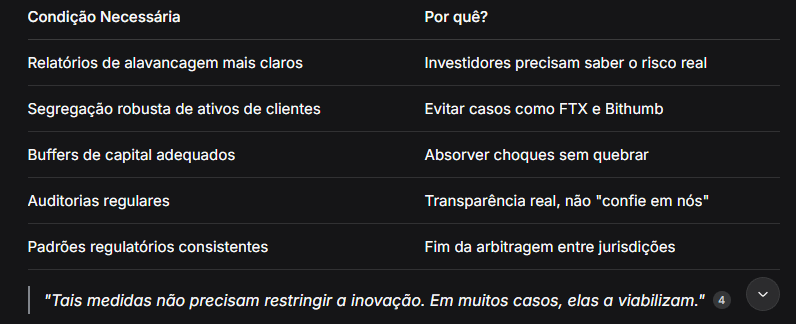
4.2. What Would Be Needed to Get Out of This?
The Korean article points the way:
4.3. The Future: Recovery or Stagnation?
The Economist does not bury the sector. On the contrary, it recognizes its resilience:
"Digital assets have proven to be much more resilient than many financial columnists – always eager to write their obituaries – suspected. Despite one bear market after another, they have always defied predictions of total collapse."
But the final warning is clear:
"But there are good reasons for this crypto winter to seem exceptionally bitter. Unless the vibe improves, don't expect a thaw."
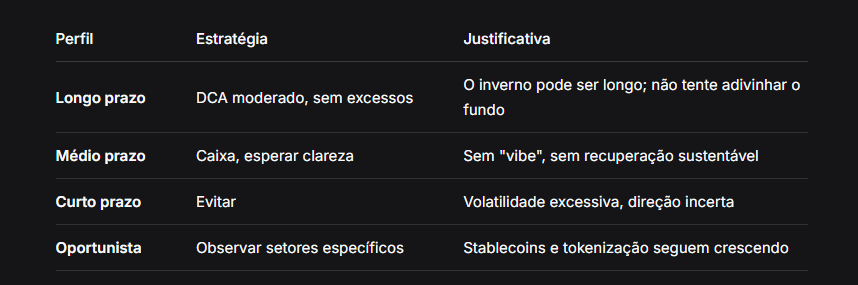
📈 5. WHAT THIS MEANS FOR INVESTORS
5.1. The Reality of Numbers
5.2. Strategy for Different Profiles
5.3. The Signs to Watch For
Stabilization of ETF Outflows – If IBIT Stops Bleeding
Positioning of Strategy Inc – If you sell BTC, prepare for the worst
New Brokerage Scandals – Bithumb May Not Be the Last
Change in the "vibe" – Hard to quantify, but easy to feel
⚠️ DISCLAIMER
This analysis is based on publicly available sources of high credibility (The Economist, Bank of America, market data) and is for informational and educational purposes. It does not constitute investment advice. The cryptocurrency market involves significant risks. Do your own research (DYOR) before making any financial decision.
Analysis generated on: February 18, 2026, 01:30 UTC
Analyst: Cryptocurrency specialist assistant
#TheEconomist #InvernoCripto #Bitcoin #CriseDeVibe #BinanceSquare