
Something interesting is happening in the digital space and it feels like the beginning of a new chapter. For a long time the internet has been shaped by platforms that collect store and control user data while offering convenience in return. People signed up shared their information and trusted companies to handle everything behind the scenes. It worked but it also created a system where users had very little control over their own identity. Now that awareness is growing and more people are starting to question that model. They want ownership they want privacy and they want freedom. This is where the idea of digital sovereignty starts to make real sense and Sign is stepping forward with a vision that fits perfectly into this shift.
Sign is not just another project trying to ride the Web3 narrative. It is focused on solving a core problem that has existed for years. Instead of relying on centralized systems that act as gatekeepers Sign is building infrastructure where users can take full control of their digital identity. This changes how people interact with technology because it removes the need to trust a single platform with sensitive information. It gives users the ability to decide what they share and how they engage online.
The SIGN ecosystem is where this vision becomes practical. It creates a decentralized environment where identity assets and interactions can exist without dependence on centralized platforms. Users can verify themselves and participate in digital systems without exposing unnecessary details. This approach makes the experience both secure and efficient which is something traditional systems struggle to achieve.
Identity is one of the most important elements of the internet and also one of the most vulnerable. Today identity is scattered across different platforms and services. Users create multiple accounts and repeatedly share personal data which increases the risk of breaches and misuse. Sign addresses this challenge by providing a unified approach where identity can be managed in a more secure and streamlined way. It allows individuals to prove who they are without revealing everything about themselves.
This concept has strong real world implications. In finance identity verification is essential but it often comes with privacy tradeoffs. With Sign users can interact with decentralized financial systems while maintaining control over their data. In social platforms identity ownership can help reduce fake accounts and improve trust while still protecting privacy. In enterprise environments secure identity solutions can improve efficiency and reduce reliance on outdated centralized systems.
Another powerful aspect of Sign is its ability to create trust without intermediaries. Traditional systems rely on centralized institutions to verify information and manage interactions. While effective this model introduces points of control and potential failure. Sign uses decentralized technology to establish trust through verifiable data and secure validation processes. This allows users to interact directly without depending on a central authority.
The growth of the SIGN ecosystem reflects a broader change in user behavior. People are becoming more aware of how their data is used and they are demanding systems that respect their rights. Sign aligns with this demand by offering a framework where users are not just participants but true owners of their digital identity. This shift is important because it moves the internet toward a more balanced and user focused structure.
For developers Sign opens up new possibilities. Instead of building applications that collect and store user data they can design systems where individuals manage their own information. This leads to applications that are more secure and resilient because they reduce the risks associated with centralized storage. It also encourages innovation by allowing developers to explore new ideas that were previously limited by traditional architectures.
The community around Sign is also playing a major role in its development. Builders creators and users are coming together around the shared vision of digital sovereignty and long term value. The focus is on real use cases practical solutions and sustainable growth. This collaborative environment helps push the project forward and creates a strong foundation for the future.
As the Web3 space continues to evolve projects that address fundamental challenges will stand out the most. Digital sovereignty is one of those challenges because it impacts every aspect of online interaction. From identity and finance to communication and governance the need for user control is becoming increasingly important. Sign is positioning itself at the center of this transformation by building infrastructure that supports this new way of thinking.
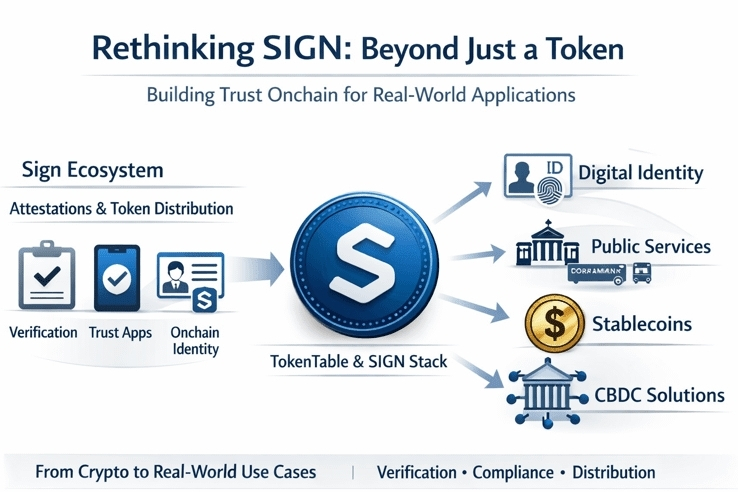
The SIGN token represents participation in this growing ecosystem. It connects individuals who believe in a more decentralized and user controlled internet. It is not just about transferring value but about contributing to a system that prioritizes ownership independence and security. This perspective shifts the focus from short term speculation to long term impact.
Looking ahead the potential impact of Sign is significant. As more applications adopt decentralized identity solutions the reliance on traditional systems may begin to decrease. Users will gain greater control over their data and interactions creating a more balanced digital environment. This shift will not happen overnight but the direction is clear.
There is also a cultural dimension to this movement. As awareness around data privacy continues to grow people are changing their expectations. They want platforms that respect their privacy and provide transparency in how information is handled. Sign fits naturally into this evolving mindset by offering a solution that aligns with these values.
The journey toward digital sovereignty is still in its early stages but the momentum is building. Users want control developers want better tools and the industry is searching for sustainable solutions. Sign brings these elements together in a way that feels both practical and forward thinking.
In the end Sign represents more than just a technology project. It represents a shift in how we think about ownership identity and trust in the digital world. It challenges existing systems and offers a new perspective where users are in control of their own digital presence.
As this vision continues to develop Sign is likely to play a key role in shaping the future of Web3. By focusing on digital sovereignty it addresses one of the most important needs of the modern internet. A need for systems that empower individuals protect their data and create a more secure and fair digital ecosystem for everyone @SignOfficial #SignDigitalSovereignInfra