
I will be honest at first I did not think much of Sign Protocol
It sounded like one of those typical Web3 tools
Digital signing attestations verification
Nothing really new
But the more I spent time reading different discussions on Binance Square and trying to understand what it is actually doing something just clicked
It Is Not About Signing It Is About Trust
We use the internet every day without even thinking about it
We connect wallets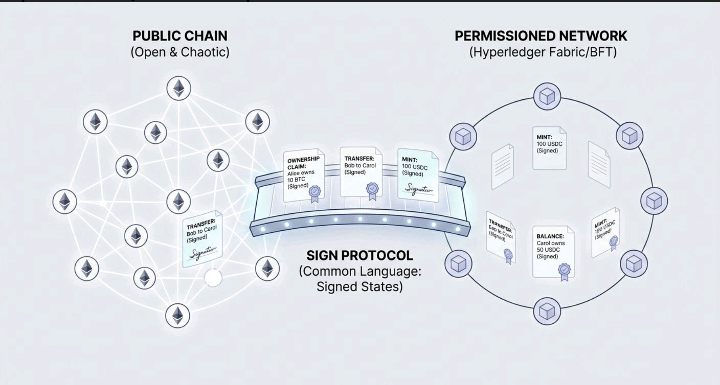
We sign messages
We claim rewards
We prove ownership of things
But if you slow down and think about it all of this depends on one thing
Trust
Not emotional trust but technical trust
How does a system know
you own something
you are eligible
you actually did something
Most of the time we just trust the platform
And that is where the problem starts
Everything Online Is Just A Claim
One idea that really stayed with me is this
The internet runs on claims
I own this wallet
I qualify for this airdrop
I signed this agreement
But a claim by itself does not mean anything
It needs proof
Right now that proof is usually
controlled by platforms
stored in databases
or shown through screenshots
And honestly none of that feels reliable
What Sign Protocol Does In Simple Words
Sign Protocol changes this approach
Instead of saying trust me
It says here is proof you can verify it yourself
That proof is called an attestation
It is simply
a statement
signed using cryptography
stored in a way others can check
And the most important part is this
You do not need to trust the person or the platform
You just verify the proof
Why It Feels Different
At first it still sounds simple
But when you sit with it for a moment it starts to feel much bigger
Because this is not just about signing documents
It is about building a system where
identity can be proven
actions can be verified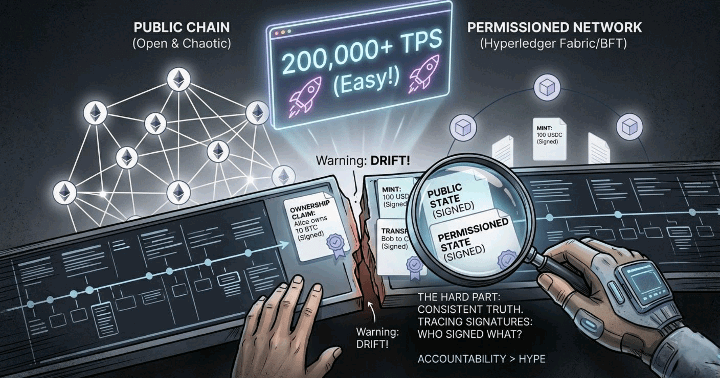
rights can be confirmed
Without needing a middleman
The Structure Is Actually Simple
Once you remove the technical noise it becomes very easy to understand
There are three main parts
Schemas which are just templates that define what you are proving
Attestations which are the actual signed proofs
Storage which is where those proofs live either on chain or off chain
That is really it
Nothing complicated once you break it down
It Works Across Chains
Another thing that stood out is that Sign Protocol is not tied to one blockchain
And that matters more than it seems
Right now everything is fragmented
Different chains different systems different rules
If a proof only works in one place it loses value
Sign Protocol is trying to make proofs portable so they can move across different ecosystems
Where It Is Already Being Used
This is not just an idea it is already being used
Things like
airdrop eligibility
token distribution
identity verification
on chain agreements
All of these need one thing
Proof
The Bigger Picture
The more I thought about it the more it became clear
Sign Protocol is not really a product
It is infrastructure
The kind of system that sits quietly in the background and powers everything
If it grows the way it is intended to it could become part of
digital identity systems
financial systems
governance systems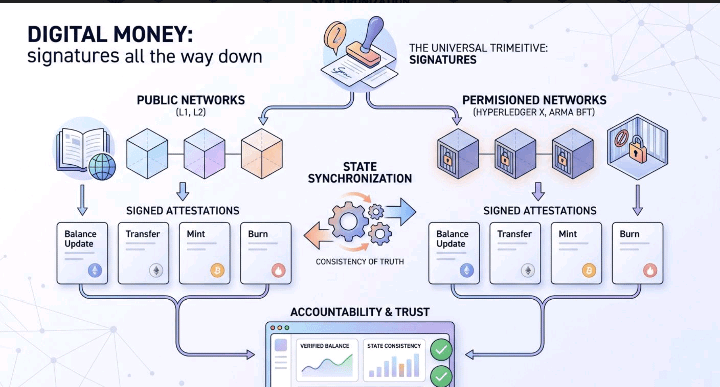
Anywhere proof and verification are important
The Token Is Not The Main Story
Yes there is a SIGN token
It is used for fees incentives and governance
But that is not the interesting part
The real value is the system itself
It Is Not Perfect
Like anything early it has challenges
It needs more adoption
people need to understand it better
there is competition
And like any infrastructure it only matters if people actually use it
Final Thought
After going through everything this is the simplest way to describe it
Sign Protocol takes trust and turns it into something you can verify
Not something you have to believe
And if that idea really takes off a lot of things online
identity ownership eligibility
start to become much simpler
@SignOfficial #SignDesignSovereignInfra $SIGN
