

I wasn’t planning to dive into another crypto project. Honestly, I’ve reached that point where everything starts to blur together. New tokens, new platforms, new promises. It all sounds exciting at first, but after a while, it just feels like noise. Still, one night while scrolling, I came across SIGN, and something about it made me pause. I didn’t fully understand it at first, but it felt different enough for me to look a little deeper.
The deeper I went, the more I realized my frustration with crypto isn’t just about markets or volatility. It’s the experience. Every simple action somehow turns into a process. I have to connect a wallet, switch networks, verify something on another platform, then come back and hope nothing failed in between. I’ve gotten used to it, but that doesn’t mean it makes sense. It still feels unnecessarily complicated.
That’s where SIGN started to click for me.
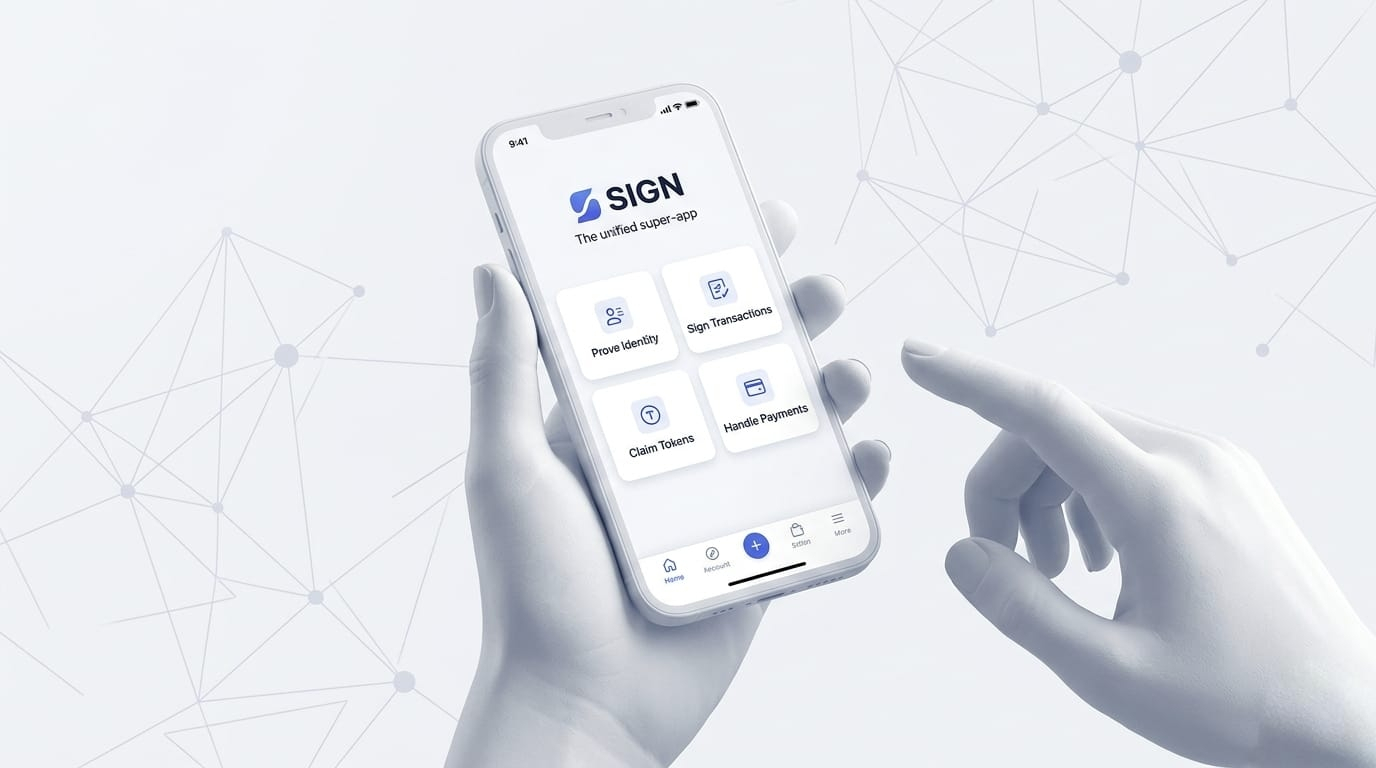
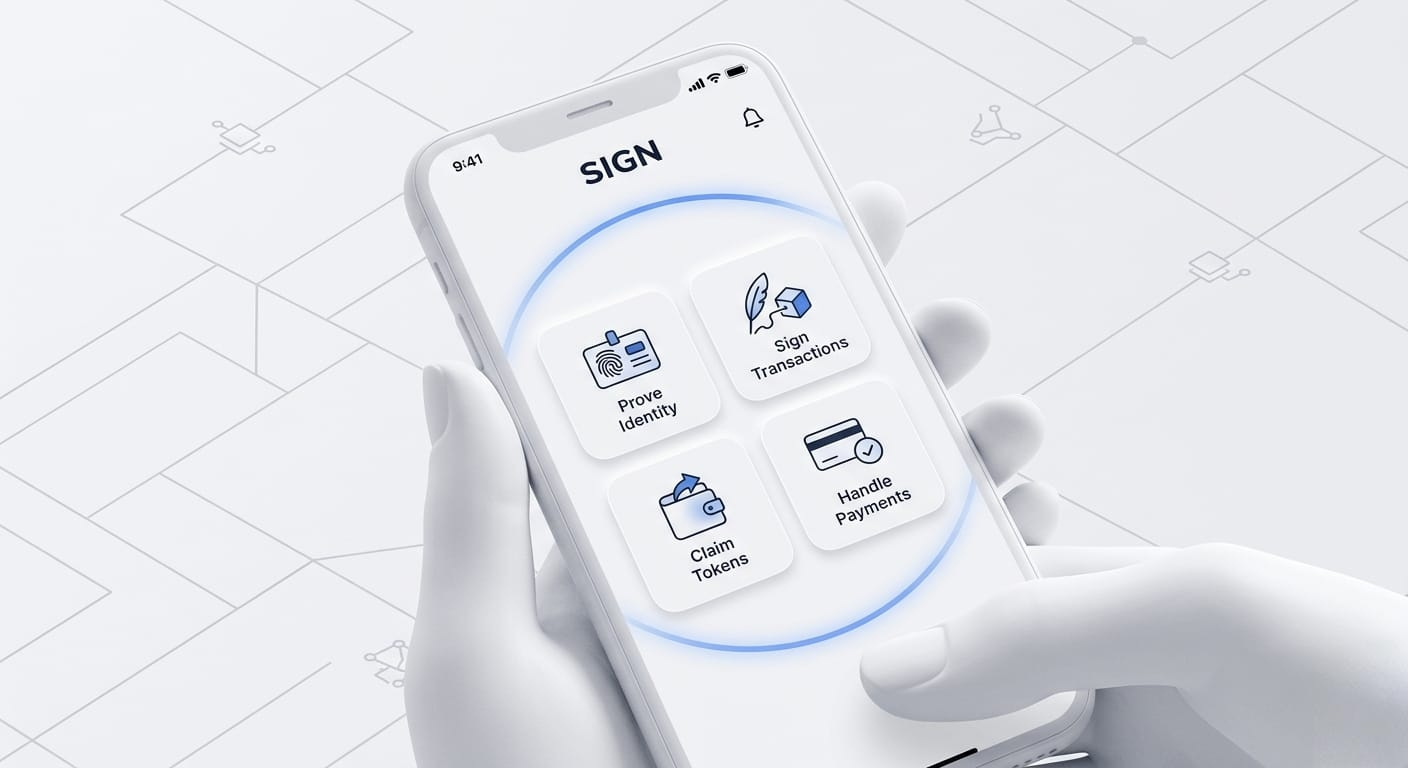
From what I’ve seen, the whole idea revolves around simplifying how we interact with blockchain. Not by removing features, but by bringing them together. The “SuperApp” concept is something I’ve heard before, and usually I ignore it because it ends up being just a crowded interface. But this time, I actually stopped and thought about it from my own perspective. What do I really want? I want one place where I can prove my identity, sign transactions, claim tokens, and maybe even handle payments without jumping between apps.
SIGN seems to be trying to build exactly that. A single environment where everything just works together. And I’ll admit, that idea alone got my attention more than any hype ever could.
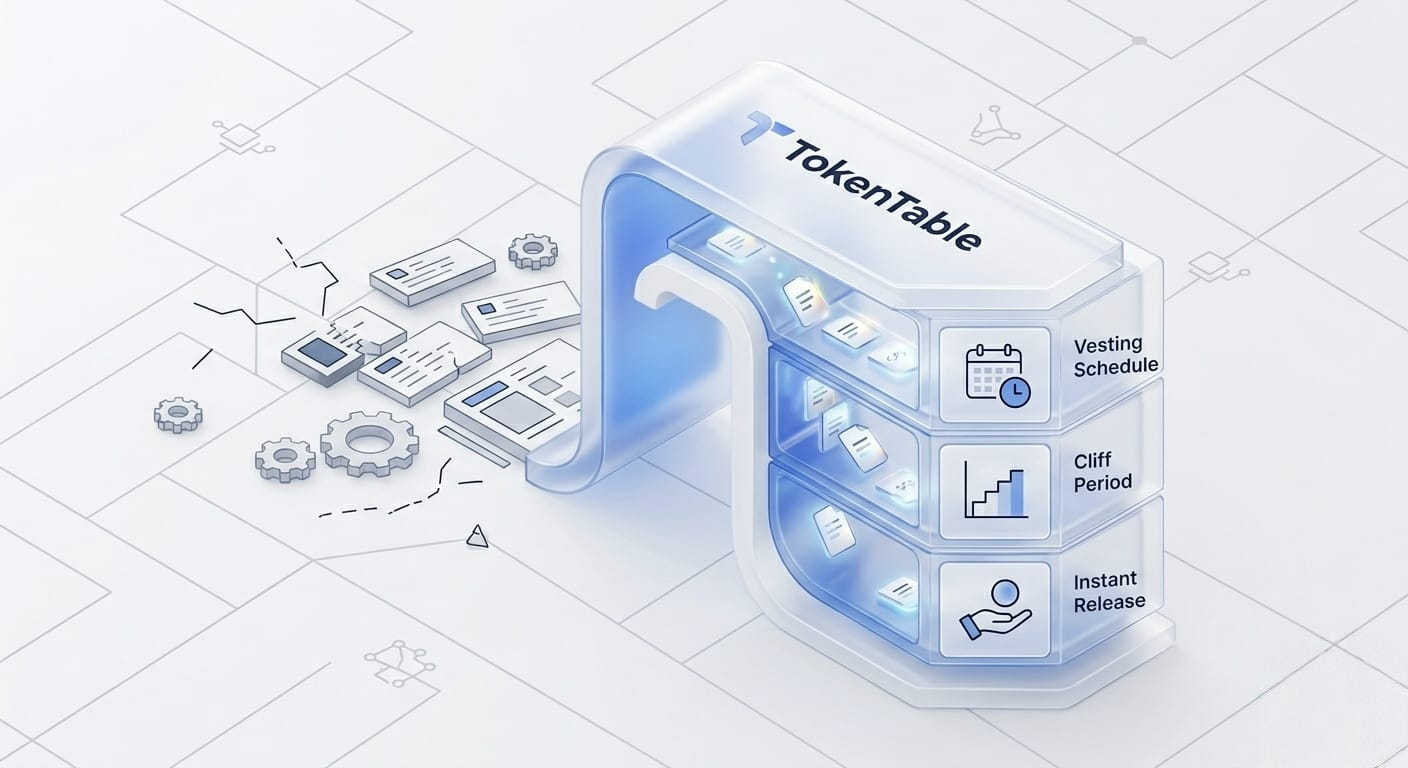
Then I looked into something called TokenTable, and this is where things got more real for me. Token distribution has always been one of those behind-the-scenes problems that nobody talks about openly. But I’ve seen projects struggle with it. Delayed airdrops, confusing vesting schedules, manual fixes when contracts don’t behave as expected. It’s messy, and sometimes it creates more distrust than transparency.
TokenTable feels like a proper system for handling all of that. It allows structured distribution, whether tokens are released instantly, over time, or based on certain conditions. It even includes controls for unexpected situations. To me, that’s not just a feature. That’s something that could make projects more reliable and easier to manage.
At that point, I started to see a pattern. SIGN isn’t trying to impress with flashy ideas. It’s trying to fix the parts of crypto that quietly cause the most friction.
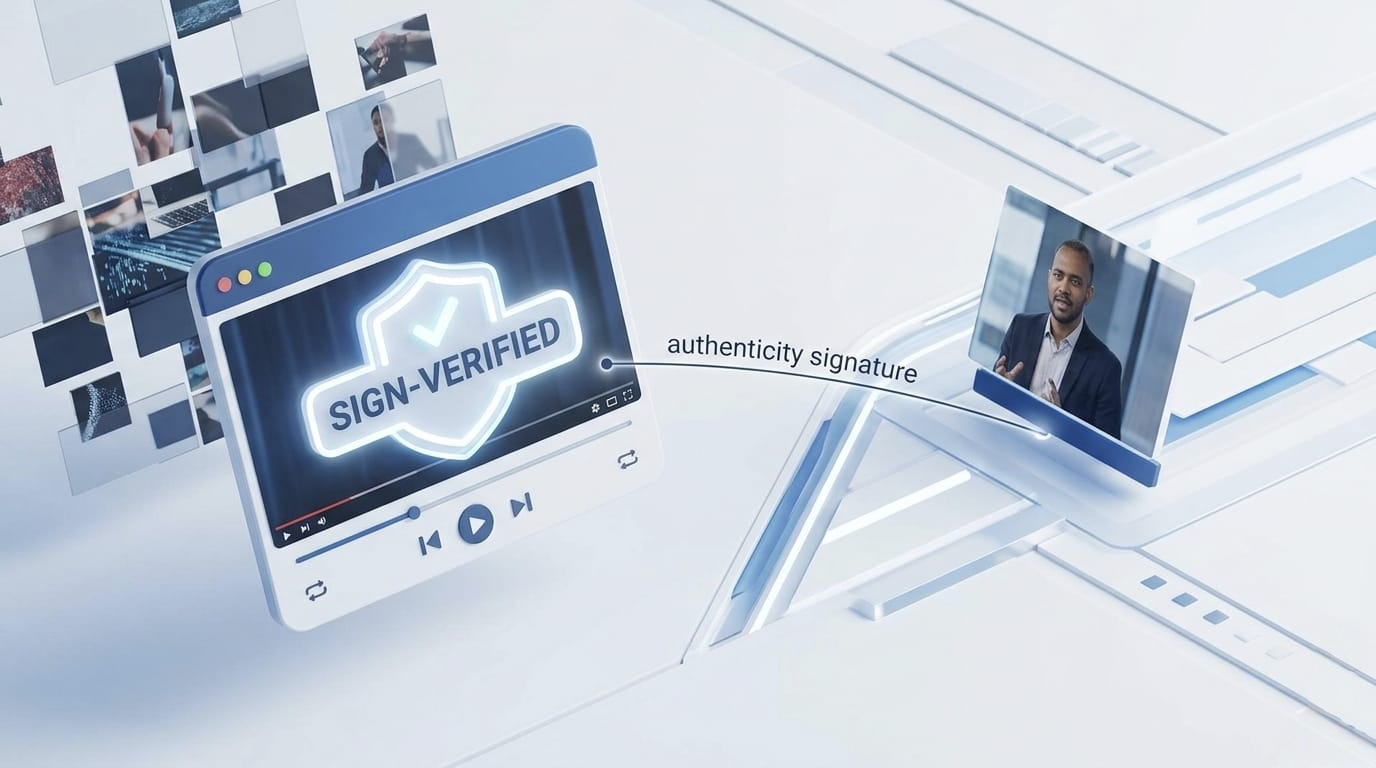
Then I came across their Media Network, and I’ll be honest, I didn’t get it at first. It felt unrelated. Why would a project focused on identity and infrastructure care about media? But then I thought about how much content I see every day that I can’t fully trust. AI-generated voices, edited videos, manipulated clips. It’s becoming harder to tell what’s real.
That’s when it started to make sense. If SIGN can attach proof of authenticity to content, like a digital signature that verifies origin and ownership, it could solve a problem that goes beyond crypto. It could help restore some level of trust online. And right now, that feels more important than ever.
On the technical side, I spent some time trying to understand delegated attestation. It sounded complicated at first, but once I broke it down, it actually felt practical. Instead of every node handling everything independently, SIGN takes on the role of signing on their behalf. That reduces complexity and potentially improves efficiency.
From my perspective as someone who watches markets closely, I appreciate anything that reduces friction. Systems tend to break when they’re overloaded or overly complex, especially during high activity. Simpler structures often hold up better under pressure. And in crypto, pressure is guaranteed.
But I don’t take things at face value anymore. I’ve seen too many projects look perfect until something goes wrong. That’s when the real test begins. I find myself asking questions like who holds the trust in this system, how failures are handled, and what happens when unexpected scenarios hit.
SIGN sounds promising, but I’m still cautious. Delegating responsibility always introduces new risks, even if it improves usability. I’d want to see strong audits, clear transparency, and real-world performance before placing full confidence in it.
That said, I can’t ignore the direction it’s heading.
It feels like someone finally stepped back and asked why the crypto experience is still so fragmented. Instead of building another isolated tool, SIGN is trying to connect identity, transactions, token distribution, and even media verification into one ecosystem. That’s not easy. In fact, it might be one of the hardest things to pull off.
There’s also the reality of adoption. Building something functional is one thing. Getting people to actually use it is another. And if SIGN is aiming to work with larger systems or even governments, the challenges grow even bigger. Regulations, scalability, security, all of it becomes more demanding.
Still, I respect the attempt. Because if it works, it changes how people interact with blockchain entirely. It stops feeling like a complicated system you have to learn and starts feeling like something natural you just use.
And maybe that’s what I’ve been waiting for without realizing it.
So now I’m watching closely. Not rushing in, not dismissing it either. Just paying attention to how it evolves, how it handles pressure, and how it proves itself over time.
Because at the end of the day, I keep coming back to one thought… is SIGN actually building something that will quietly become part of everyday life, or is it just another ambitious idea that sounds right until reality tests it?
