Fundamental Analysis of the ROBO Cryptocurrency
Introduction
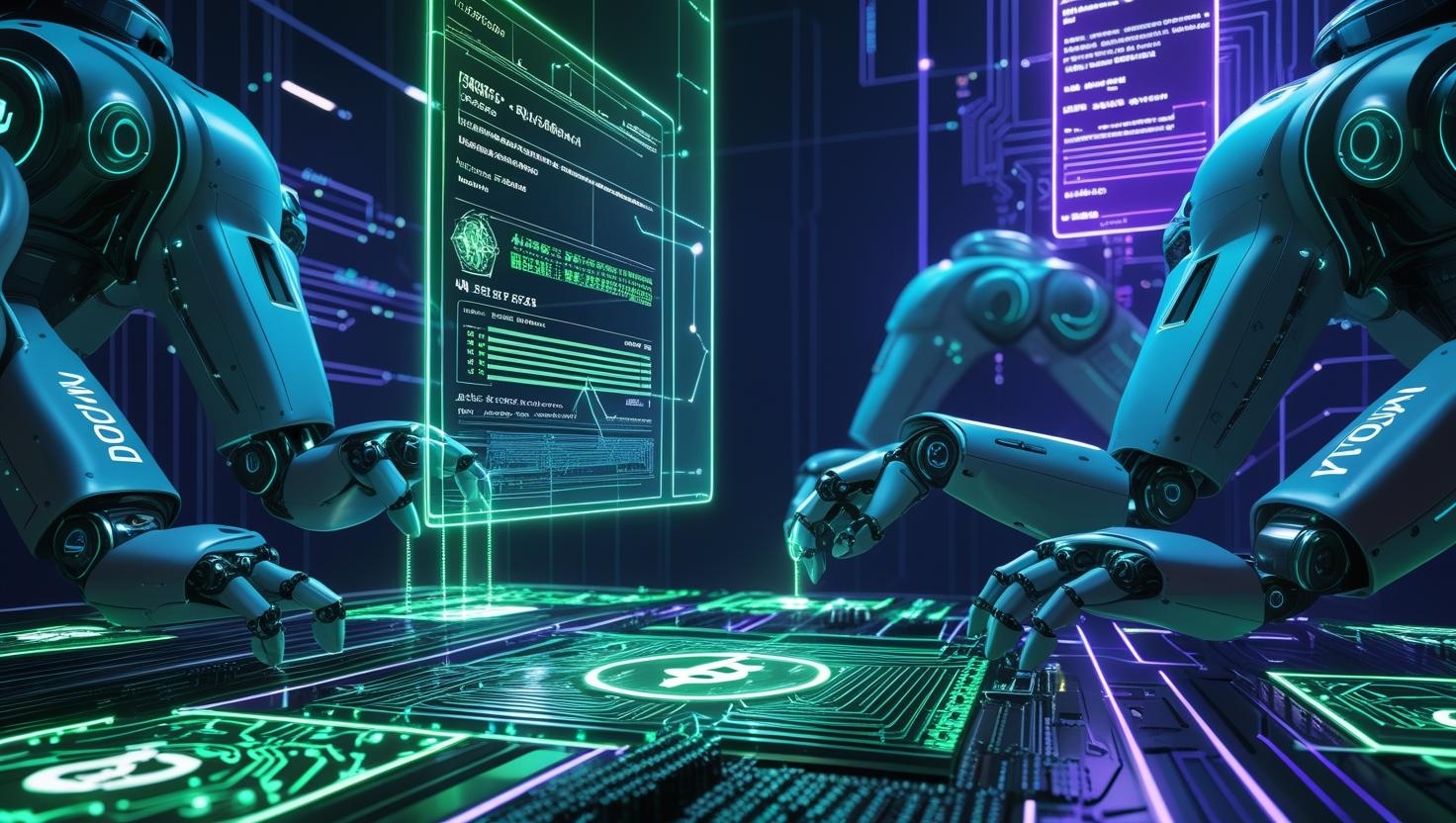
The convergence of artificial intelligence, robotics, and blockchain technology is rapidly becoming one of the most discussed technological trends of the decade. Among the emerging projects attempting to build infrastructure for this new machine-driven economy is $ROBO cryptocurrency, a blockchain token designed to support a decentralized robotics ecosystem. The core vision of @Fabric Foundation is to create a “Robot Economy” where intelligent machines, developers, and humans can interact through decentralized infrastructure powered by blockchain.
@ROBO functions as the native utility and governance token of its ecosystem. It facilitates value exchange, governance participation, and incentive distribution among network participants. By combining distributed computing, AI-driven robotics, and blockchain transparency, the project aims to enable a collaborative technological network that supports robotic data sharing, machine coordination, and automated service payments.
Core Technology and Utility
At the fundamental level, ROBO is built around the idea that robots and AI systems will eventually operate autonomously within digital economic systems. In such an environment, machines must be able to verify identities, execute tasks, and receive compensation. The ROBO token helps facilitate these processes by acting as a decentralized economic layer for machine operations.
The token serves several key functions within the ecosystem. First, it acts as a medium of exchange, allowing transactions related to robotic data trading, computing power leasing, and technology licensing to occur within the network. Second, it enables ecosystem governance, where token holders participate in decisions regarding protocol upgrades, incentive structures, and strategic development directions. Third, ROBO provides staking and incentive mechanisms, rewarding participants who contribute computing power, robotics data, or technological development resources to the network.
By integrating these components, the project seeks to create a collaborative infrastructure for robotics companies, developers, research institutions, and service providers.
Recent Developments
One of the most notable recent developments for the ROBO ecosystem occurred in February 2026, when the token officially launched on major cryptocurrency exchanges. Listings on platforms such as Coinbase, Crypto.com, and Bitrue significantly increased the project's visibility and accessibility to investors and developers worldwide. These listings also helped boost liquidity and market participation shortly after launch.
Following the exchange debut, ROBO experienced strong initial trading demand and reached an all-time high price shortly after listing, reflecting heightened investor interest in the emerging AI-robotics crypto narrative.
Another important milestone was the introduction of the ROBO token airdrop portal, which distributed tokens to early community participants. The purpose of the airdrop was to decentralize ownership and encourage wider participation in the ecosystem. This strategy is common among blockchain projects seeking to establish strong community governance and engagement.
Furthermore, ROBO’s inclusion in the Coinbase listing roadmap was interpreted by analysts as a positive indicator of institutional interest in projects related to robotics and artificial intelligence.
Ecosystem Vision
The long-term vision of the ROBO project is to build a global decentralized robotics infrastructure. In this model, robots are not isolated machines but participants in an economic network where they can share data, computing resources, and task execution capabilities.
For example, a logistics robot operating in a warehouse could upload operational data to the blockchain. Developers and AI researchers could then access this data to train machine learning models, paying for the data using ROBO tokens. Similarly, companies needing robotic services could rent computing power or robotic capabilities through decentralized smart contracts.
This concept aligns with broader research exploring decentralized autonomous organizations (DAOs) for robotics, where machines can autonomously perform tasks and receive on-chain payments for their work.
Roadmap and Future Plans
The roadmap of the ROBO ecosystem outlines several phases aimed at gradually expanding the project's technological infrastructure and real-world adoption.
Phase 1 (2026 – Ecosystem Launch)
The initial phase focuses on establishing the blockchain infrastructure, including the main network and multiple sidechains. During this period, the project plans to launch the token, integrate robot data standardization tools, and implement early computing-power leasing systems. Partnerships with robotics companies and equipment operators are also expected to begin during this stage.
Phase 2 (Expansion Phase)
Although not fully detailed publicly, the expansion phase is expected to focus on scaling partnerships, expanding cross-chain interoperability, and increasing the number of robotics use cases across industries such as logistics, manufacturing, and research.
Phase 3 (2028 and Beyond – Ecosystem Maturity)
The long-term vision aims to connect over one million robotic devices worldwide into the network. At this stage, the project hopes to integrate robotics with other emerging technologies including the Internet of Things (IoT), the metaverse, and artificial intelligence applications, creating a fully autonomous machine economy governed by decentralized systems.
Risks and Challenges
Despite its ambitious vision, the ROBO ecosystem faces several risks. Regulatory uncertainty around AI and blockchain integration could impact adoption. Additionally, the complexity of building a decentralized robotics infrastructure means that technical execution will be critical to the project's success. Market volatility and competition from other AI-focused blockchain projects also remain significant challenges.
Conclusion
ROBO cryptocurrency represents a bold attempt to build the financial infrastructure of a machine-driven economy. By combining robotics, artificial intelligence, and blockchain technology, the project aims to enable decentralized collaboration between humans and intelligent machines. Recent exchange listings, token distribution initiatives, and ecosystem development efforts indicate early momentum.
However, like many emerging crypto projects, its long-term success will depend on real-world adoption, strong partnerships, and technological execution. If the team can deliver on its roadmap and attract developers and robotics companies, ROBO could potentially play a meaningful role in the evolving intersection of AI, robotics, and decentralized finance.